
7 Mistakes You’re Making with Mid-Summer Soil Health (And How to Fix Them)
As the calendar turns to late July, the horticultural environment reaches a critical physiological threshold. In many regions, high ambient temperatures combined with increased solar radiation create a high-stress environment for both vascular plants and the subterranean biological networks that support them.
Maintaining soil health during the "dog days" of summer requires more than just increased hydration. In fact, many common interventions intended to help plants survive the heat can inadvertently degrade the soil structure, deplete mineral reserves, and decimate beneficial microbial populations.
To ensure your garden remains productive through the harvest season, it is essential to identify and correct these seven common mid-summer soil management mistakes.
1. Over-Watering with Untreated Tap Water
In the peak of July, the rate of evapotranspiration: the process by which water is transferred from the land to the atmosphere by evaporation from the soil and by transpiration from plants: is at its zenith. The logical response is to increase watering frequency. However, using untreated municipal tap water introduces significant biological stressors.
Most municipal water systems utilize chlorine or chloramines to eliminate pathogens. While effective for public safety, these oxidizing agents are non-discriminatory; they also neutralize the beneficial bacteria and fungi in your soil. Furthermore, tap water often contains dissolved solids, fluoride, and heavy metals that can accumulate in the rhizosphere, leading to chemical imbalances.
The Fix: Treat your irrigation water with a mineral-based purifier. Drops of Balance utilizes a concentrated sulfate-based mineral solution that causes contaminants to precipitate out of the water, effectively neutralizing harmful chemicals while introducing essential trace elements. This ensures that your attempt to hydrate the soil doesn't simultaneously "sterilize" its living components.
2. Leaving Soil Surfaces Exposed (Thermal Stress)
Bare soil is a liability in mid-summer. When soil is exposed to direct ultraviolet radiation, the surface temperature can exceed the ambient air temperature by 20°F or more. This extreme heat leads to "soil baking," which destroys the delicate structure of the topsoil and creates a hydrophobic layer that repels water.
High soil temperatures also inhibit microbial activity. Most beneficial soil organisms thrive between 60°F and 80°F; once temperatures exceed 90°F, microbial metabolic processes slow down, and many species may enter a dormant state or die off.
The Fix: Maintain a dense layer of organic mulch or use high-quality soil conditioners. Products like PittMoss can help improve water retention and provide a thermal buffer for the soil surface, keeping the root zone significantly cooler and protecting the microbiome.
3. Over-Fertilizing with Synthetic Salts
Many gardeners notice a mid-summer slowdown in plant growth and conclude that the soil is nutrient-deficient. Applying high-salt synthetic fertilizers during a heatwave is a recipe for physiological disaster.
Synthetic fertilizers are typically composed of concentrated mineral salts. When soil moisture is low, the concentration of these salts in the soil solution increases, creating high osmotic pressure. This can actually draw water out of the plant roots: a process known as fertilizer burn or physiological drought.
The Fix: Shift focus from "feeding the plant" to "building the soil." Use organic matter and mineral concentrates that provide slow-release nutrition without the high salt index. If the plant requires a boost, prioritize trace minerals rather than N-P-K (Nitrogen, Phosphorus, Potassium) macros.
4. Ignoring the Invisible Laborers: The Microbiome
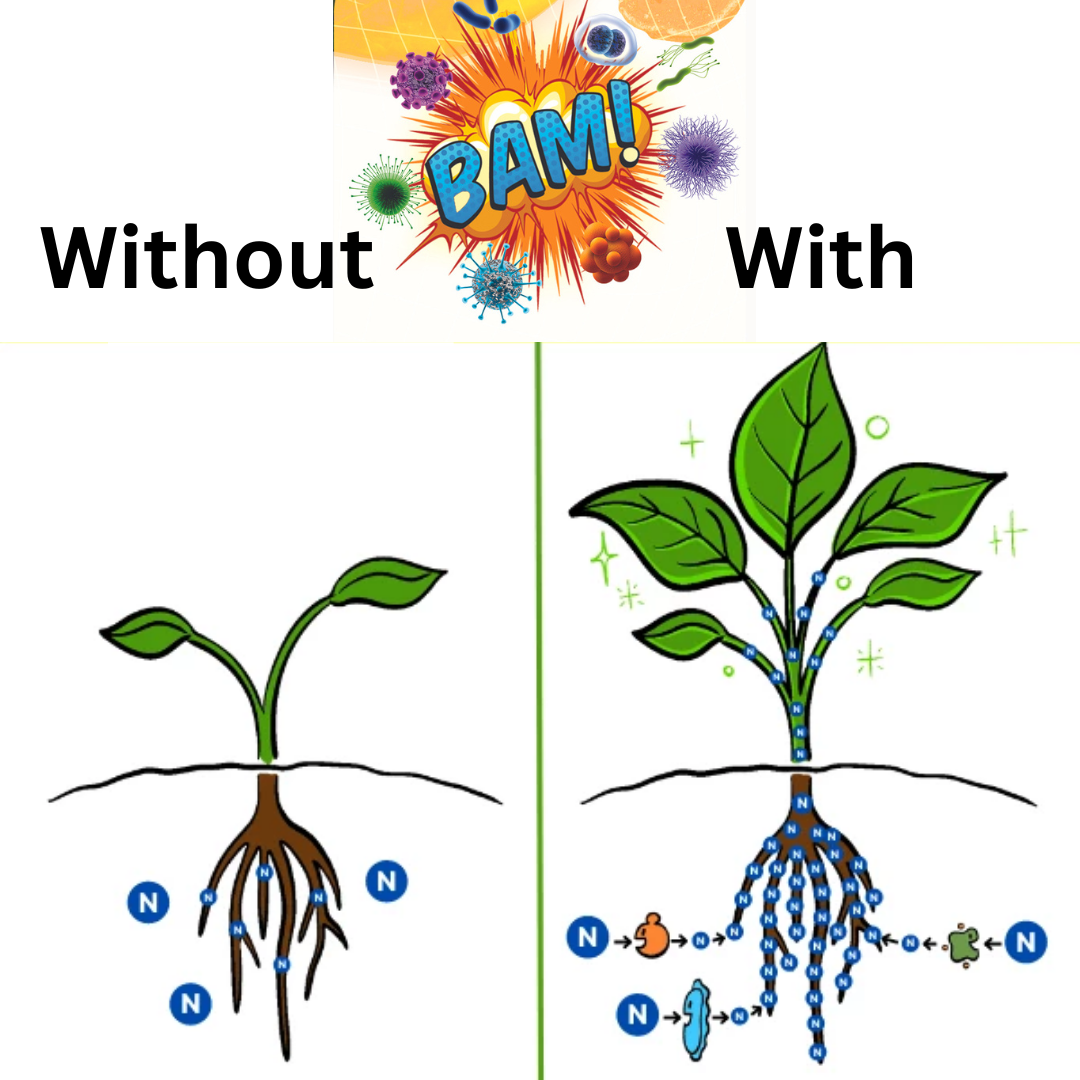
Soil is not merely a medium for roots; it is a living biological reactor. The symbiotic relationship between plants and microbes: specifically mycorrhizal fungi and rhizobacteria: is what allows for efficient nutrient uptake. In mid-summer, these populations often crash due to heat stress, erratic moisture levels, and the cumulative effects of tap water chemicals.
When microbial activity declines, the "bridge" between the soil minerals and the plant roots is broken. This leads to nutrient lockout, where minerals are present in the soil but remain in a form the plant cannot absorb.
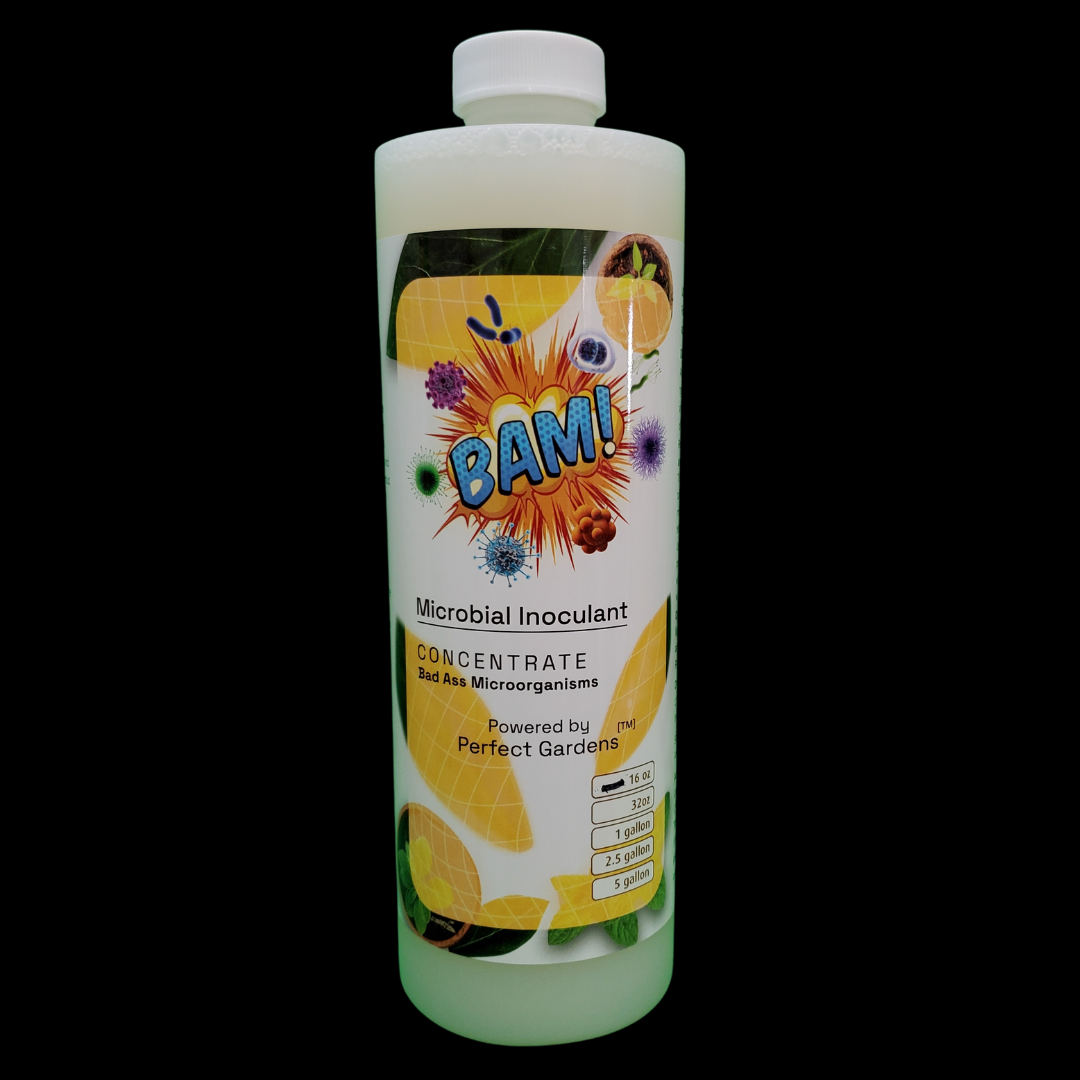
The Fix: Re-inoculate the soil with beneficial microbes. BAM! (Beneficial Ancient Microorganisms) is a microbial inoculant concentrate designed to restore these biological networks. By introducing a diverse array of microbes, you enhance the soil’s ability to process nutrients and improve the plant's systemic resistance to environmental stress.
5. High-Nitrogen Applications During Fruiting Stages
By late July, most fruiting crops (such as tomatoes, peppers, and squash) have transitioned from their vegetative growth phase to their reproductive phase. Applying high-nitrogen fertilizers at this stage is a common mistake.
Excess nitrogen encourages rapid, succulent vegetative growth. In the heat of summer, this new growth is highly susceptible to wilting and becomes a primary target for sap-sucking insects like aphids. Furthermore, excessive nitrogen can inhibit fruit development and lead to disorders like blossom end rot by interfering with calcium uptake.
The Fix: Use a balanced approach to nutrition. Focus on mineral supplements that provide the catalysts for fruit production rather than leafy growth. Mineral concentrates provide the broad spectrum of elements necessary for late-season resilience without the risks of nitrogen toxicity.
6. Fertilizing Bone-Dry Soil
Applying any form of fertilizer: even organic liquid feeds: to dehydrated soil is a major error. When a plant is under moisture stress, its stomata close to conserve water, and its metabolic rate drops. Introducing concentrated nutrients into this environment causes an immediate spike in the soil's electrical conductivity (EC), which can damage the fine root hairs responsible for water absorption.
The Fix: Always ensure the soil is thoroughly hydrated before applying any amendments. This dilutes the nutrients and allows them to move through the soil profile more evenly, ensuring the plant can absorb them through transpiration once the heat of the day subsides.
7. Neglecting Trace Mineral Balance
Most gardening protocols focus on the "Big Three" (N-P-K), but plants require dozens of trace minerals to complete their metabolic cycles. In the heat of mid-summer, these minerals act as "electrolytes" for the plant, assisting in enzyme production and maintaining cellular turgor.
According to Liebig's Law of the Minimum, plant growth is dictated not by total resources available, but by the scarcest resource (limiting factor). Often, a trace mineral deficiency: such as a lack of boron, zinc, or molybdenum: becomes the limiting factor that prevents the plant from thriving in the summer heat.
The Fix: Incorporate a full-spectrum mineral solution into your watering routine. Drops of Balance provides over 70 naturally occurring trace minerals in an ionic, bioavailable form. This supports the plant’s enzymatic functions and improves its ability to withstand thermal and oxidative stress.

Restoring Equilibrium: The Drops of Balance Approach
The key to navigating the challenges of mid-summer is to stop fighting against the environment and start supporting the soil's natural regulatory systems. Healthy soil is a self-buffering system, but it requires the right "ingredients" to maintain that equilibrium.
By combining mineral purification with microbial inoculation, you create a "closed-loop" system where:
- Water is purified: Toxins are removed before they reach the soil.
- Minerals are replenished: Trace elements are reintroduced to support complex plant chemistry.
- Biology is restored: Microbes are added to facilitate nutrient transport and soil aeration.
For those looking to streamline this process, the Complete Water and Soil Treatment Solutions Bundle offers a comprehensive toolkit to address all seven of these mistakes simultaneously.
Conclusion
Mid-summer does not have to be a season of decline for your garden. By moving away from high-salt synthetics and untreated water, and moving toward a mineralization and microbial-focused strategy, you can protect your soil health for years to come.
Remember: you aren't just growing plants; you are stewarding an ecosystem. When the soil is balanced, the plants don't just survive the summer: they thrive in it.
For more information on the science of mineral-rich water and soil health, visit our FAQ page or explore our full range of Safety Testing data.