
The Science of Mineralized Water: How Your Cells (and Plants) Absorb Better
When we talk about hydration, we usually think in terms of quantity: how many glasses of water we’ve finished or how many gallons we’ve dumped onto our garden beds. However, the true science of hydration isn't found in the volume of liquid; it is found at the cellular level. Whether you are looking at a human muscle cell or the root hair of a tomato plant, the mechanism of water transport depends entirely on one thing: dissolved minerals.
"Naked" water: water that has been stripped of its mineral content through reverse osmosis or distillation: or contaminated tap water filled with fluoride and chlorine, can actually hinder the hydration process. To understand why, we have to look at the biology of absorption and how mineralized water acts as the "key" to the cellular door.
The Human Cell: Beyond the Simple Sip
For a long time, scientists believed that water simply seeped through cell membranes. It wasn't until the discovery of aquaporins: specialized protein channels in the cell membrane: that we understood how efficient hydration really happens. These aquaporins are highly selective. They don't just let any liquid through; they facilitate the rapid transport of water molecules while maintaining the cell's internal balance.
The efficiency of these channels is heavily influenced by osmotic pressure. Inside our bodies, electrolytes like calcium, magnesium, potassium, and sodium create the electrical gradients necessary for water to move from the bloodstream into the cells. When you drink water that is devoid of minerals, your body must pull stored minerals from your bones or tissues to "mineralize" that water so the cells can recognize and absorb it. This is why you can drink a gallon of purified water and still feel thirsty or fatigued: you are hydrating your stomach, but not your cells.
Bioavailability and Ionic Charge
The form of the mineral matters just as much as its presence. In the world of biochemistry, bioavailability refers to the portion of a substance that enters the circulation when introduced into the body and is able to have an active effect.
Minerals in "Drops of Balance" are in an ionic, sulfate-based form. Because they are ionic (carrying an electrical charge), they stay in suspension and are immediately recognized by the body’s transport systems. Research indicates that calcium and magnesium from mineralized water are absorbed as effectively, if not more so, than those from food or solid supplements. By providing the body with water that mimics the mineral profile of a deep mountain spring, you are reducing the metabolic "work" required to stay hydrated.

The Plant Perspective: Ion Exchange and the Rhizosphere
Plants operate on a similar, albeit more complex, system of cellular absorption. While we have a digestive tract, plants have the rhizosphere: the area of soil immediately surrounding the roots.
Plants do not "eat" soil; they "drink" a mineral soup. Through a process called ion exchange, plant roots release hydrogen ions to "trade" for essential mineral ions like magnesium, iron, and manganese found in the soil water. If the water you are providing is loaded with "lock-out" chemicals like fluoride or heavy metals, this exchange is disrupted.
Fluoride, in particular, is a known enzyme inhibitor in plants. When fluoride accumulates in the tissue, it can lead to leaf scorch and stunted growth. We have discussed this extensively in our guide on how to remove fluoride from water for plants, highlighting how clean water is the foundation of plant health.
Abiotic Stress and Mineral Resilience
In the heat of June, plants face significant abiotic stress. High temperatures cause plants to lose water rapidly through transpiration. To survive, the plant needs to close its stomata (small pores on leaves) to conserve moisture. This process is regulated by potassium and calcium ions. Without a steady supply of these trace minerals, the plant cannot react quickly enough to the heat, leading to wilting and eventually cellular collapse.
Using a mineral concentrate ensures that the water entering the plant is already optimized for transport. This allows the plant to spend less energy searching for nutrients and more energy on growth and fruit production. For a deeper look at managing these environmental pressures, see our post on abiotic stress management.
Why Tap Water Is Often "Dead" Water
Most municipal tap water is treated with chlorine and fluoride. While these are added for public health reasons, they create a hostile environment for cellular absorption. Chlorine is an oxidizer that can damage delicate root hairs and the beneficial microbes in your soil. When you use untreated tap water, you are essentially "disinfecting" your garden, which is the opposite of what an organic gardener wants to achieve.
Furthermore, many gardeners realize that their organic fertilizer is failing because the minerals in the fertilizer are "locked up" by the high pH or the chemical contaminants in the water.
Drops of Balance solves this through a unique precipitation process. When added to water, the sulfate-based minerals react with dissolved contaminants. They grab onto heavy metals, fluoride, and chemicals, causing them to clump together (flocculation) and fall out of suspension. What remains is purified water enriched with over 70 trace minerals in a bioavailable form.
The Synergistic Effect: Minerals and Microbes
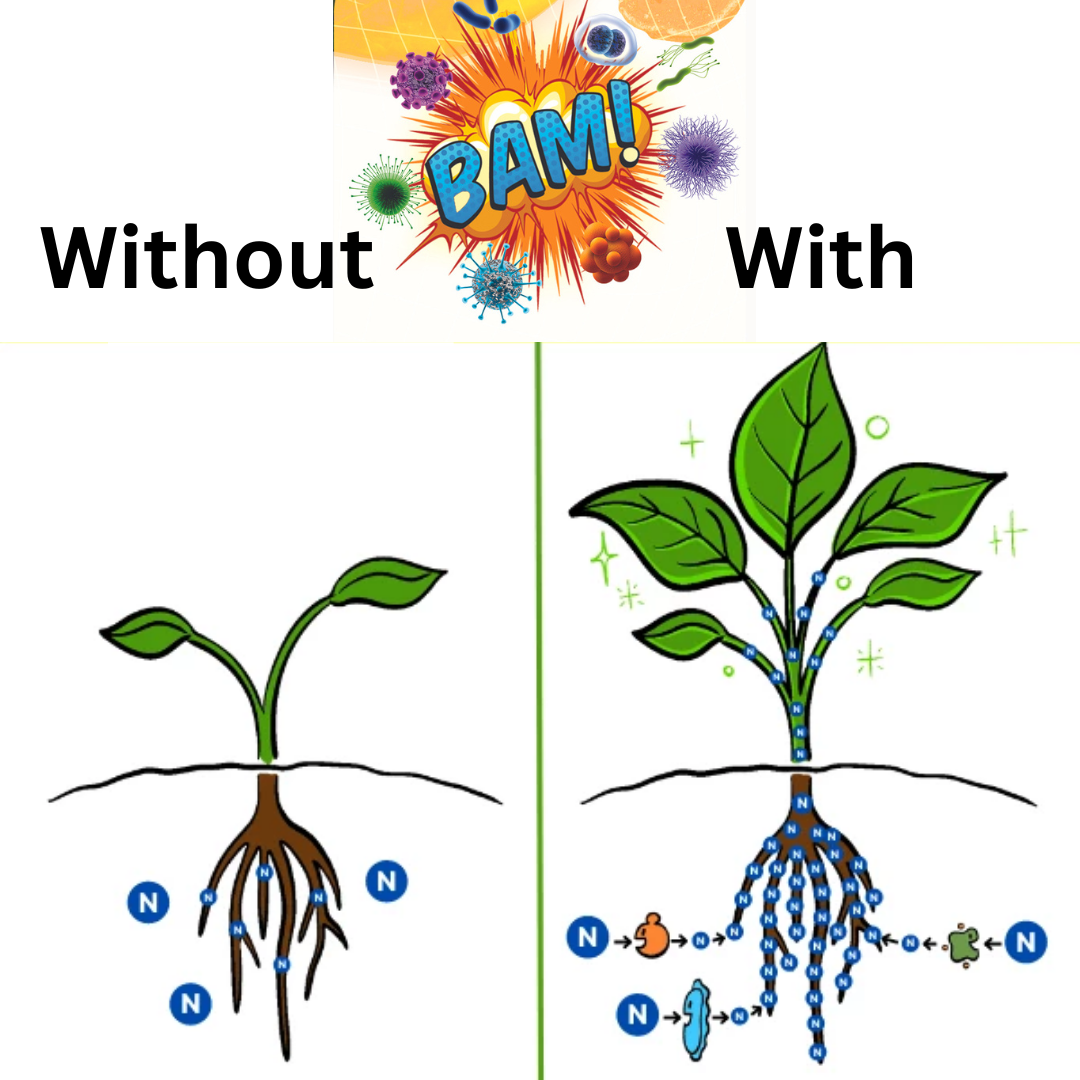
In the soil, minerals don't work alone. They work in tandem with microbes. Beneficial bacteria and fungi (like mycorrhizae) act as the delivery drivers, moving minerals from the soil into the plant roots. However, these microbes need a mineral-rich environment to thrive.
When you use mineralized water, you are not just feeding the plant; you are feeding the soil ecosystem. This leads to what we call "thriving soil microbes," which naturally improve soil structure and water retention. This synergy is why we often recommend combining mineral treatments with a microbial inoculant. For those looking to maximize this relationship, our guide on improving soil health provides a roadmap for creating an optimized growing environment.

The Drops of Balance USP: Human and Garden Versatility
One of the most significant advantages of Drops of Balance is its versatility. Most water filtration systems are either designed for the kitchen sink or the garden hose: rarely both. Because our formula is a concentrated mineral solution, it can be scaled for any application.
- For Humans: A few drops in your glass of water removes the "tap" taste and replaces it with the crisp, refreshing profile of mineral-rich water. It ensures that the water you drink is actually reaching your cells, improving energy levels and recovery.
- For Plants: It allows you to turn basic tap water into a professional-grade nutrient solution. It neutralizes the harmful effects of tap water vs. filtered water without the need for expensive, bulky filtration systems.
Practical Application: How to Mineralize for Maximum Absorption
To get the most out of your water, whether for yourself or your garden, the process is simple but requires a few minutes for the "magic" to happen.
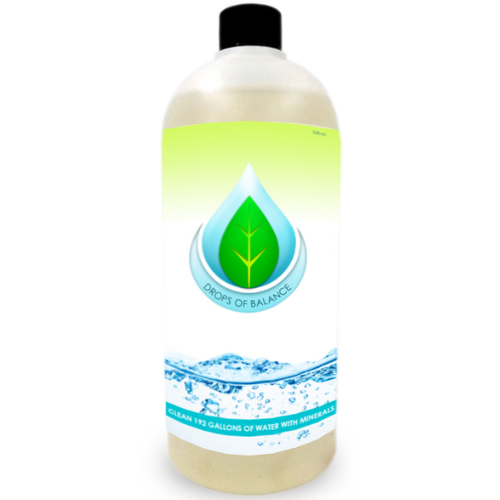
- Add the Concentrate: For drinking water, use approximately 2.5 ml per gallon of tap water. For plants, the dosage can vary from 0.25 ml to 0.5 ml per gallon depending on whether you are using tap or RO water.
- Wait for Precipitation: Allow the water to sit for at least 5 to 10 minutes. You may notice a slight cloudiness or sediment at the bottom: this is the "trash" (fluoride, heavy metals, and chemicals) being pulled out of the water.
- Hydrate: For humans, you can pour off the clean water into a pitcher. For plants, simply water as usual. The precipitated minerals and contaminants will be neutralized in the soil, preventing them from being absorbed by the plant.
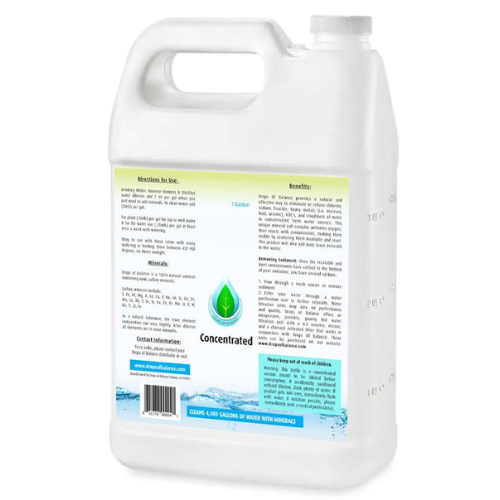
For those managing large gardens, the 1-gallon concentrate is the most cost-effective way to treat up to 7,500 gallons of water, ensuring your garden stays lush even in the peak of summer heat.
Conclusion
Hydration is a biological process, not just a physical one. By understanding the science of mineralized water, we can move away from simply "watering" and toward "nourishing." Whether it's the aquaporins in your own cells or the ion exchange at a plant's roots, minerals are the essential link that makes life possible.
By removing the toxins that block absorption and adding back the trace minerals that facilitate it, you ensure that every drop of water you use is working at its maximum potential. Stop settling for "empty" water and give your body: and your garden: the mineral balance it deserves.