
Better Preservation: How Mineralized Water Keeps Canned Goods Fresh
As the late summer harvest reaches its peak, home gardeners and preservation enthusiasts transition from the field to the kitchen. The goal of canning is simple: to capture the peak nutritional value and flavor of fresh produce for use during the winter months. However, the science behind successful preservation is complex, involving microbiology, thermal dynamics, and water chemistry.
While most canning guides focus heavily on acidity (pH) and processing times, the quality of the water used in the process is often overlooked. Water is not merely a medium for heat transfer; it is a chemical solvent that interacts with the cellular structure of your food. Utilizing clean, mineralized water can significantly improve the texture, color, and overall quality of your preserved goods.
The Chemistry of Canning Water
In home canning, water serves two primary roles: as the heat-transfer medium in a water bath or pressure canner, and as a key ingredient in the syrups and brines that fill the jars. The chemical composition of this water: specifically its mineral content and the presence of contaminants: dictates how the organic matter within the jar responds to high heat.
Tap water in many municipalities contains chlorine, fluoride, and various dissolved solids. When subjected to the high temperatures required for sterilization (212°F for water baths and up to 240°F for pressure canning), these chemicals can undergo reactions with the natural compounds in your fruits and vegetables. For instance, chlorine can lead to oxidative stress on the plant tissues, resulting in off-flavors and a breakdown of delicate aromatic compounds.
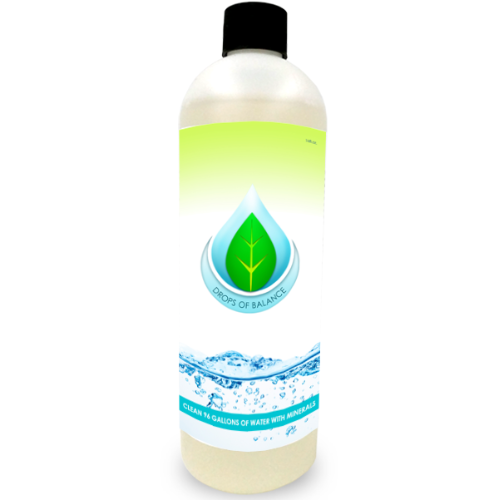
By using a solution like Drops of Balance, you can effectively neutralize these contaminants. The sulfate-based mineral complex works to precipitate out harmful substances, ensuring that the water interacting with your harvest is as pure as possible.
Maintaining Structural Integrity: The Role of Minerals
One of the most common complaints in home canning is the loss of texture. Fruits and vegetables that are crisp when fresh often become mushy after processing. This is due to the breakdown of pectin, the structural carbohydrate found in plant cell walls.
Scientific research into food processing has long recognized the importance of divalent cations, such as calcium and magnesium, in maintaining the "crunch" of preserved vegetables. These minerals act as cross-linking agents for pectin chains. When the cell wall is heated, the presence of these minerals helps to reinforce the structural matrix, preventing the cellular collapse that leads to softness.
Mineralized water provides a steady supply of these essential ions. While distilled water is often recommended for its purity, it is "hungry" water: meaning it lacks minerals and may actually leach nutrients and structural minerals out of the food and into the surrounding liquid. Mineralized water, conversely, maintains an osmotic balance that keeps the nutrients and the structure where they belong: inside the food.
Reducing Oxidation and Discoloration
Oxidation is the enemy of visual appeal in canning. We have all seen canned peaches turn a dull brown or green beans lose their vibrancy. This enzymatic browning and pigment degradation are accelerated by the presence of heavy metals like iron, copper, and manganese often found in untreated tap water.
These metals act as catalysts for oxidative reactions. Even in trace amounts, they can significantly alter the color and vitamin C content of your preserves. The purification process offered by mineral concentrates removes these metallic catalysts. Furthermore, the specific sulfate-mineral complex in Drops of Balance helps to stabilize the environment within the jar, reducing the rate of pigment oxidation and ensuring your pantry looks as vibrant as your garden.
For more information on the efficacy of our mineral solutions, you can review our safety testing data.

Enhancing Flavor Profiles through Purity
Flavor is a delicate balance of sugars, acids, and volatile oils. When you use water that contains high levels of dissolved salts or chemical disinfectants, you introduce "competing flavors."
- Chlorine and Chloramines: Often found in city water, these can impart a medicinal or "bleachy" taste to pickles and light-colored fruits.
- Hardness Minerals (unbalanced): Excessive calcium carbonate can sometimes lead to a "chalky" mouthfeel or cloudy brines.
- Sulfur: While some minerals are beneficial, high levels of hydrogen sulfide in well water can create "rotten egg" odors that become concentrated during the canning process.
By starting with purified, mineralized water, you create a blank canvas. This allows the natural sweetness of your corn, the acidity of your tomatoes, and the spice of your pickling herbs to shine through without interference.
A Practical Guide to Using Mineralized Water in Your Harvest
Integrating mineralized water into your canning routine is a straightforward process that yields professional-grade results. Whether you are using a water bath canner for high-acid foods (fruits, jams, pickles) or a pressure canner for low-acid foods (vegetables, meats), the water quality matters.
1. Water Preparation for Brines and Syrups
This is the most critical step, as this water will be consumed with the food.
- Fill a large stainless steel or glass container with your tap water.
- Add 2.5 ml of Drops of Balance per gallon of water.
- Stir well and let it sit for a few minutes. If you notice any precipitation (cloudiness settling to the bottom), this is the minerals binding to contaminants.
- You can then filter this water through a simple paper filter or pour the clear water from the top to use for your syrups, brines, or packing liquids.
2. Filling the Canner
Using mineralized water in the canner itself (the water that surrounds the jars) can help prevent the buildup of hard water scale on the outside of your jars. This keeps your glassware clear and professional-looking. For this purpose, you can use a lower concentration, such as 0.5 ml to 1 ml per gallon, to treat the large volumes of water required for the canning pot.
3. Maintaining the Seal
While the mineral content doesn't directly create the vacuum seal, the purity of the water reduces the risk of "boil-over" or siphoning. When water is free of volatile chemicals and impurities, it boils more steadily. This stability helps maintain the integrity of the jar lids during the cooling process, ensuring a reliable, long-term seal.
The Longevity Factor: Shelf-Life and Stability
While the primary mechanism of preservation is the destruction of microorganisms through heat, the shelf-life of a product is also determined by its chemical stability. Over time, even in a sealed jar, chemical reactions continue at a very slow rate.
Food preserved in mineral-rich, purified water tends to maintain its organoleptic properties (taste, smell, sight) longer than food preserved in tap water. The removal of reactive metals and the presence of stabilizing trace minerals slow down the degradation of vitamins and the softening of tissues. This means that a jar of green beans opened in March will have a quality much closer to the day it was canned in September.
Scaling Up for Large Harvests
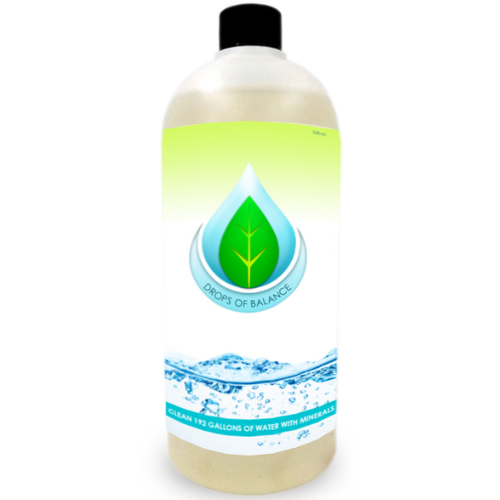
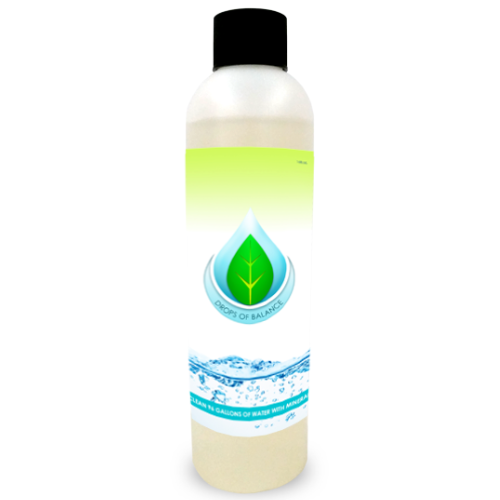
For those with large homesteads or community gardens, treating water in small batches may not be efficient. Our larger containers are designed for high-volume use, making it easy to treat hundreds or even thousands of gallons of water during the peak of the harvest season.
Whether you are a seasoned pro or a beginner in the world of food preservation, the evidence is clear: the water you choose is just as important as the produce you grow. By prioritizing water purity and mineral balance, you are investing in the health, flavor, and longevity of your food storage.
For those looking to stock up for the season, explore our full collection of water treatment solutions to find the right size for your needs.
Conclusion: Science in Every Jar
Successful canning is a marriage of tradition and science. While the methods have been passed down through generations, our understanding of water chemistry allows us to refine those methods for better results. By utilizing the mineral technology found in Drops of Balance, you are not just "canning" food: you are scientifically optimizing it for the future.
This September, as you fill your jars with the bounty of the earth, remember that the "Drops" you add to your water are the secret ingredient to a fresher, crispier, and more nutritious winter pantry.
If you have questions about specific applications or water types, feel free to visit our FAQ page or contact us directly. Happy canning!