
Feeding the Soil: Why Post-Harvest Mineralization is Non-Negotiable
As the sun begins to set earlier and the air turns crisp in mid-September, most gardeners and small-scale farmers are focused on the final harvest. We celebrate the heavy tomatoes, the crisp peppers, and the storage-bound squash. However, once the last fruit is plucked and the vines begin to wither, a critical biological window opens: one that determines the success of your next three growing seasons.
At Drops of Balance, we view the end of the harvest not as a period of rest, but as a period of reconstruction. Post-harvest mineralization is the process of replenishing the elemental and microbial "bank account" of your soil. If you simply pull your plants and walk away until spring, you are practicing soil mining, not soil stewardship.
The Reality of Post-Harvest Depletion
Every ounce of produce you harvested this summer was built from the minerals and nutrients extracted from your soil. High-yield crops are particularly demanding, stripping the earth of not just Nitrogen, Phosphorus, and Potassium (NPK), but a complex array of secondary and trace minerals like Calcium, Boron, Manganese, and Zinc.
When these minerals are removed via the harvest and the remaining plant matter is either hauled away or left to dry out on the surface, the soil enters the winter in a state of exhaustion. This "nutritional deficit" leads to a collapse in microbial populations, as there is no longer enough biological fuel to sustain them through the cold months. To prevent this, understanding what plants really need to grow is essential: and it goes far beyond the standard fertilizer bag.

The Science of Mineralization: Why Timing Matters
Mineralization is the biological process where organic compounds are converted into inorganic, plant-available forms by soil microorganisms. While we often think of "feeding the plants," we should really be focused on "feeding the process."
Research indicates that post-harvest nutrient applications allow plants to mobilize minerals even as they enter dormancy. For perennial crops and fruit trees, this is the time when the plant stores energy in its roots and wood for the following spring. When bud swell begins in March or April, the plant relies on the minerals moved into its tissues the previous autumn. Applying trace minerals like Boron and Zinc in September and October supports fruit bud development and cold tolerance, ensuring a more resilient start when the ground thaws.
Furthermore, post-harvest mineralization accelerates the decomposition of crop residues. Instead of having "trash" sitting in your garden until May, a mineral-rich environment allows microbes to break down cellulose and lignin, turning that waste into stable soil organic matter (SOM).
Supporting the Microbial Labor Force
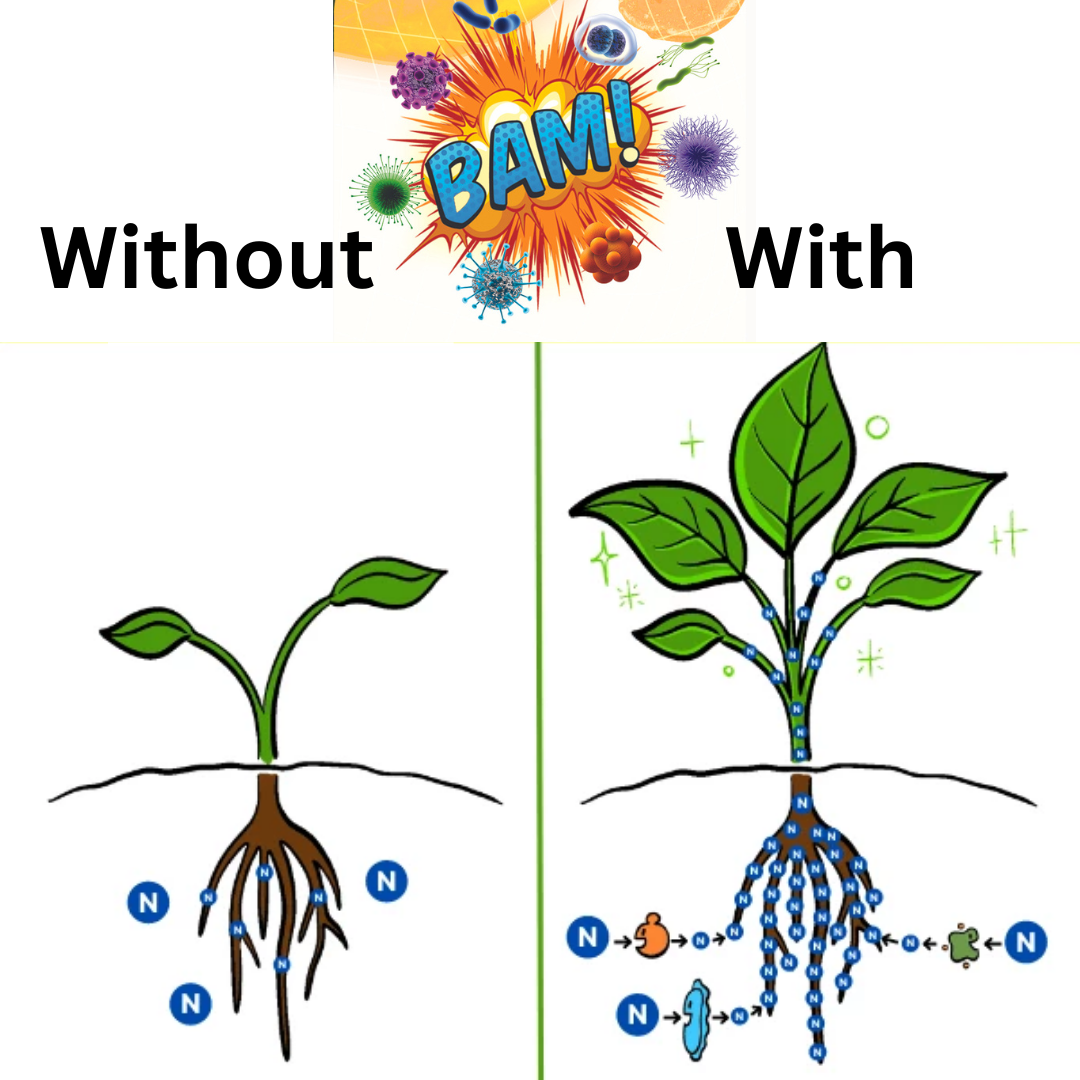
Your soil is home to a massive, invisible workforce. These microbes: bacteria, fungi, and protozoa: are responsible for nutrient cycling. However, they cannot work in a vacuum. They require a mineral-rich environment to produce the enzymes necessary for breaking down organic matter.
A study on compost and residue management showed that supporting mineralization increased microbial biomass by 63-100% over baseline levels. This is significant because active soil microbes improve water infiltration and water-holding capacity. When your soil is biologically active through the winter, it remains warmer, allowing for earlier planting dates in the spring: sometimes by 3 to 5 days.
To support this biological activity, many gardeners find success with a combined approach of mineral replenishment and microbial inoculation. You can learn more about this in our easy guide for organic gardeners on improving soil health.
The Trace Mineral Solution: Beyond NPK
Most commercial fertilizers focus on the "Big Three" (NPK), but healthy soil requires dozens of trace elements to function as a complete ecosystem. Post-harvest is the ideal time to reintroduce these elements because they have months to integrate into the soil structure without the immediate pressure of supporting a rapidly growing plant.
Essential Minerals for the Off-Season:
- Calcium: Critical for soil structure and cell wall strength. It helps "open" the soil, improving aeration for microbes.
- Manganese and Copper: These act as catalysts for enzymatic reactions within the soil.
- Sulfated Trace Minerals: These are highly bioavailable and help neutralize potential toxins that may have accumulated from tap water usage during a dry summer.
If you’ve been using tap water all summer, your soil might be struggling with more than just depletion. Many municipal water sources contain fluoride and chlorine, which can harm the delicate microbial balance. Our research on fluoride in garden water highlights why a clean-up phase is necessary after the growing season ends.
Using Drops of Balance for Post-Harvest Restoration
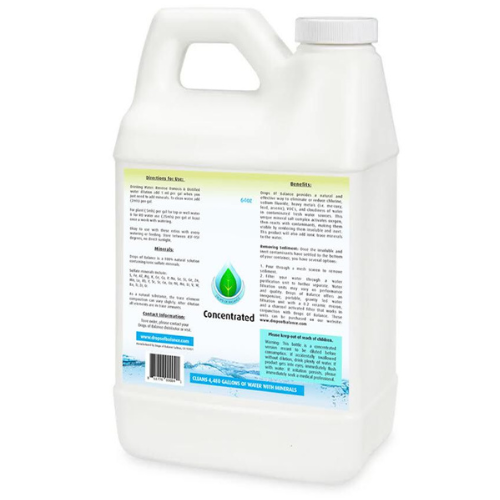
Drops of Balance provides a concentrated solution of ionic sulfate minerals that mirrors the mineral profiles found in the world’s most fertile soils. When applied post-harvest, these minerals do two things: they provide the raw materials for next year's growth, and they help "clean" the soil of accumulated contaminants like heavy metals and chemical residues.
The Restoration Protocol
- Clear the Bulk, Leave the Fines: Remove the heavy, woody stems of your harvest, but leave smaller leaves and organic debris on the surface.
- Mineral Application: Use Drops of Balance at a rate of 2ml per gallon of water. Drench the soil thoroughly. The ionic minerals will immediately begin interacting with the soil particles, increasing the cation exchange capacity (CEC).
- Microbial Boost: Combine the mineral treatment with a high-quality microbial inoculant like BAM! (Beneficial Adaptive Microbes). This ensures that the minerals are being actively cycled by a healthy population of bacteria and fungi.
- Cover: Apply a light layer of mulch or straw. This protects the microbes from UV rays and extreme temperature swings, allowing the mineralization process to continue deeper into the winter.
The Financial Return on Soil Investment
While it may seem counterintuitive to spend money on soil that "isn't doing anything" over the winter, the economic benefits are measurable. Farmers and gardeners who practice post-harvest residue management see a significant increase in nutrient availability.
By investing in mineralization now, you are essentially "pre-loading" your soil. This leads to:
- Reduced Fertilizer Needs: Because the soil is more efficient at cycling nutrients, you won't need to apply as much expensive nitrogen or phosphorus in the spring.
- Greater Resilience: Plants grown in mineral-rich soil are better at managing abiotic stress such as drought or cold snaps.
- Higher Nutrient Density: The fruits and vegetables you grow next year will contain a broader spectrum of trace minerals, making them more healthful for you and your family.
Why "Wait Until Spring" Is a Mistake
The most common mistake gardeners make is waiting until the first week of planting to add amendments. Soil is a slow-moving biological engine. If you add minerals in May, the microbial community hasn't had time to "process" them into forms that the young plant can easily absorb. This leads to a lag in growth, often resulting in plants that are more susceptible to pests and diseases during their early stages.
By focusing on mineralization in September and October, you allow the chemistry of the soil to stabilize. You are giving the fungi time to build their networks and the bacteria time to break down the previous year's roots. When you finally tuck those seeds or starts into the ground next year, they are entering an environment that is primed and ready to support life.

Final Thoughts: Feeding the Future
Feeding the soil post-harvest is a non-negotiable step for anyone serious about long-term soil health and high-quality produce. It is the bridge between the success of this year and the potential of the next.
By replenishing trace minerals and supporting the microbial lifecycle through the autumn, you aren't just cleaning up a garden: you are building a legacy of fertility. Use this window of time wisely. Your soil has worked hard for you all summer; now is the time to give back.
To explore our full range of soil and water restoration tools, visit the Drops of Balance collection and start your post-harvest transition today.