
Beyond the Beach: Why Your Skin Craves Mineralized Water After a Day in the Sun
For many, a day at the beach represents the pinnacle of summer wellness, fresh air, vitamin D synthesis, and the rhythmic sound of the waves. However, while the mind finds relaxation, the skin is undergoing a complex physiological struggle. Ultraviolet (UV) radiation, combined with the dehydrating effects of salt water and wind, places a significant burden on the body’s largest organ.
When you return home, your skin is often in a state of oxidative stress and acute dehydration. While topical lotions and aloe vera are standard recovery tools, the most critical component for cellular restoration is often overlooked: the quality and mineral content of the water used for rehydration and cleansing. To truly support skin recovery, the biological demand moves beyond simple H2O to a requirement for bioavailable trace minerals.
The Biochemistry of Sun-Induced Skin Stress
To understand why mineralized water is essential for post-sun recovery, one must first examine the damage caused by solar radiation. UV-A and UV-B rays penetrate the dermal layers, triggering the production of reactive oxygen species (ROS). These free radicals damage cellular DNA, degrade collagen fibers, and disrupt the lipid barrier of the stratum corneum.
The result is a phenomenon known as Trans-Epidermal Water Loss (TEWL). When the skin’s barrier is compromised by heat and UV exposure, its ability to retain moisture evaporates, literally. This leads to the tight, itchy, and inflamed sensation associated with a "sun-kissed" glow. Recovery requires more than just "wetting" the skin; it requires the restoration of the electrolyte balance within the skin cells to facilitate repair.

Why Tap Water Falls Short in Recovery
Most individuals reach for tap water to rehydrate and rinse their skin after a day in the sun. However, from a scientific perspective, standard tap water may actually impede the recovery process. Municipal water supplies often contain high levels of chlorine and fluoride. Chlorine is a powerful oxidizing agent; while it is effective at neutralizing pathogens in the water supply, it can strip the skin of its natural oils (sebum) and further irritate an already inflamed dermal barrier.
Furthermore, the "hardness" or "softness" of water, determined by its mineral profile, affects its ability to interact with the skin. Distilled or Reverse Osmosis (RO) water, while clean, is often "hungry" water, devoid of minerals. When used for hydration, it can theoretically lead to an osmotic imbalance if not properly mineralized, as the body requires electrolytes to transport water across cell membranes efficiently.
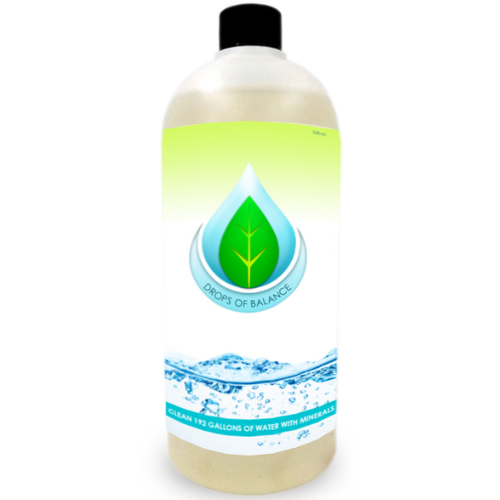
Using a solution like Drops of Balance allows for the removal of these harmful contaminants while reintroducing a broad spectrum of ionic minerals that the skin and body desperately need for homeostasis.
The Role of Trace Minerals in Dermal Repair
The skin’s ability to repair itself is a nutrient-dependent process. When we discuss mineralization in the context of health and wellness, we are looking at the specific roles that trace elements play in biological pathways.
Magnesium: The Anti-Inflammatory Powerhouse
Magnesium is a cofactor in over 300 enzymatic reactions in the human body, many of which are dedicated to protein synthesis and cellular repair. Topically and internally, magnesium helps to reduce the levels of C-reactive protein and other inflammatory markers triggered by UV damage. It supports the skin’s barrier function, helping to mitigate TEWL.
Zinc: DNA Synthesis and Wound Healing
Zinc is perhaps the most critical mineral for skin integrity. It is essential for the function of DNA polymerase, the enzyme responsible for repairing DNA strands damaged by UV radiation. Zinc also acts as an antioxidant, helping to neutralize the ROS generated during sun exposure.
Potassium and Sodium: Osmotic Regulation
Hydration is not just about the presence of water; it is about the movement of water. The sodium-potassium pump is a cellular mechanism that regulates the fluid balance within cells. After a day of sweating and sun exposure, these electrolytes are often depleted. Providing the body with mineralized water ensures that the water you drink actually reaches the intracellular space rather than simply passing through the system.
External Hydration: The Mineral Mist Method
While drinking mineralized water is the foundation of recovery, external application provides immediate relief to the stratum corneum. Many wellness enthusiasts are now utilizing mineralized mists to soothe sun-exposed skin.
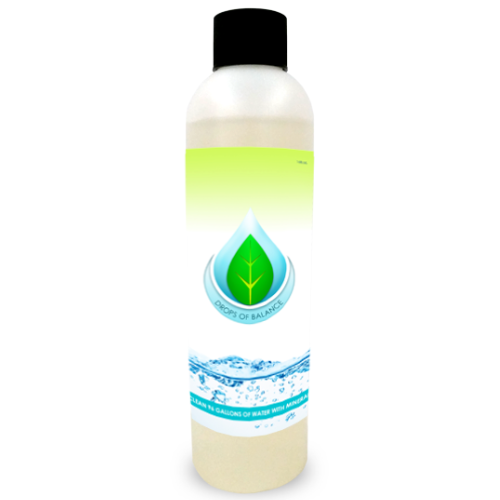
By adding a few drops of Drops of Balance concentrate to a glass spray bottle filled with purified water, you create an ionic mineral mist. Because the minerals in Drops of Balance are in an ionic, water-soluble state, they are more easily recognized by the skin’s surface. This mist can help to:
- Neutralize Residual Chlorine: If you have just showered in municipal water, a mineral mist can help counteract the drying effects of chlorine.
- Support the Acid Mantle: The skin's natural pH is slightly acidic. Mineralized water helps maintain this balance, which is often disrupted by alkaline soaps and salt water.
- Enhance Absorption: Applying minerals topically can serve as a primer for organic moisturizers, allowing them to lock in hydration more effectively.
The Synergistic Effect of Internal and External Mineralization
True recovery happens from the inside out. When the body is deficient in trace minerals, it prioritizes the survival of internal organs over the health of the skin. By supplementing your water intake with a comprehensive mineral profile, you ensure that there are enough resources to go around.
Our mineral deficiencies product page highlights how a lack of these essential elements can manifest in various ways, including chronic skin dryness and poor healing. After sun exposure, the metabolic rate of the skin increases as it attempts to repair damage. This increased metabolic demand requires a steady supply of minerals to act as catalysts for these biochemical reactions.

A Practical Post-Sun Recovery Protocol
To maximize your skin’s recovery after a day at the beach, consider the following scientifically-backed wellness routine:
- Purify Your Intake: Ensure the water you are drinking is free from fluoride and chlorine. If you are using tap water, the Drops of Balance Micro-Ceramic Filter can assist in removing physical contaminants before chemical purification.
- Mineralize Your Hydration: Add Drops of Balance concentrate to your water. For intensive recovery, a slightly higher concentration of minerals can help replenish what was lost through perspiration.
- Cooling Mineral Rinse: After showering, rinse your face and body with mineralized water to reset the skin’s pH and remove any lingering chemical residues from the tap water.
- Targeted Supplementation: Ensure your diet includes mineral-dense foods or targeted supplements to provide the raw materials needed for collagen synthesis.
For those interested in the long-term data regarding water purity and mineral content, we encourage you to review our safety testing documentation.
Conclusion: Science-Based Skin Wellness
The relationship between the sun and our skin is a delicate balance. While we require sunlight for vital biological functions, the "aftercare" is what determines whether that exposure leads to premature aging or healthy vitality. By shifting the focus from simple hydration to mineralized hydration, you provide your body with the specific tools required for cellular restoration.
Your skin does not just want water; it craves the minerals that allow that water to function within the biological landscape. This summer, look beyond the beach bag and focus on the chemistry of your recovery.
If you have questions about how to integrate mineralized water into your specific lifestyle or have inquiries about our concentrations, please visit our FAQ page or contact us directly.