
Beyond the Bloom: The Secret to Nutrient-Dense Harvests You Can Actually Taste
For many home gardeners and commercial growers alike, the visual appeal of a harvest is the primary metric of success. A deep red tomato, a vibrant green leaf of kale, or a perfectly symmetrical bell pepper suggests a job well done. However, modern agricultural science reveals a stark reality: aesthetic perfection does not always equate to nutritional value. There is a growing gap between how food looks and what it actually provides to the human body.
The secret to bridging this gap lies in the concept of nutrient density. This refers to the ratio of essential micronutrients: vitamins, minerals, and phytonutrients: to the caloric content of the food. To achieve a truly nutrient-dense harvest, one must look beyond standard fertilizers and address the foundational chemistry of plant nutrition.
The Science of Flavor: Why Minerals Equal Taste
If you have ever bitten into a grocery store strawberry that tasted like watery cardboard, you have experienced the "dilution effect." This phenomenon occurs when selective breeding and high-nitrogen fertilizers prioritize yield and size over nutrient concentration. Scientific research indicates that the complex flavors we associate with high-quality produce are actually a byproduct of a plant’s secondary metabolism.
Plants produce secondary metabolites: such as flavonoids, terpenes, and phenols: as defense mechanisms and environmental responses. These compounds are also responsible for the deep aromas and rich flavors in our food. Crucially, the enzymes required to synthesize these flavorful compounds are mineral-dependent. Without a full spectrum of trace minerals for soil, the plant lacks the "spark plugs" necessary to complete these complex chemical reactions.
When a plant has access to a diverse array of ionic minerals, its brix levels (a measurement of sugar and mineral solids in plant sap) increase. High-brix plants not only taste better but are also more resistant to pests and diseases, creating a self-sustaining cycle of health.

Beyond N-P-K: The Necessity of Trace Minerals
For decades, the standard approach to "best plant food" has focused almost exclusively on the "Big Three": Nitrogen (N), Phosphorus (P), and Potassium (K). While these macronutrients are essential for structural growth and energy transfer, they represent only a fraction of a plant’s biological requirements.
Current research from institutions like UMass Amherst suggests that while the type of fertilizer used (organic vs. synthetic) is important, the absolute availability of a broad range of nutrients is the ultimate factor in determining nutrient density. Plants require dozens of trace elements: including Boron, Manganese, Zinc, Copper, and Molybdenum: to facilitate nutrient uptake and cellular repair.
When soil or irrigation water is depleted of these minerals, the plant's biological systems begin to stall. This is where many growers struggle; they add more N-P-K, but the plants remain "hungry" for the missing micronutrients. By reintroducing trace minerals for soil through mineralized water treatments, growers can unlock the full genetic potential of their crops.
The Invisible Barrier: How Water Quality Dictates Plant Health
The foundation of plant health is water. However, most municipal water sources are treated with chemicals that, while safe for human transport, are detrimental to the delicate ecosystem of the soil. Chlorine and fluoride are specifically designed to kill biological organisms. In a garden setting, these chemicals can:
- Sterilize the Rhizosphere: They kill the beneficial bacteria and fungi that plants rely on to "digest" minerals.
- Inhibit Mineral Uptake: Chlorine can create chemical bonds with soil minerals, making them "locked" and unavailable to the plant roots.
- Cause Leaf Burn: Sensitive crops may show signs of toxicity, which is often misdiagnosed as a nutrient deficiency.
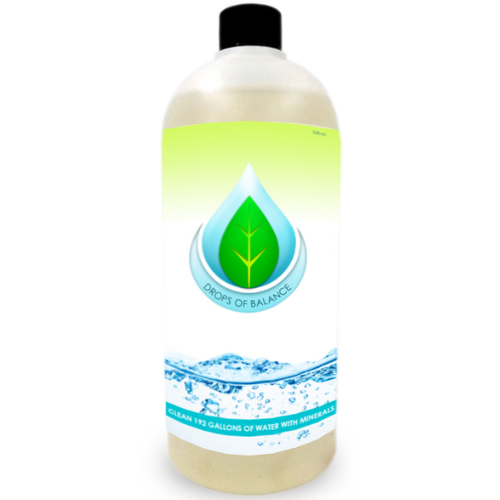
To achieve peak plant nutrition, it is vital to treat the water first. Solutions like Drops of Balance utilize a sulfate-based mineral complex to neutralize these harmful contaminants while simultaneously adding a concentrated dose of ionic trace minerals back into the water.
Restoring the Biological Connection
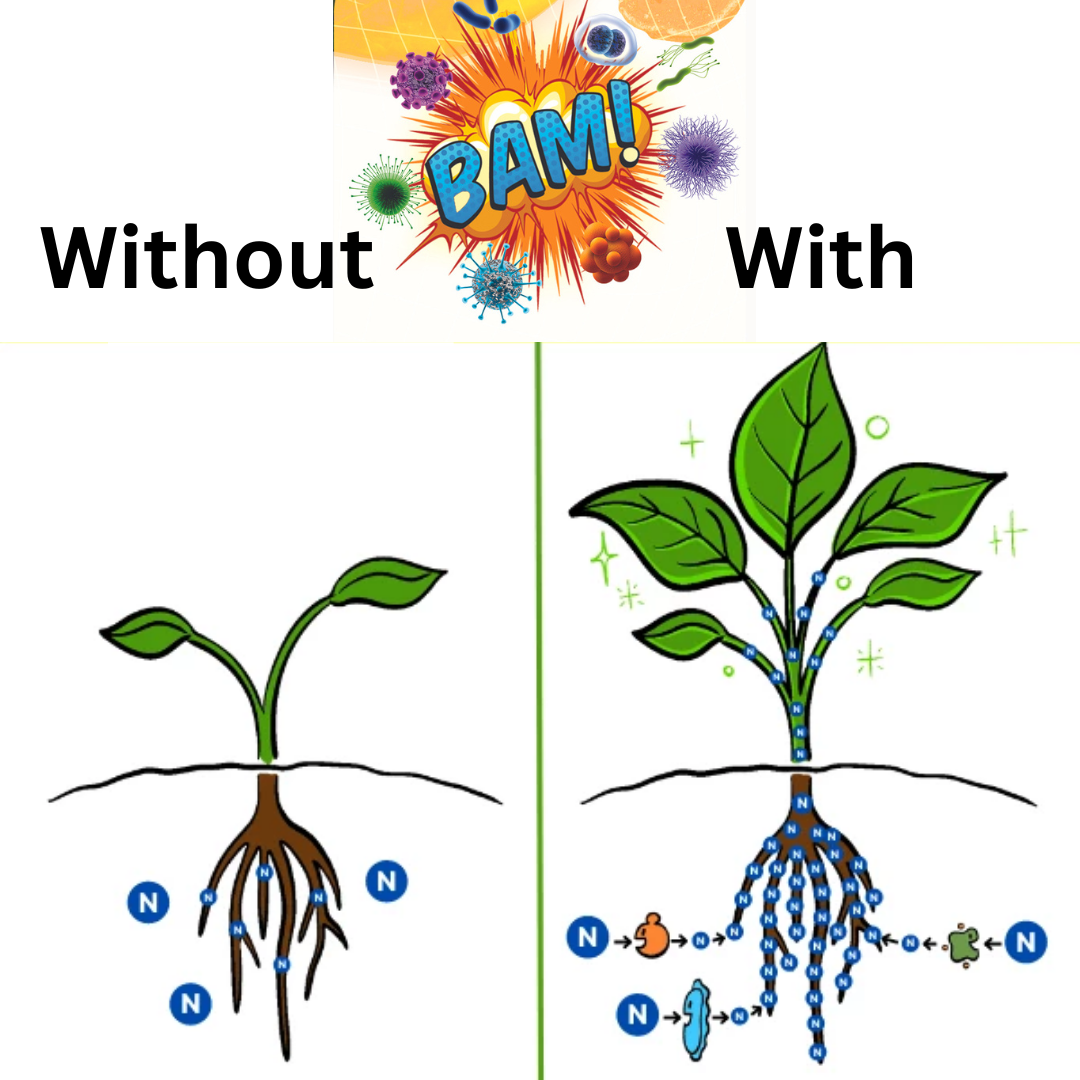
Nutrient density is not just a result of what you put in the soil, but how the plant accesses those nutrients. In nature, plants live in a symbiotic relationship with soil microbes. Mycorrhizal fungi and various bacteria act as an extension of the plant's root system, scavenging for minerals in exchange for plant sugars.
Using a microbial inoculant, such as BAM! Microbial Inoculant Concentrate, in conjunction with mineralized water, creates a powerhouse environment for nutrient transfer. The minerals provide the raw materials, and the microbes provide the labor. This synergy is the "secret sauce" for growing produce that contains significantly higher levels of Vitamin C, Magnesium, and Iron compared to standard supermarket varieties.

The Role of Ionic Minerals in Human Health
The primary reason to pursue nutrient-dense harvests is the direct impact on human health. The human body is an electrochemical machine that requires minerals to conduct every nerve impulse and enzymatic reaction. When we consume "hollow" food: food that is calorie-rich but nutrient-poor: our bodies remain in a state of hidden hunger, leading to chronic mineral deficiencies.
By focusing on the mineralization of our gardens, we are essentially "pre-loading" our own biological systems. A tomato grown in mineral-rich soil, watered with purified and mineralized water, becomes a functional supplement rather than just a side dish.
Strategic Application for Maximum Density
To transition your garden from standard growth to high-performance nutrient density, follow these scientifically-backed steps:
- Purify and Mineralize Your Water: Use Drops of Balance 32oz to treat your irrigation water. This removes toxins and adds the trace elements necessary for enzyme production.
- Inoculate the Soil: Introduce beneficial biology early in the season to establish a healthy rhizosphere.
- Monitor Brix Levels: Use a refractometer to test the sap of your plants. Higher brix readings are a direct indicator of increased nutrient density and superior flavor.
- Harvest at Peak Ripeness: As noted in recent agricultural studies, nutritional content peaks at specific maturity stages. Avoid picking produce early for storage; let the minerals finish their work on the vine.
Conclusion: A New Standard for Homegrown
The quest for the best plant food often leads people to expensive, complex chemical regimens. However, the most effective path is often the one that mimics nature’s own cycles. By removing the synthetic barriers (toxins) and reintroducing the essential building blocks (trace minerals), we allow the plant to do what it does best: concentrate the essence of the earth into a form we can eat.
When you focus on nutrient density, the rewards are immediate and undeniable. You will see it in the resilience of your garden, you will feel it in your energy levels, and most importantly, you will finally be able to taste the difference.
For more information on the science of water mineralization and how it supports both plant and human life, visit our About Us page or explore our full range of water treatment solutions.