
EPA Fluoride Update: 7 Mistakes You’re Making With Your Tap Water (And How to Fix Them)
It is March 2026, and the landscape of water safety in America just took a massive turn. For decades, the conversation around tap water was stagnant, literally. But following the EPA’s accelerated review announcement in January 2026, the scientific community and homeowners alike are waking up to a new reality.
Under the direction of the EPA and a 2024 federal court ruling, the agency is finally scrutinizing the neurodevelopmental effects of fluoride, particularly in children. While the EPA's Maximum Contaminant Level (MCL) has sat at 4.0 mg/L since 1986, the new "Preliminary Assessment Plan" suggests that the old standards might not be the gold standard we once thought.
Whether you are drinking it or watering your heirloom tomatoes with it, the water coming out of your faucet is likely carrying more than just H2O. If you want to optimize your health and your garden's soil health, it’s time to stop making these seven common mistakes.
1. Trusting "Safe" Levels from 1986
The biggest mistake you can make is assuming that "regulated" means "optimal." The current EPA limit of 4.0 mg/L for fluoride was set forty years ago. To put that in perspective, that’s the same year the first laptop computer was released. Science has moved on; the regulations are just now trying to catch up.
The 2026 EPA review specifically targets dental fluorosis and neurodevelopmental impacts. When the government starts "accelerating" reviews based on court rulings regarding brain health, it’s a sign that you should probably take matters into your own hands. Waiting for a policy change to protect your family is a reactive strategy. Proactive water treatment is the only way to ensure you are actually getting clean hydration.
2. Thinking Your Fridge Filter Removes Fluoride
We hate to be the bearer of bad news, but that little carbon filter in your refrigerator or that popular pitcher on your counter is likely doing next to nothing for fluoride. Most standard activated carbon filters are great at removing chlorine (the stuff that makes water smell like a swimming pool) and some heavy metals, but fluoride is a stubborn ion.
To truly remove fluoride from water, you need a solution that can chemically interact with the contaminants to neutralize them. This is where ionic sulfate minerals come into play. Unlike a simple screen or carbon block, Drops of Balance uses a concentrated mineral solution to gather these contaminants into heavy sediment that sinks to the bottom, leaving the water above purified and mineral-rich.

3. Ignoring the "Silent Killer" in Your Garden
If you’re an organic gardener, you probably spend a fortune on high-quality seeds and organic fertilizers. But then, you hook up a hose and blast your soil with fluoridated, chlorinated tap water.
Fluoride is a cumulative phytotoxin. This means it builds up in the plant tissue over time. Have you ever noticed the tips of your leaves turning brown and crispy despite regular watering? That’s often "tip burn," a classic sign of fluoride toxicity. When you don't use proper water treatment for plants, you are essentially putting your garden on a slow-poison diet. Fluoride inhibits photosynthesis and messes with the plant's ability to move water internally.
4. Neglecting Soil Health and Microbial Life
Your soil is not just dirt; it’s a living, breathing ecosystem. One of the most common mistakes is forgetting that the chlorine and fluoride added to tap water to kill bacteria in the pipes also kills the beneficial microbes in your soil.
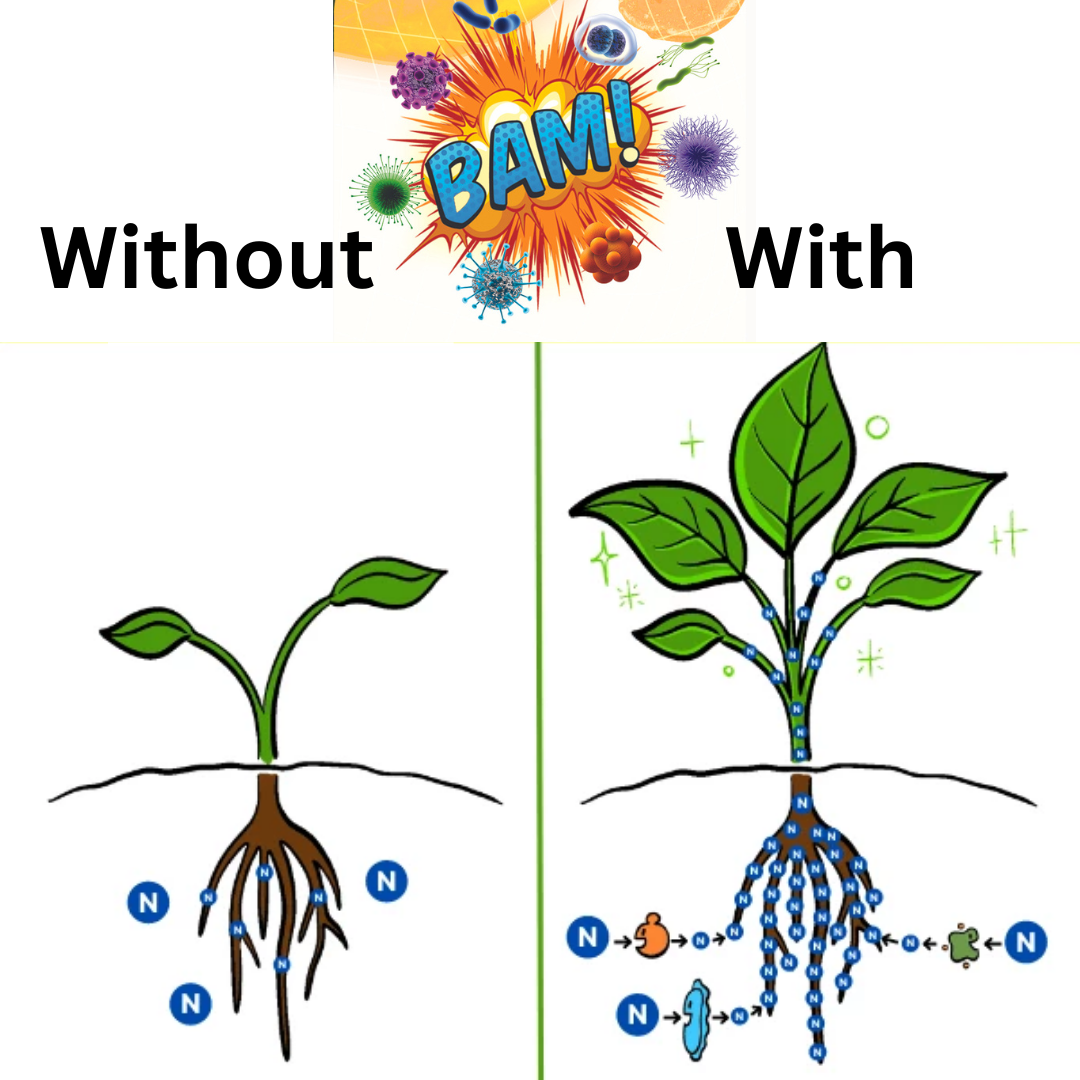
Healthy soil depends on a symbiotic relationship between fungi, bacteria, and plant roots. When you douse your garden in untreated tap water, you are effectively "sanitizing" your soil. This makes your organic fertilizer nearly useless because there are no microbes left to break it down into a form the plant can eat. By using a mineral-based treatment, you can neutralize these toxins and support a thriving microbial environment. For an extra boost, many gardeners pair clean water with a microbial inoculant to jumpstart the "BAM!" effect in their beds.
5. Over-Filtering Without Remineralization
In an attempt to escape the EPA’s fluoride dilemma, many people switch to Reverse Osmosis (RO) or distilled water. While these methods are effective at removing the "bad stuff," they also remove every single "good" thing. This results in "dead water": water that is chemically hungry and devoid of life-sustaining minerals.
Drinking demineralized water can actually leach minerals from your own body. Similarly, watering plants with "hungry" RO water can throw off the osmotic pressure in the roots, leading to nutrient deficiencies. The key isn't just to strip the water bare; it's to clean it and then replenish it with essential trace minerals for plants and humans alike.
6. Using Cheap, Synthetic Fertilizers to Fix "Yellow Leaves"
When a plant looks sickly, most gardeners reach for a bag of high-nitrogen chemical fertilizer. This is like giving a sick person a double espresso; it provides a temporary jolt but doesn't fix the underlying issue.
Often, the problem isn't a lack of N-P-K (Nitrogen, Phosphorus, Potassium), but a lack of micronutrients and trace minerals. Plants need more than just the "Big Three." They require boron, manganese, zinc, and dozens of other elements to build strong cell walls and complex flavors. If your water is contaminated with fluoride, it can block the uptake of these essential minerals. Unlocking your garden's full potential starts with the water quality, not the fertilizer bag.
7. Assuming All Mineral Supplements Are Equal
The final mistake is thinking that a generic mineral drop from the health food store is the same as a professional-grade water treatment solution. To effectively clean water, the minerals must be in a specific ionic sulfate form.
Drops of Balance is formulated to perform a process called "flocculation." When you add the drops to your water, the minerals bind to toxins like fluoride, chlorine, and heavy metals. You can actually see it happening: the contaminants turn into visible particulates and settle at the bottom. This isn't just "adding minerals"; it's a scientific purification process.

The 5-Minute Fix: How to Remediate Your Water
Fixing these mistakes doesn't require a $2,000 plumbing overhaul. You can significantly improve your water quality in about five minutes.
- Treat Your Drinking Water: Use the Drops of Balance 2 oz blue glass dropper bottle. Just a few drops per glass (or a teaspoon per gallon) can transform tap water into a mineral-rich, purified elixir.
- Scale Up for the Garden: If you are worried about your vegetable patch, consider using the larger concentrate sizes to treat your watering cans. Your tomatoes will thank you with higher yields and better flavor.
- Wait and See: After adding the drops, give the water time to react. You’ll notice the clarity improve and the taste shift from "chemical" to "crisp."
Why This Matters Now
The EPA’s 2026 update is a wake-up call. We are living in an era where emerging contaminants: from PFAS to fluoride: are finally being recognized for their long-term health impacts. We no longer have the luxury of being passive consumers of our local utility's water.
By focusing on soil health and proper water treatment, you aren't just growing better plants; you are building a healthier lifestyle. The science is clear: clean water plus essential trace minerals equals a thriving system, whether that system is your own body or your backyard garden.

Stop making the mistake of waiting for the regulations to change. Take control of your tap and make your water routine a little more intentional.
For more tips on water safety and healthier everyday habits, check out our latest news.