
The "Invisible" Killers in Your Hose: How Fluoride & Chlorine Are Stunting Your Spring Veggies
You’ve spent all winter planning. You’ve pored over seed catalogs, sourced the most expensive organic fertilizer you could find, and maybe even started your seedlings under fancy LED lights in the basement. Now, the ground is warming up, and it’s time to get those babies in the dirt.
But there is a massive, invisible hurdle standing between you and that prize-winning tomato harvest. It’s coming straight out of your garden hose.
Most gardeners think of tap water as a "neutral" source of hydration. In reality, municipal water is a chemical cocktail designed for human sanitation, not biological vitality. Specifically, two additives, fluoride and chlorine, are acting as silent "growth inhibitors" in your garden. If you’ve ever wondered why your leaves have crispy brown edges or why your growth seems to plateau despite your best efforts, you might be looking at a chemical toxicity issue.
Today, we’re diving into the science of why you need to remove fluoride from water and neutralize chlorine if you want a truly thriving spring garden.
The Microbial Genocide: How Chlorine Nukes Your Soil
Chlorine is a hero in the municipal water system because it is a highly effective disinfectant. It kills pathogens that would otherwise make us sick. The problem? Chlorine doesn’t know when to stop being a "killer." When you spray your garden beds with chlorinated tap water, that chemical doesn't just disappear. It goes to work on your soil's microbiome.
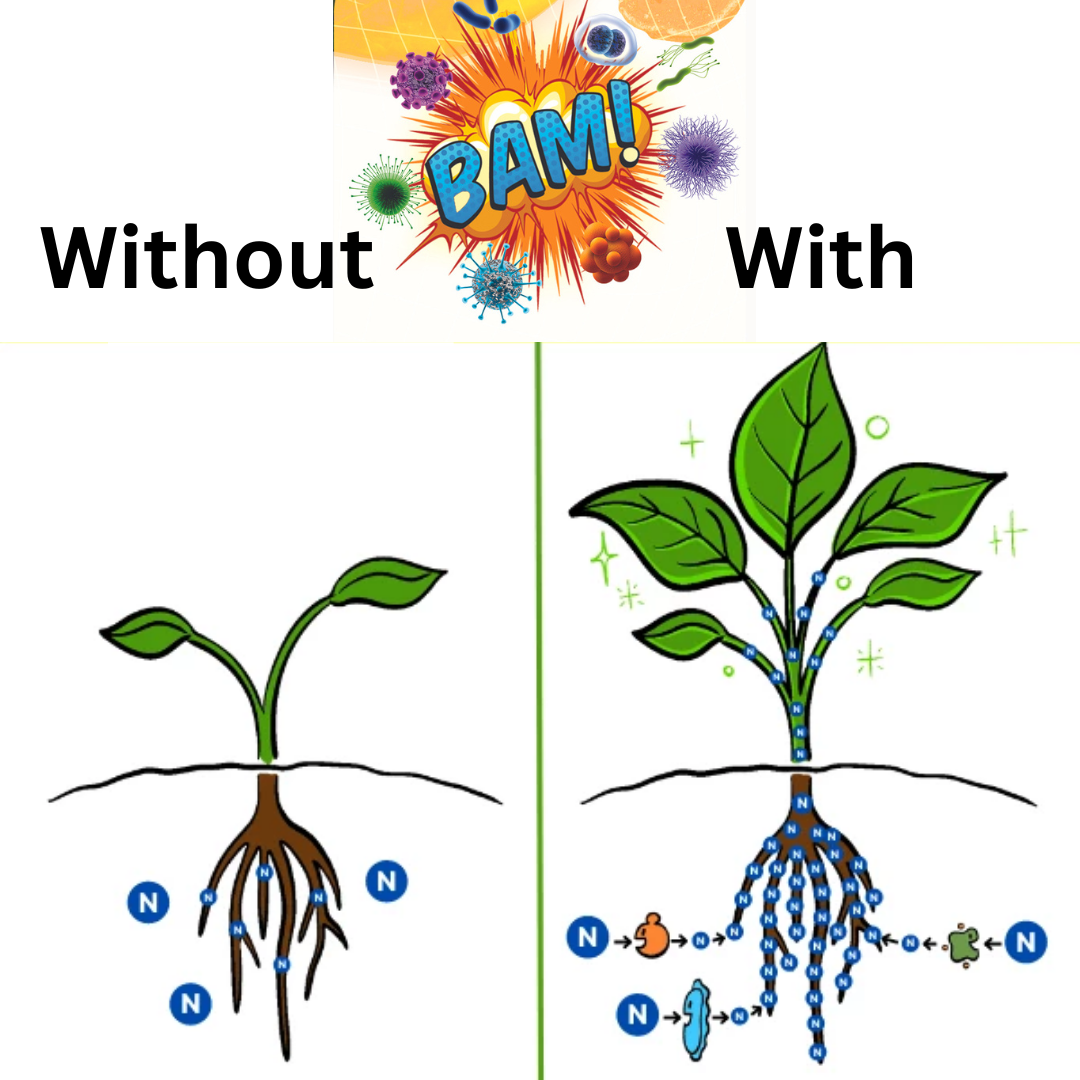
Healthy soil isn't just "dirt"; it’s a living, breathing ecosystem of beneficial bacteria and mycorrhizal fungi. These microbes are the bridge between your organic fertilizer and your plant’s roots. They break down organic matter into bioavailable nutrients. Chlorine effectively "sanitizes" your soil, wiping out these essential workers.
Research shows that residual chlorine destroys beneficial fungi that are responsible for soil aeration and nutrient cycling. Without these microbes, your soil becomes compacted, and your plants become "starved" in the middle of plenty. They can’t access the nutrients you’re providing because the biological "delivery drivers" have been neutralized.
The Fluoride Factor: A Persistent Photosynthesis Inhibitor
While chlorine is a problem for soil life, fluoride is a direct poison for the plant itself. Unlike chlorine, which can eventually dissipate or be gassed off (if you wait long enough), fluoride and its cousin chloramine are persistent. They do not evaporate.
Fluoride is an accumulative poison. As you water your garden throughout the spring and summer, the fluoride levels in your soil and plant tissues climb higher and higher. It moves through the plant’s transpiration stream, the "circulatory system" of the plant, and ends up at the margins of the leaves.
How Fluoride Attacks Your Veggies:
- Inhibition of Photosynthesis: Fluoride interferes with the plant’s ability to convert sunlight into energy. It’s like trying to run a marathon while someone is pinching your nose shut.
- Necrosis: This is the most common visible symptom. Have you noticed brown, dead tissue at the tips and edges of your tomato or cucumber leaves? That’s often fluoride toxicity. Once that tissue dies, it’s gone for good.
- Accumulation in Food: Studies have shown that vegetables like tomatoes and onions directly absorb fluoride from irrigation water. In high-fluoride zones, tomatoes can accumulate significant levels of this chemical, which you then ingest when you eat your "healthy" homegrown salad.
If you are serious about your health and your garden’s health, finding a way to remove fluoride from water is not just an option, it’s a necessity.

The "Clean Water" Trap: RO and Distilled Water
When gardeners realize their tap water is toxic, they often pivot to Reverse Osmosis (RO) or distilled water. While these methods are excellent at removing toxins, they create a new problem: "hungry" water.
RO water is stripped of everything, the bad and the good. It lacks the essential trace minerals for plants that are naturally found in high-quality spring water or healthy soil. Watering with "dead" water can actually pull minerals out of your soil to achieve a balance, further depleting your garden’s nutrient density.
This is where the science of water treatment for plants gets interesting. You don't just want "empty" water; you want "living" water that is free of toxins but loaded with the minerals your plants crave.
The Drops of Balance Solution: Neutralize and Mineralize
At Drops of Balance, we approach water differently. We don't just "filter" water; we use a concentrated mineral solution to transform it. Our formula uses a specific blend of sulfate-based minerals that interact with the contaminants in your tap water.
When you add Drops of Balance to your garden water, a chemical reaction occurs. The minerals bind to the fluoride, chlorine, and heavy metals, neutralizing them and making them inert. This stops the "microbial genocide" in your soil and prevents fluoride from entering the plant’s transpiration stream.
But we don't stop at cleaning. Our solution re-introduces over 70 trace minerals for plants. These minerals act as catalysts for enzymatic reactions within the plant, leading to:
- Stronger cell walls (better pest resistance).
- Deep, vibrant green leaves (optimized photosynthesis).
- Improved flavor profiles in fruits and vegetables.
- Increased nutrient density for the humans who eat them.
Practical Application: How to Treat Your Garden
If you’re managing a backyard garden, you might think treating every gallon of water is a chore. It’s actually simpler than you think.
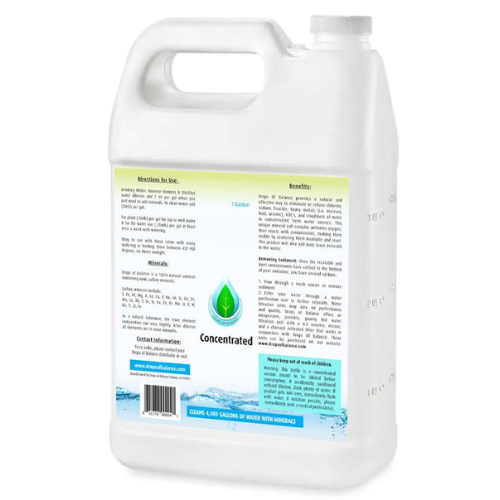
For the serious gardener, we recommend the 1-Gallon Concentrate or even the 5-Gallon Double Concentrate.

The Step-by-Step Protocol:
- The Mix: For garden use, you only need about 0.5 ml of Drops of Balance per gallon of tap water. If you’re using a 50-gallon rain barrel or a large reservoir, the 1-gallon concentrate can treat up to 7,500 gallons of water.
- The Foliar Spray: To give your plants an immediate mineral boost and help them recover from fluoride damage, mix 2ml per gallon and use it as a foliar spray. This allows the plant to absorb trace minerals directly through the stomata in the leaves.
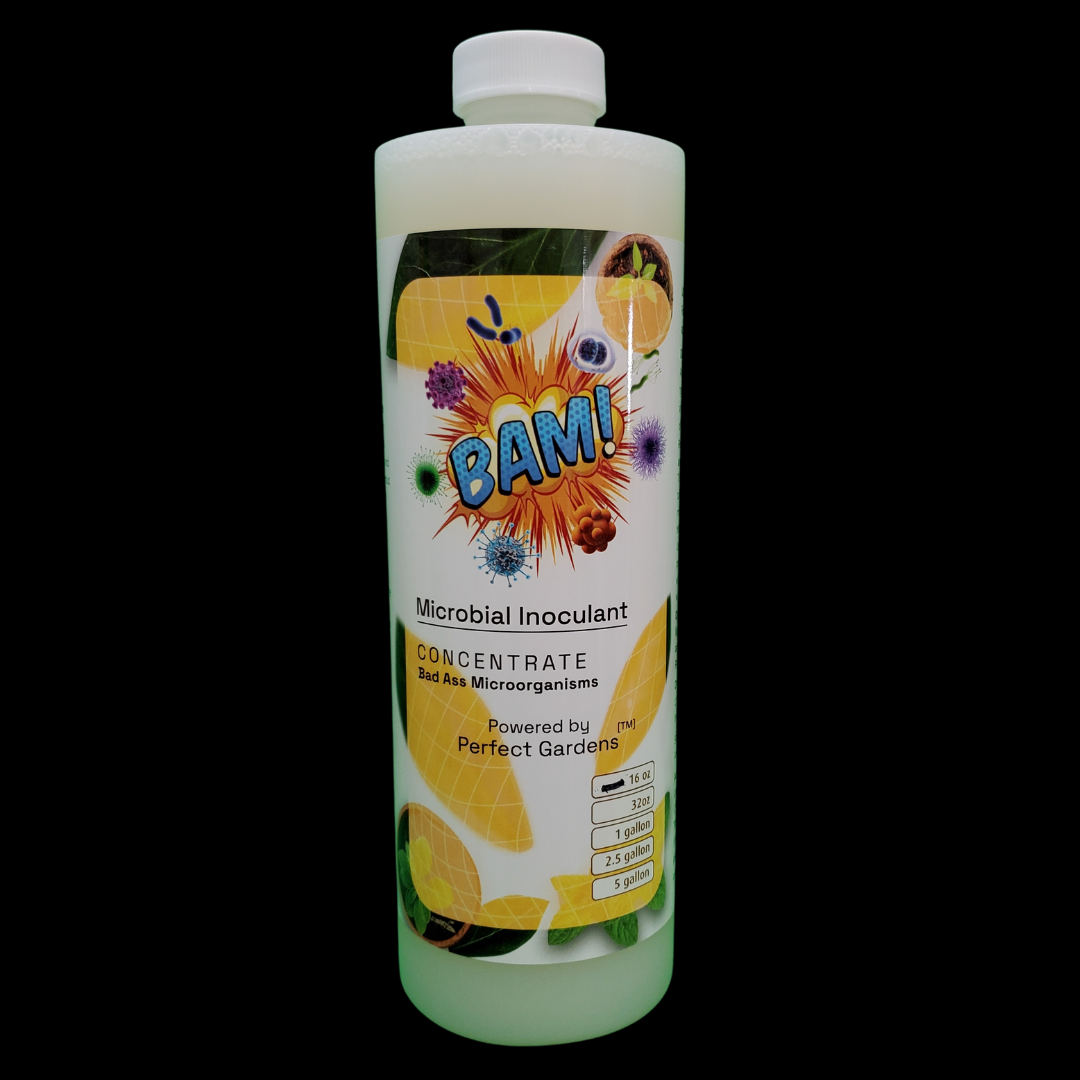
- The Soil Reset: If you’ve been using straight tap water all season, your soil microbes might be struggling. Use BAM! Microbial Inoculant alongside your mineral-treated water to kickstart the microbial population.
Why This Matters for Your Health
We often talk about the "Brix" level of a plant: a measurement of the sugar and mineral solids in the plant's sap. High-Brix plants are not only more resistant to insects and disease, but they are also more nutrient-dense.
When you remove fluoride from water and replace it with a full spectrum of minerals, you are essentially bio-fortifying your food. The trace minerals in Drops of Balance: like magnesium, calcium, and iron: end up in the tomatoes, peppers, and greens on your dinner table.
You aren't just growing a garden; you're growing a pharmacy.
Final Thoughts: Don't Let Your Hose Sabotage Your Harvest
Spring is a time of renewal, but it’s also a time of high vulnerability for young plants. Every time you turn on that hose, you are making a choice. You can continue to introduce low-level toxins that stunt growth and kill soil life, or you can take control of your water treatment for plants.
By neutralizing fluoride and chlorine, you allow your garden to reach its genetic potential. You’ll see it in the size of the harvest, and you’ll definitely taste it in the quality of the produce.
Ready to give your garden the upgrade it deserves? Start with our Complete Water and Soil Treatment Bundle to ensure your spring veggies have everything they need to thrive.
Let’s stop watering with chemicals and start watering with life.
For more information on mineral deficiencies and how they affect both plants and people, check out our guide on Mineral Deficiencies or browse our full collection of mineral concentrates.