

Bringing the Garden Indoors: Mineral Secrets for Houseplant Success
As the calendar turns toward mid-September, the shift in seasons becomes tangible. For plant enthusiasts, this period marks a critical transition: the migration of outdoor container gardens back into the controlled environment of the home. While moving a pot from the porch to the living room seems simple, it triggers a complex biological response within the plant known as transplant shock.
To ensure your indoor jungle doesn't just survive but thrives through the winter, we must look beyond basic watering schedules. The secret to resilience lies in the chemical composition of the water and the mineral density of the soil. In this guide, we will explore the science of mineralized water, the physiological needs of indoor plants, and how to mitigate the stressors of the "Great Indoors."
The Physiology of Transition: Understanding Transplant Shock
When a plant moves from an outdoor environment to an indoor one, it experiences a drastic change in several environmental variables: light intensity, humidity, temperature fluctuations, and airflow. Even a bright window indoors provides only a fraction of the photosynthetically active radiation (PAR) found in open shade outdoors.
This sudden change forces the plant to recalibrate its metabolic processes. During this "shock" phase, the plant may drop leaves, exhibit wilting, or stop growing entirely. From a scientific perspective, this is often a result of a disruption in the plant’s osmotic pressure and a decrease in its ability to transport nutrients efficiently.
To combat this, the plant requires high bioavailability of micronutrients. Trace minerals act as catalysts for enzymatic reactions that help the plant synthesize the proteins needed to adapt to lower light levels. Without these mineral "keys," the plant’s metabolic engine stalls.
The Tap Water Paradox: Why Your Water Might Be Part of the Problem
Most homeowners rely on municipal tap water to hydrate their indoor gardens. However, tap water is chemically treated for human safety, not plant health. Chlorine and fluoride are common additives that, while effective at killing pathogens, can be toxic to sensitive houseplants over time.
Furthermore, tap water often contains "hard" minerals like calcium carbonate and magnesium in a form that is not easily absorbed by plant roots. As water evaporates from the soil, these minerals can build up, creating a saline environment that inhibits water uptake, a phenomenon known as physiological drought. You may notice this as a white crust on the soil surface or the edges of your clay pots.
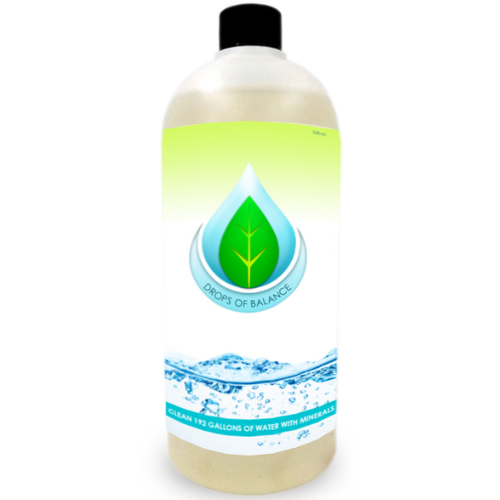
By using a solution like Drops of Balance, you can transform standard tap water into a mineral-rich, bioavailable resource. The process of mineral-based water treatment involves flocculation, a scientific process where the mineral solution binds to contaminants (like heavy metals and chemicals), causing them to settle out of the water. What remains is a purified water source enriched with ionic sulfate minerals that plants can immediately utilize to strengthen their cellular walls.
Mineral Secrets: The Role of Ionic Trace Minerals
Research into plant biology has long emphasized the "Big Three" nutrients: Nitrogen, Phosphorus, and Potassium (N-P-K). While these are essential for bulk growth, they are only part of the story. For houseplants to maintain their vibrant green color and structural integrity, they require an array of trace elements including manganese, zinc, iron, and boron.
Rock Dust and Mineral Substrates
In the wild, plants have access to a continuous supply of minerals through the natural weathering of rocks. In a pot, however, the soil is a finite resource. Once the initial nutrients in the potting mix are depleted, the plant becomes entirely dependent on the grower.
Adding mineralized rock dust to your potting soil can provide a slow-release source of micronutrients. However, for an immediate boost during the transition indoors, liquid mineral concentrates are superior. Ionic minerals, minerals that are dissolved in water and carry an electrical charge, are more easily transported across the semi-permeable membranes of the root hairs. This ensures that even when the plant’s metabolism is slowed by lower indoor light, it can still "feed" effectively.

Maximizing Air Purification with Healthy Plants
One of the primary reasons we bring plants indoors, aside from their aesthetic value, is their ability to act as natural air purifiers. NASA’s Clean Air Study famously demonstrated that certain houseplants, such as the Snake Plant, Peace Lily, and Spider Plant, can remove Volatile Organic Compounds (VOCs) like formaldehyde and benzene from the air.
However, a plant’s air-purifying capacity is directly proportional to its health. The purification process doesn't just happen through the leaves; it happens largely through the microbial activity in the root zone (the rhizosphere).
When you water your plants with mineralized water and maintain a healthy mineral balance, you are supporting the "lungs" of your home. A mineral-deficient plant has a lower rate of transpiration, meaning it moves less air through its system and, consequently, removes fewer toxins. By keeping your plants at peak physiological health using mineral secrets, you are directly improving the air quality of your living space.
The Synergistic Effect: Minerals and Microbes
To truly unlock the potential of your indoor garden, you must consider the relationship between minerals and beneficial bacteria. In a natural ecosystem, microbes break down minerals into a form that plants can digest.
When transitioning plants indoors, the microbial population in the soil often suffers due to the lack of natural environmental inputs. This is where a microbial inoculant like BAM! (Beneficial Adaptive Microbes) becomes invaluable.
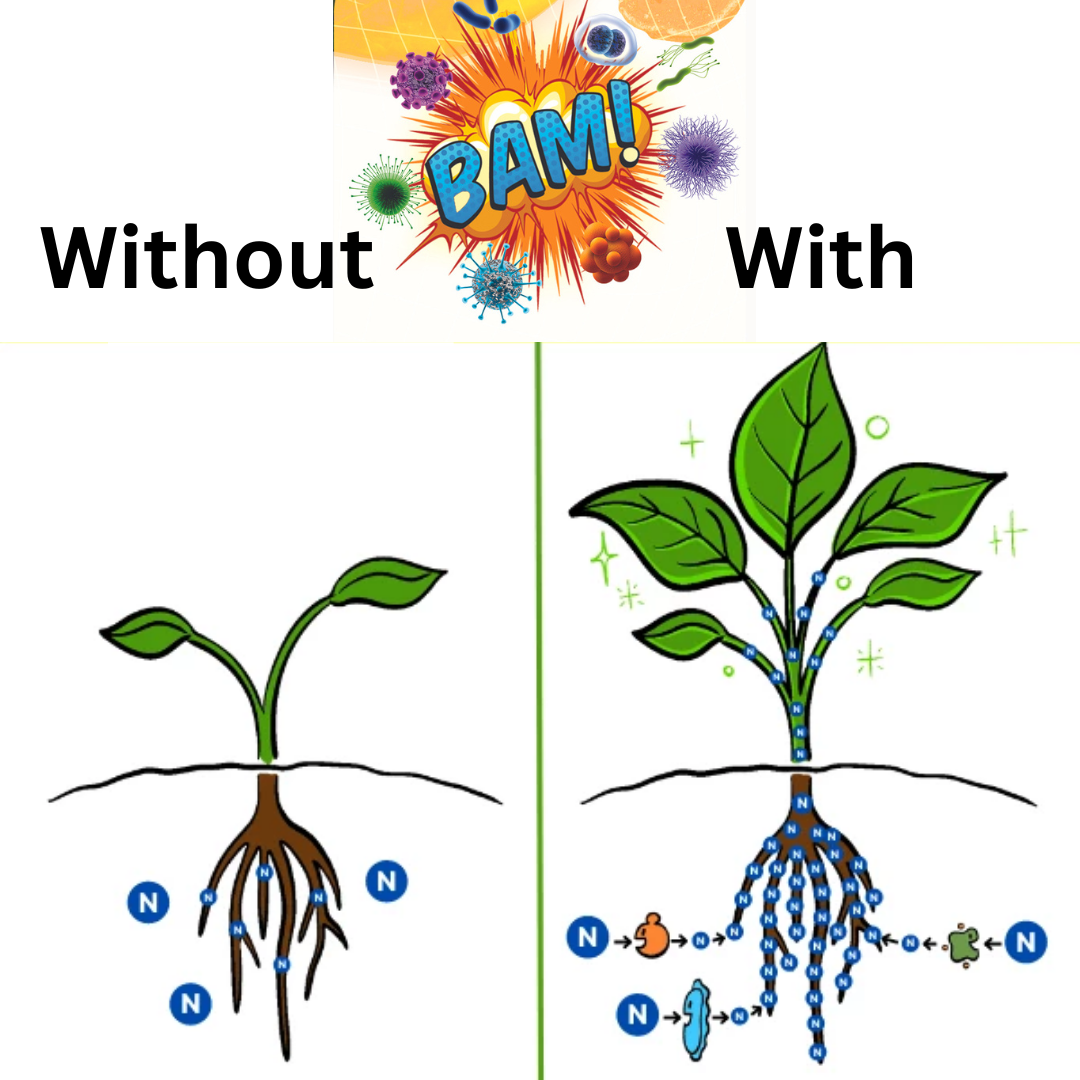
As shown in the comparison above, plants treated with a combination of minerals and microbes show significantly more robust root systems and larger leaf surface areas. The microbes facilitate the uptake of the minerals provided by Drops of Balance, creating a feedback loop of health. This synergy is particularly important for reducing transplant shock; the microbes help the plant "settle" into its new environment by regulating the soil chemistry and protecting the roots from opportunistic pathogens that often strike stressed plants.
A Protocol for Indoor Success
To prepare your plants for their move inside this September, follow this scientifically-backed protocol:
- Mineral Loading: Two weeks before the move, begin watering with a slightly higher concentration of Drops of Balance mineral solution. This builds up the plant’s internal mineral reserves.
- Pest Inspection and Prevention: Before bringing pots inside, treat them with a natural pest control solution. Indoor environments lack the predatory insects that keep pests in check outdoors. Check our pest control collection for options that won't compromise your indoor air quality.
- The "Slow Move": If possible, move your plants to a shaded area outdoors for a few days before bringing them all the way inside. This helps the plant begin its adaptation to lower light levels.
- Foliar Feeding: Use a diluted mineral spray on the leaves. Plants can absorb minerals through their stomata, providing a quick nutrient boost that bypasses the roots if the plant is experiencing temporary root dormancy due to shock.
- Microbial Inoculation: Apply BAM! Microbial Inoculant during the first watering inside. This stimulates the rhizosphere and helps the plant process the minerals in the new environment.

Long-Term Maintenance: The Importance of Wiping Leaves
Once your plants are settled, mineral management remains a priority. As discussed in recent botanical research, mineral deposits from hard water can accumulate on leaves, especially if you mist your plants. These white spots aren't just an aesthetic issue; they can physically block the stomata (the "pores" of the plant), reducing the efficiency of photosynthesis and gas exchange.
Use a soft cloth dampened with distilled water or water treated with Drops of Balance to gently wipe the leaves once a month. This removes dust and mineral buildup, ensuring the plant can breathe and purify your air at maximum capacity.
Conclusion
Bringing the garden indoors is a rewarding ritual that allows us to stay connected to nature during the colder months. By understanding the mineral secrets of plant success, we can move beyond the "survive" mentality and help our indoor foliage truly flourish.
Remember, water is the medium through which all life processes occur. By ensuring that water is clean, mineralized, and bioavailable, you are providing your houseplants with the foundation they need to resist shock and keep your indoor air fresh and vibrant.
Explore our full range of water and soil treatment solutions to give your plants the mineral advantage they deserve this season. From 16oz concentrate bottles to complete enzyme and microbial packages, we have everything you need to become an expert indoor gardener.