
Is Rainwater Safe to Drink?
Rainwater represents one of nature's most fascinating paradoxes: while it begins as some of the purest water available on Earth, atmospheric contamination has transformed it into a potentially hazardous drinking source in most regions worldwide. Understanding the science behind rainwater contamination reveals critical insights about air pollution, chemical persistence, and the necessity of proper water treatment.
The PFAS Crisis in Global Rainwater
Modern atmospheric research has uncovered an alarming reality: perfluoroalkyl and polyfluoroalkyl substances (PFAS), commonly known as "forever chemicals," now contaminate rainwater globally. These synthetic compounds, developed over the past 120 years for ultra-durable plastic applications, have achieved worldwide atmospheric distribution through oceanic evaporation cycles.
PFAS levels in rainwater frequently exceed Environmental Protection Agency (EPA) safe drinking water standards by substantial margins. Current EPA guidelines establish maximum safe levels ranging from 0.004 parts per trillion for PFOA to 2,000 parts per trillion for PFBS. According to peer-reviewed atmospheric studies, rainwater samples collected worldwide consistently demonstrate PFAS concentrations that would classify the water as unsafe for direct consumption under current regulatory frameworks.
The persistence of PFAS in environmental systems creates a continuous contamination cycle. These chemicals resist natural degradation processes, accumulating in atmospheric moisture through sea spray evaporation, subsequently seeding precipitation events, and returning to terrestrial surfaces through rainfall. This mechanism ensures global distribution of PFAS contamination, affecting even remote regions with minimal industrial activity.
Heavy Metal Contamination Through Acid Rain
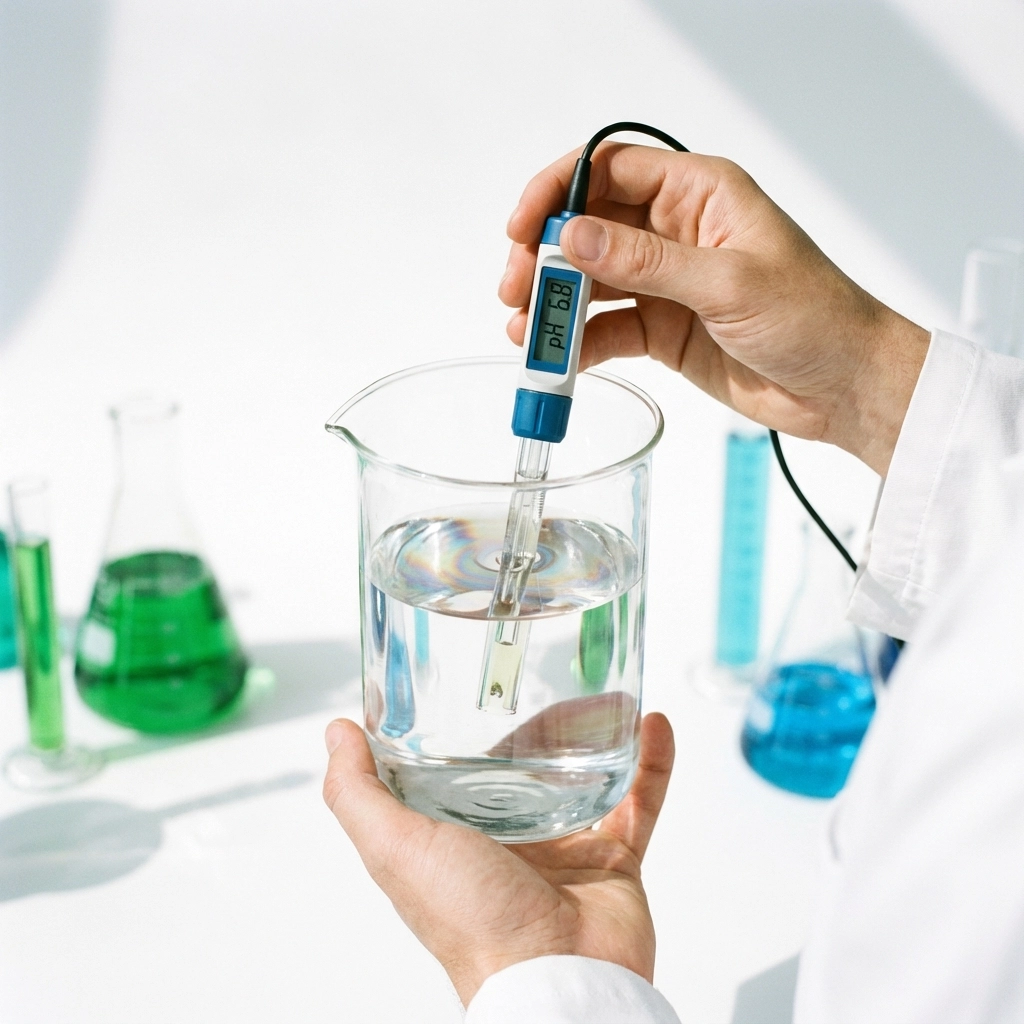
Atmospheric pollution contributes to rainwater contamination through multiple pathways, with acid rain representing a particularly significant mechanism. When atmospheric moisture absorbs sulfur dioxide, nitrogen oxides, and other industrial pollutants, the resulting precipitation exhibits decreased pH levels, typically falling below 5.0 in heavily industrialized regions.
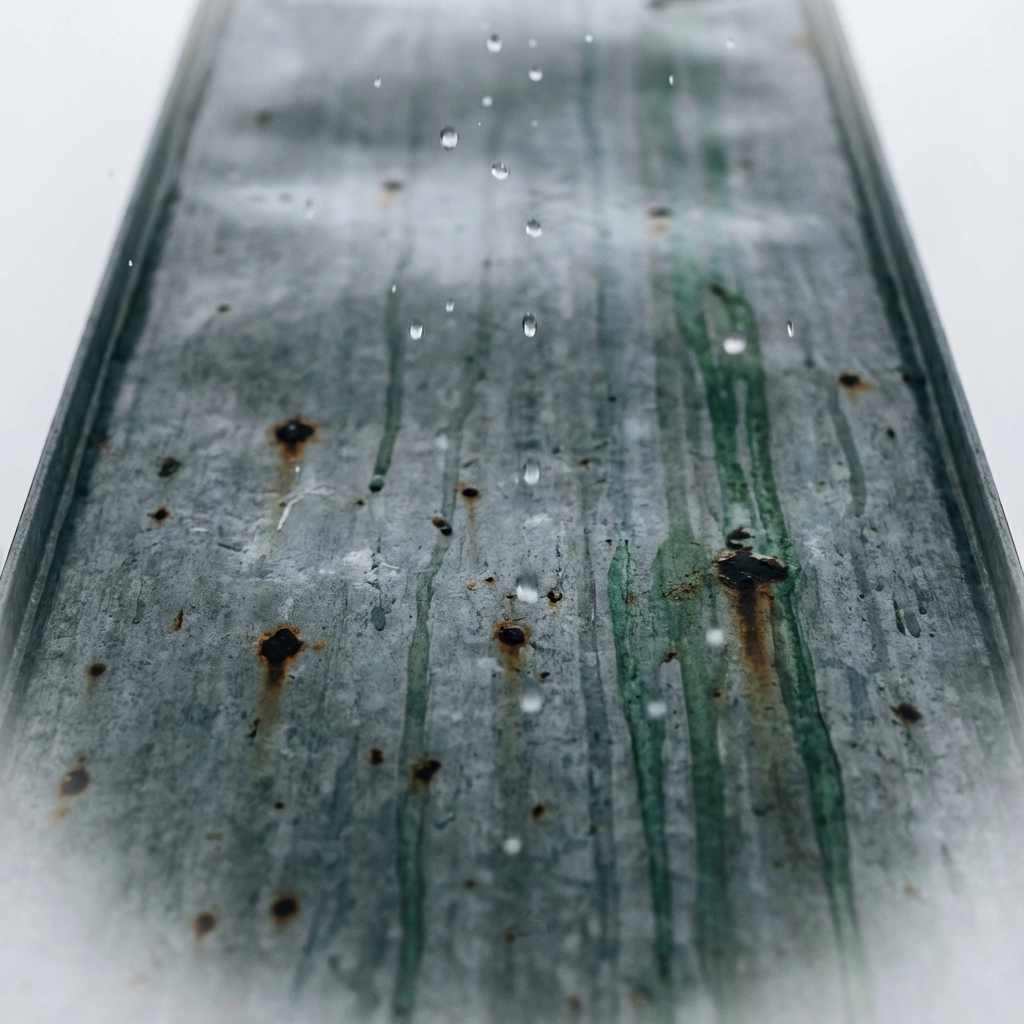
This acidification dramatically increases the solubility of toxic heavy metals, particularly lead, cadmium, and mercury. Research demonstrates that lead concentrations in rainwater exposed to zinc roofing systems can reach 131.7 micrograms per liter: more than thirteen times the World Health Organization's recommended maximum of 10 micrograms per liter.
The correlation between acid rain exposure and heavy metal contamination extends beyond collection surfaces. Acidic precipitation enhances the leaching of metals from atmospheric particulates, soil systems, and infrastructure materials, creating complex contamination profiles that vary significantly based on geographic location and local pollution sources.
Biological Contamination Risks
Beyond chemical contaminants, rainwater presents substantial biological hazards. Atmospheric moisture can harbor pathogenic bacteria, viruses, and parasitic organisms, particularly in regions with significant animal populations or inadequate sanitation infrastructure. Historical epidemiological data links rainwater consumption to various infectious disease outbreaks, including cholera, typhoid, and parasitic infections.
Contamination occurs through multiple vectors: airborne microbial transport, contact with contaminated collection surfaces, and post-collection storage in inadequate systems. The risk profile increases substantially in urban environments, where atmospheric particulates provide nucleation sites for microbial attachment and transport.
The Science of Water Purification
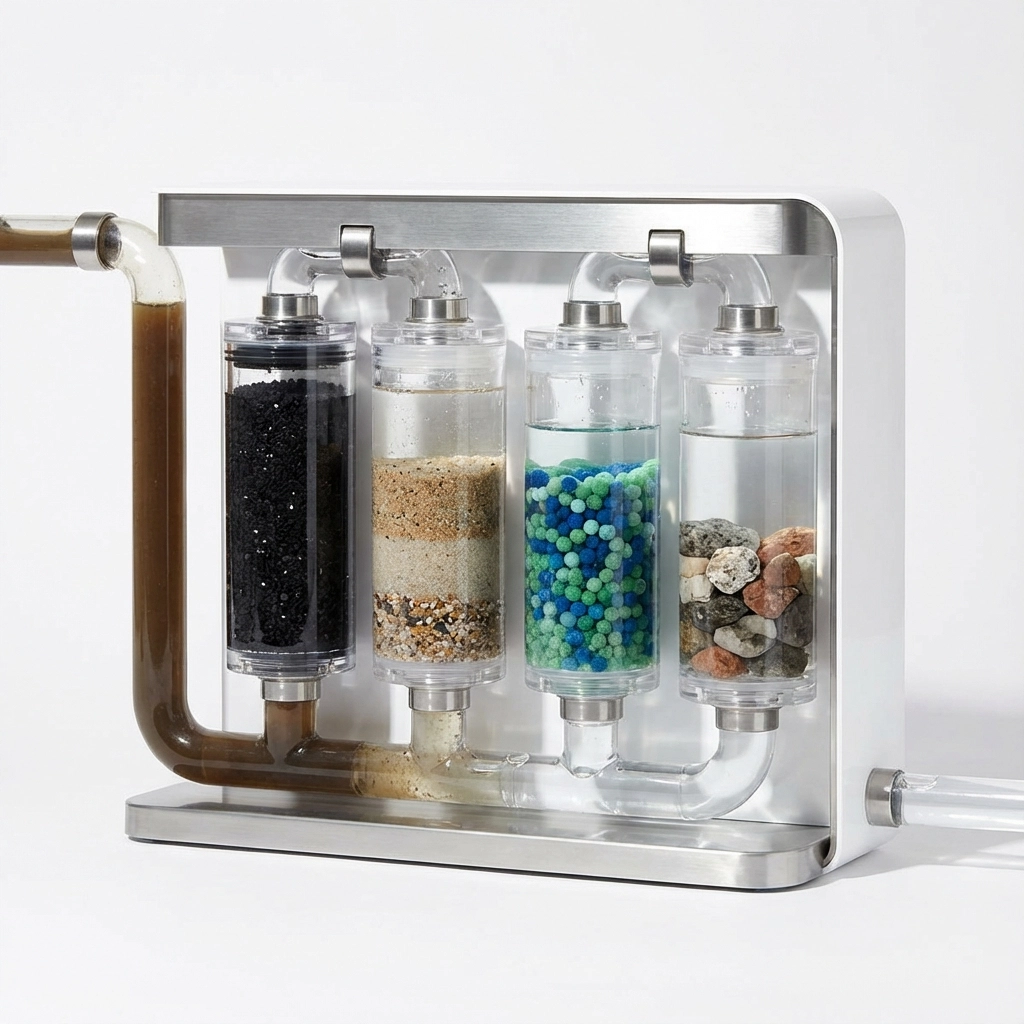
Effective rainwater purification requires understanding the specific contamination mechanisms involved. Multi-stage treatment protocols address different contaminant categories through targeted removal processes:
PFAS Removal: Activated carbon filtration demonstrates effectiveness in reducing PFAS concentrations, though specialized carbon types may be required for optimal removal efficiency. Ion exchange resins and reverse osmosis systems also show promise for PFAS reduction.
Heavy Metal Remediation: Research indicates that combined mollusk sand filtration and activated carbon absorption can achieve 99.7% lead removal efficiency, reducing concentrations from 131.7 micrograms per liter to 0.69 micrograms per liter, well within WHO safety guidelines.
Biological Decontamination: Heat treatment, ultraviolet irradiation, and chemical disinfection effectively eliminate microbial contaminants. However, these methods must be properly sequenced to avoid creating harmful byproducts.
Advanced Treatment Solutions
Modern water treatment technology offers sophisticated approaches to rainwater purification. Drops of Balance mineral solutions provide comprehensive treatment capabilities, removing harmful chemicals while simultaneously replenishing essential trace minerals depleted during purification processes.
The science behind mineral balancing recognizes that effective water treatment extends beyond contaminant removal. Pure water lacking essential minerals can create electrolyte imbalances and interfere with proper hydration at the cellular level. Professional-grade treatment systems address this by incorporating bioavailable mineral supplementation during the purification process.
For large-scale applications, concentrated treatment solutions like the 64-ounce Drops of Balance formula can treat up to 1,893 gallons of tap water for drinking applications, making comprehensive rainwater treatment economically viable for residential and small commercial applications.
Health Implications of Contaminated Rainwater
Consumption of contaminated rainwater presents both acute and chronic health risks. PFAS exposure correlates with immune system disruption, cardiovascular complications, reduced fertility, and developmental disorders in children. The persistent nature of these chemicals means that even low-level chronic exposure can result in bioaccumulation over time.
Heavy metal contamination poses additional risks, including neurological damage, kidney dysfunction, and cardiovascular disease. Lead exposure is particularly concerning for developing nervous systems, with no established safe exposure threshold for children.
Biological contaminants can cause immediate gastrointestinal illness, but may also contribute to long-term health complications through chronic inflammatory responses and microbiome disruption.
Geographic Variability in Contamination
Rainwater safety varies dramatically based on geographic location and local environmental conditions. Urban areas typically exhibit higher chemical contamination levels due to industrial emissions, vehicle exhaust, and infrastructure degradation. Rural regions may show lower chemical contamination but higher biological contamination risks from agricultural runoff and animal populations.
Coastal areas face unique challenges from marine-derived PFAS contamination, while mountainous regions may experience acid rain concentration effects due to orographic precipitation patterns. Understanding local contamination profiles is essential for designing effective treatment protocols.

Practical Implementation Strategies
Effective rainwater utilization requires systematic approaches to collection, treatment, and monitoring. First-flush diversion systems remove initial contaminated water, while proper storage prevents post-collection contamination. Multi-stage filtration addressing chemical, biological, and mineral balance considerations ensures comprehensive treatment.
For households considering rainwater systems, starting with smaller treatment volumes using solutions like the 2-ounce Drops of Balance formula allows for testing and optimization before scaling up to larger systems.
Regular water quality testing remains essential, as atmospheric contamination patterns can change based on seasonal variations, weather patterns, and regional pollution sources.
Future Considerations
Emerging research continues to identify new atmospheric contaminants, including microplastics, pharmaceutical compounds, and novel industrial chemicals. Climate change may alter precipitation patterns and contamination transport mechanisms, potentially affecting regional water quality profiles.
Advanced treatment technologies, including photocatalytic degradation and specialized membrane systems, offer promising solutions for emerging contaminants. However, the fundamental principle remains consistent: untreated rainwater should not be considered safe for direct consumption in most contemporary environments.
The intersection of atmospheric science, environmental chemistry, and public health continues to reveal the complex relationships between air quality and water safety. While rainwater begins as nature's distilled water, modern contamination realities necessitate sophisticated treatment approaches to restore its safety for human consumption.
Understanding these scientific principles empowers individuals and communities to make informed decisions about rainwater utilization while implementing appropriate safety measures to protect public health.