
Does Water Quality Really Matter for Organic Gardening in 2026? Here's the Truth
You've done everything right. Organic seeds? Check. Composted soil? Check. Perfect sunlight exposure? Check. Yet somehow, your garden still isn't thriving the way you expected.
Here's the uncomfortable truth most organic gardeners don't want to hear in 2026: the water you're using might be sabotaging all your hard work. And no, we're not just talking about obviously contaminated water. We're talking about the "clean" water coming straight from your tap.
Let's dig into why water quality has become the most underrated factor in organic gardening success, and what you can actually do about it without breaking the bank.
The "Clean Water" Myth That's Killing Your Garden
When most people think about water quality, they imagine murky, obviously polluted water. If it looks clear and comes from a municipal source, it must be fine for plants, right?
Not exactly.
Municipal water treatment facilities do an excellent job of making water safe for human consumption. They eliminate harmful bacteria and pathogens that could make us sick. But here's the catch, the very chemicals used to achieve this safety come with significant drawbacks for your organic garden.
Chlorine and chloramine are added to kill microorganisms in your drinking water. Fluoride is added for dental health purposes. These additives serve their intended purpose for human use, but when that same water hits your garden soil, something problematic happens.
Your soil is alive. Or at least, it should be.
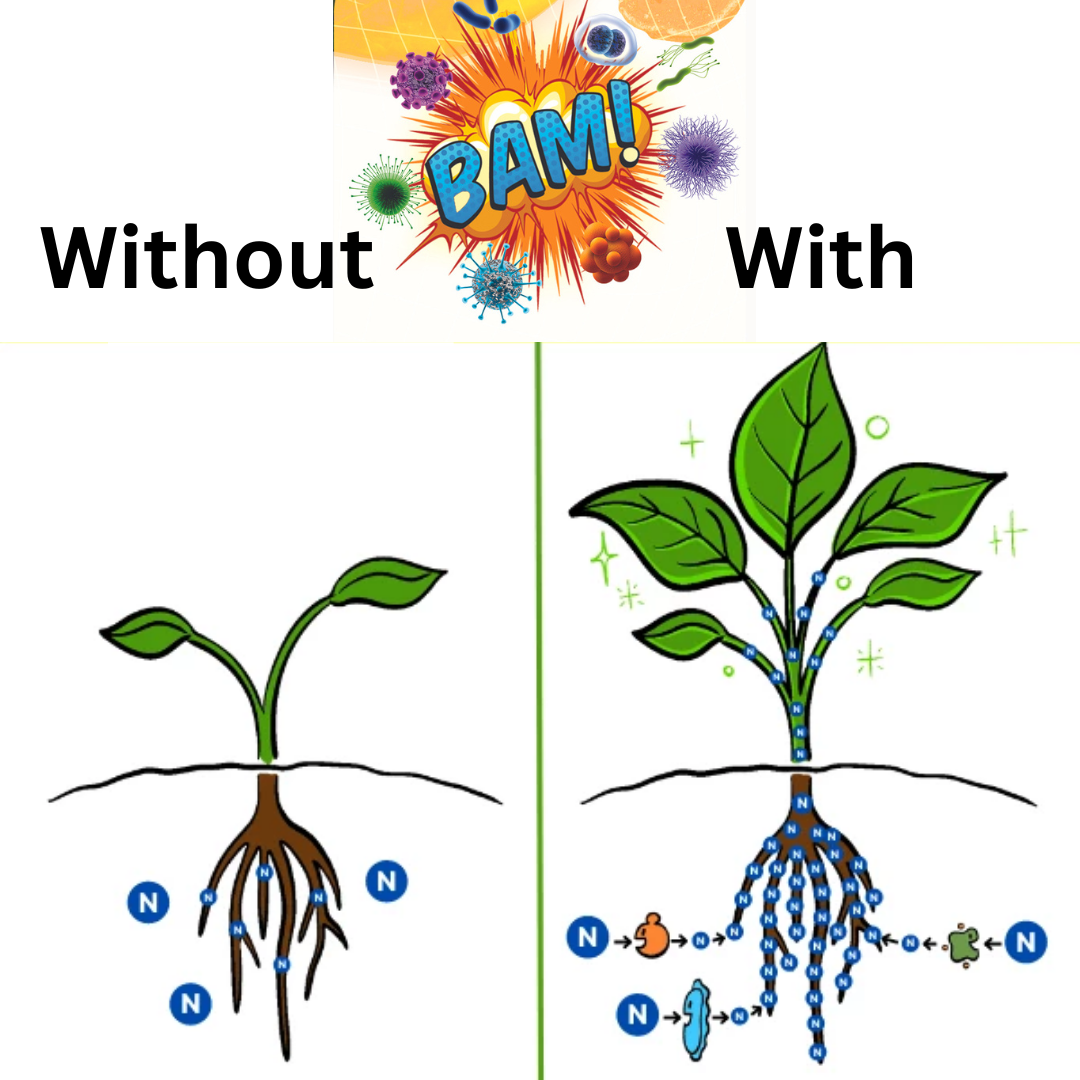
Healthy organic soil teems with billions of beneficial microorganisms, bacteria, fungi, protozoa, and nematodes that form the foundation of plant nutrition. These microscopic workers break down organic matter, fix nitrogen, and make nutrients bioavailable to your plant roots.
When you water with chlorinated, fluoridated tap water, you're essentially carpet-bombing this living ecosystem with antimicrobial agents.
What Chlorine and Fluoride Actually Do to Soil Biology
Research has consistently demonstrated that chlorine functions as a broad-spectrum biocide. It doesn't discriminate between harmful pathogens and beneficial soil organisms. When chlorinated water saturates your garden beds, it disrupts the delicate microbial balance that organic gardening depends upon.
The effects include:
- Reduced microbial activity: Beneficial bacteria populations decline, slowing nutrient cycling
- Compromised mycorrhizal networks: The fungal partnerships that extend root systems and improve nutrient uptake become damaged
- Altered soil pH: Chemical additives can shift soil chemistry over time
- Nutrient lockout: Even when nutrients are present, stressed microbial communities can't make them available to plants
Fluoride presents its own set of challenges. While concentrations in municipal water typically range from 0.5 to 1.0 ppm, this level can accumulate in soil over repeated waterings. Studies indicate that fluoride accumulation interferes with enzyme activity in both soil organisms and plants themselves.
The result? Plants that look okay on the surface but underperform in growth, yield, and nutritional density. Your tomatoes might grow, but they won't reach their genetic potential. Your leafy greens might survive, but they'll contain fewer of the trace minerals that make homegrown produce superior to store-bought.
Why Standard Filtration Falls Short
At this point, you might be thinking about investing in a filtration system. Carbon filters, reverse osmosis units, and whole-house systems all have their place. But for organic gardeners, they present a significant problem.
Most effective filtration systems remove everything from water, including the beneficial minerals your plants actually need.
Reverse osmosis, for example, produces water that's essentially "dead." It's stripped of chlorine and fluoride, yes, but also calcium, magnesium, iron, and the dozens of trace minerals that contribute to plant health and soil vitality. Watering with RO water long-term can actually deplete your soil's mineral content.
Then there's the cost factor. Quality whole-house filtration systems run anywhere from $1,000 to $5,000+ for installation. Even countertop RO units cost several hundred dollars, require filter replacements, and waste significant amounts of water in the filtration process.
For gardeners watering hundreds or thousands of gallons throughout a growing season, these solutions become impractical quickly.

The Two-Part Problem Requires a Two-Part Solution
Effective water treatment for organic gardening needs to accomplish two things simultaneously:
- Neutralize harmful additives like chlorine, chloramine, and fluoride
- Restore beneficial minerals that support soil biology and plant nutrition
This is where most gardeners get stuck. Letting water sit out overnight (a common recommendation) only addresses chlorine: it does nothing for chloramine or fluoride. Adding mineral supplements to untreated water means those minerals compete with toxins for uptake.
Drops of Balance was formulated specifically to address this dual challenge. The concentrated mineral solution neutralizes chlorine, fluoride, and other common water additives by up to 99.9% while simultaneously adding back essential trace minerals that plants need for optimal growth.
How Mineral-Rich, Toxin-Free Water Transforms Your Garden
When you eliminate the chemical stressors and provide mineral-rich water, several measurable changes occur in your garden ecosystem:
Soil microbe populations rebound. Without regular chlorine exposure, beneficial bacteria and fungi can establish stable, thriving communities. This improved soil biology means better nutrient cycling and disease suppression: two hallmarks of successful organic gardening.
Root systems expand. Mycorrhizal fungi form symbiotic relationships with plant roots, effectively extending the root zone and improving water and nutrient access. These partnerships are sensitive to chemical stress and flourish when water quality improves.
Nutrient density increases. Trace minerals like zinc, manganese, copper, and boron play crucial roles in plant enzyme systems and metabolic processes. When these minerals are present in irrigation water, plants can access them directly, even if soil reserves are depleted.
Plant resilience improves. Well-mineralized plants with healthy root systems demonstrate better resistance to drought stress, pest pressure, and disease. The overall vitality of your garden increases noticeably.
For a deeper understanding of how trace minerals influence plant health, check out our guide on unlocking your garden's full potential with trace minerals.
Practical Application: Making the Switch
Transitioning to treated water doesn't require overhauling your entire gardening routine. The process is straightforward:
For tap water treatment, you simply add the appropriate amount of Drops of Balance to your watering can, irrigation reservoir, or hose-end sprayer. The solution works within minutes, neutralizing toxins and infusing minerals before the water reaches your plants.
The cost comparison is significant. Treating water with Drops of Balance costs a fraction of what filtration systems require: both upfront and over time. A single 2oz bottle treats up to 64 gallons of tap water for plants, making it one of the most economical water treatment options available for gardeners.
If you're currently using RO or distilled water, Drops of Balance serves a different but equally important function: remineralizing that "dead" water with the trace elements your plants need to thrive.
The Bottom Line for 2026 Organic Gardeners
Water quality isn't just another variable to consider: it's foundational to everything else you're doing in your organic garden. The healthiest soil amendments, the best organic seeds, and perfect growing conditions all depend on water that supports rather than undermines your efforts.
The science is clear: chlorine and fluoride in municipal water supplies harm the beneficial soil organisms that organic gardening relies upon. And while "clean" tap water might be safe for drinking, it's actively working against the living ecosystem you're trying to cultivate.
The good news? Addressing this issue doesn't require expensive equipment or complicated systems. A simple, mineral-based water treatment like Drops of Balance neutralizes the problematic chemicals while adding back what your plants actually need.
If you've been struggling to achieve the results you know your organic garden is capable of, water quality might be the missing piece. Your soil microbes: and your harvest: will thank you for making the change.
Ready to learn more about removing fluoride and other contaminants from your garden water? Read our complete guide on how to remove fluoride from water for plants for additional strategies and insights.