

Drought Resilience: Building Soil Structure Before the Winter Freeze
As the autumn air begins to crisp and the days grow shorter, most gardeners and agriculturalists begin to eye the calendar for the first frost. While the harvest is often the primary focus in September, the window of time before the winter freeze is actually the most critical period for long-term soil management.
Drought resilience is not a quality that can be "switched on" when the heat of July arrives. It is a biological and structural state of the soil that is built during the off-season. By focusing on mineralization and soil structure now, you are essentially building a subterranean reservoir that will protect your plants from the desiccating winds of winter and the inevitable dry spells of the coming spring.
The Science of Soil Structure and Water Retention
Soil is not just "dirt"; it is a complex matrix of mineral particles, organic matter, air, and water. The arrangement of these components is what scientists call "soil structure." When soil has good structure, it forms aggregates: clumps of particles that stick together. These aggregates create a network of macro-pores (large spaces for air and water movement) and micro-pores (small spaces for water storage).
In a drought scenario, soil without structure collapses. It becomes compacted, preventing water from infiltrating and causing surface runoff. Conversely, soil with high mineral content and robust biological activity acts like a sponge.
Flocculation and the Role of Minerals
One of the primary mechanisms for building soil structure is a process called flocculation. This occurs when individual clay particles are attracted to one another to form larger clusters. This process is driven by the presence of multivalent cations: minerals like calcium, magnesium, and various trace elements.
When you introduce a concentrated mineral solution like Drops of Balance, you are providing the ionic charge necessary to facilitate this clumping. These minerals act as the "bridge" between soil particles. Without adequate mineralization, soil particles remain dispersed, leading to a "tight" soil that cannot hold moisture or allow roots to breathe.
Why September Mineralization Matters
You might wonder why we emphasize mineralization in late September rather than waiting for the spring thaw. The answer lies in the biological activity that occurs while the soil is still warm.
Even as the air temperature drops, the soil retains thermal energy. During this period, soil microbes are still active, processing organic matter and integrating minerals into the soil profile. By applying minerals now, you allow them to move deep into the root zone with the autumn rains. This ensures that when the winter freeze occurs, the soil is structurally sound and chemically balanced.
Preventing Winter Desiccation
Winter drought, or "desiccation," is a major cause of plant loss. Even when the ground is frozen, wind and sun can pull moisture out of the plant and the top layers of soil through a process called sublimation (where ice turns directly into water vapor).
Soil that has been properly mineralized and structured holds onto "bound water" more effectively. This residual moisture remains available to the plant’s root system even in harsh conditions, preventing the roots from drying out entirely during the long freeze.
The Synergy of Minerals and Microbes
Building soil structure is not purely a chemical process; it is a biological one. While minerals provide the framework, microorganisms provide the "glue."
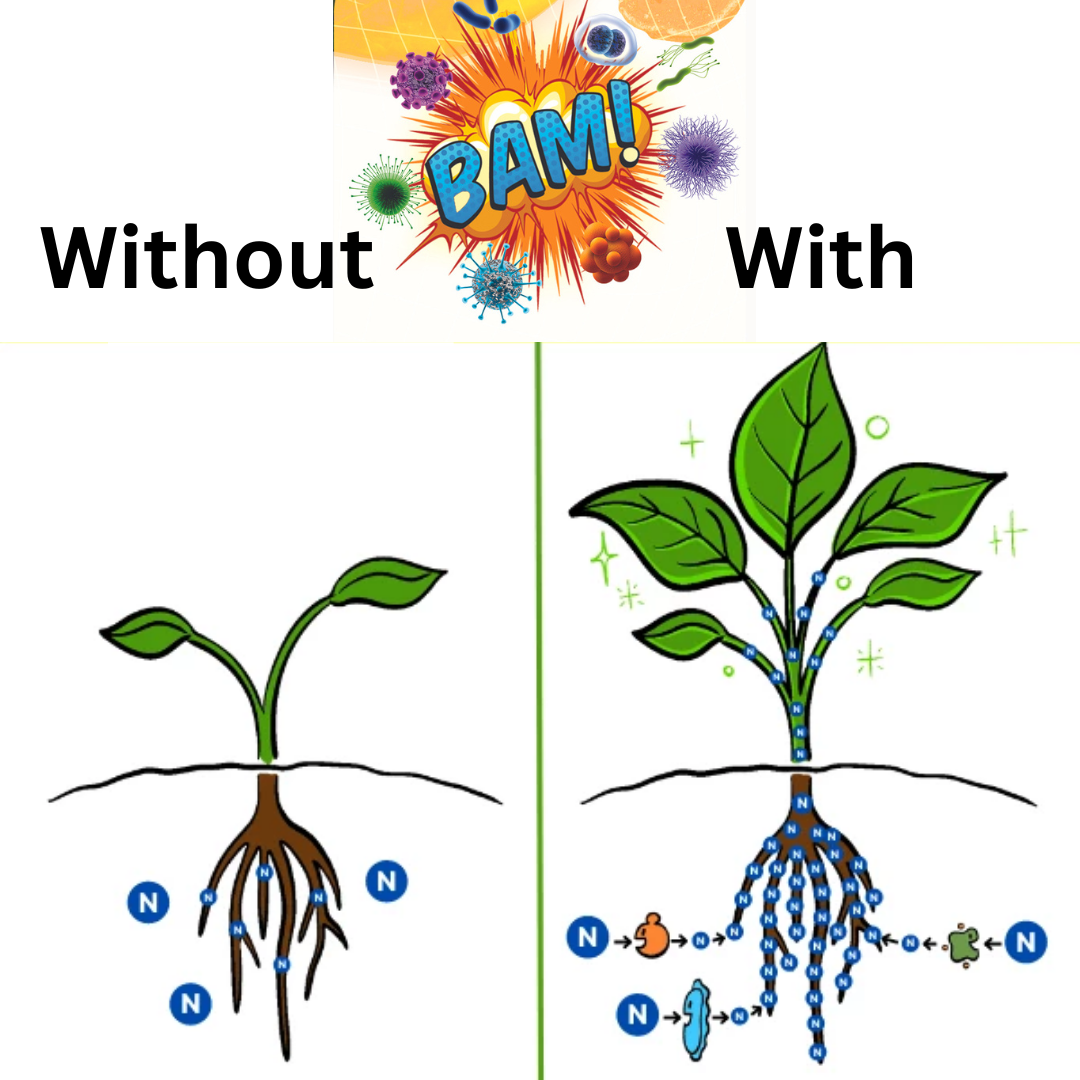
Beneficial bacteria and mycorrhizal fungi produce compounds like glomalin: a sticky protein that binds soil particles into stable aggregates. However, these microbes cannot perform their engineering feats in a mineral-deficient environment. They require trace elements to fuel their enzymatic processes.
Using a microbial inoculant such as BAM! (Beneficial Adaptive Microbes) in conjunction with mineral treatments creates a synergistic effect. The minerals stabilize the environment, while the microbes build the architecture.

By applying these together in the fall, you are populating the soil with a "cleanup crew" and "construction crew" that will work until the ground hardens, and resume their work the moment the soil hits 40°F in the spring.
Practical Steps for Building Fall Soil Resilience
To maximize the drought resilience of your land before the winter freeze, consider the following protocol:
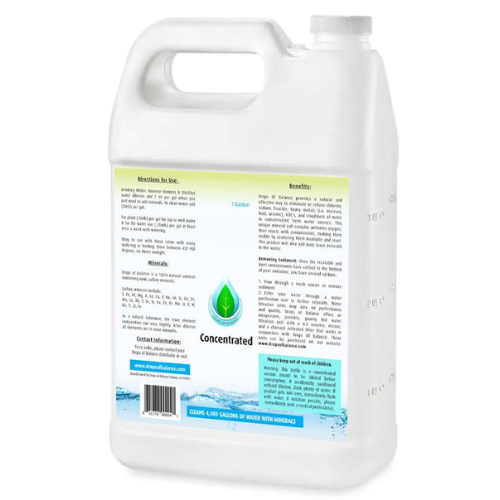
- Deep Hydration with Minerals: Before the ground freezes, perform a deep soak using mineralized water. This carries trace elements down into the subsoil. A 1-gallon concentrate of Drops of Balance can treat large volumes of water, ensuring that every drop you put into the ground is contributing to the soil's ionic balance.
- Inoculate the Root Zone: Use a microbial solution like BAM! to ensure the "biological glues" are being produced. This is particularly important if you have used synthetic fertilizers in the past, which can deplete natural microbial populations.
- Mulch for Temperature Regulation: After mineralizing and inoculating, cover the soil with organic mulch or a cover crop. This protects the microbes from extreme temperature swings and prevents the "freeze-thaw" cycle from heaving the soil and breaking the delicate aggregates you've just built.
- Avoid Tilling: Tilling breaks up the very structure you are trying to create. By allowing minerals and microbes to work naturally, you maintain the "pore pipes" that allow water to move deeply into the earth.

Suggested Image: A cross-section diagram showing well-structured soil with macro-pores and micro-pores vs. compacted soil.
The Long-Term Impact: Spring Success
When the spring thaw arrives, soil that was mineralized in the fall behaves differently than untreated soil.
First, it absorbs snowmelt more efficiently. Instead of the water running off the frozen surface, the established pore structure allows the water to penetrate deep into the profile. This "pre-loads" your soil with moisture for the coming growing season.
Second, the nutrient availability is significantly higher. The minerals applied in September have had months to become "bio-available," meaning they are in a form that plants can immediately uptake once they break dormancy.
Finally, the drought resilience is built-in. If the spring turns out to be dry, your plants have a deeper, more robust root system and a soil "sponge" that holds onto every bit of available moisture.
Scientific Consistency and Safety
At Drops of Balance, we prioritize the science of water and soil health. Our mineral solutions are rigorously tested to ensure they are free from harmful contaminants while providing the essential trace elements required for biological life. You can review our safety testing and protocols to understand the standards we maintain for both human and plant health.
Whether you are managing a small home garden or a larger agricultural operation, the principles of mineralization remain the same. The earth is a mineral-based system, and by replenishing what has been leached out or used up by previous crops, you are restoring the natural balance of the ecosystem.
Conclusion
Drought resilience is a proactive endeavor. By taking the time in late September to build soil structure through mineralization and microbial support, you are investing in the future health of your landscape. You aren't just preparing for winter; you are laying the foundation for a thriving, water-efficient, and nutrient-dense growing season next year.
For more information on how to integrate these solutions into your fall routine, visit our FAQ page or browse our complete collection of soil and water treatments. Building better soil starts with the right minerals: give your ground what it needs before the freeze sets in.