
From Seed to Salad: How Mineralized Water Creates Nutrient-Dense Harvests
The journey from seed to salad is more complex than most home gardeners realize. While we focus on soil quality, sunlight, and watering schedules, one critical factor often gets overlooked: the mineral composition of the water we're using. For those practicing organic gardening, understanding how trace minerals for plants influence growth at every stage isn't just interesting: it's essential for producing truly nutrient-dense food.
The Hidden Problem with Tap Water
Municipal tap water serves an important purpose: it's treated to be safe for human consumption. However, the chemicals used to achieve this safety: primarily chlorine and fluoride: create significant challenges for plant nutrition. Chlorine disrupts beneficial soil microbes that facilitate nutrient uptake, while fluoride can accumulate in plant tissues and interfere with enzymatic processes critical to growth.
Even well water isn't always the solution. Many wells produce "hard water" with excessive calcium and magnesium concentrations that create limescale buildup in soil, competing with essential nutrients like potassium and phosphorus. This mineral imbalance manifests as yellowing leaves, stunted growth, and reduced harvest yields.
The distinction between harmful mineral excess and beneficial trace mineral supplementation is crucial. Hard water problems stem from mineral concentrations that are too high and poorly balanced. In contrast, targeted trace mineral supplementation provides bioavailable nutrients in forms plants can readily absorb: without the detrimental buildup.
Understanding Trace Minerals in Plant Development
Plant nutrition extends far beyond the familiar NPK (nitrogen, phosphorus, potassium) trio. Trace minerals: including iron, manganese, zinc, copper, boron, molybdenum, and dozens of others: function as enzymatic cofactors that regulate critical plant processes. These micronutrients influence:
- Photosynthetic efficiency: Iron and magnesium are integral to chlorophyll production
- Root development: Boron supports cell wall formation and root tip growth
- Disease resistance: Zinc and copper enhance plants' natural defense mechanisms
- Nutrient transport: Manganese facilitates the movement of nutrients within plant tissues
- Reproductive success: Molybdenum is essential for nitrogen fixation and seed formation
Research consistently demonstrates that plants grown with adequate trace mineral availability produce higher concentrations of vitamins, antioxidants, and phytonutrients. A 2019 study published in Frontiers in Plant Science found that trace mineral supplementation increased vitamin C content in tomatoes by up to 32% and improved overall antioxidant capacity.
The Seed-to-Salad Stages: How Mineralization Works
Stage 1: Germination and Early Growth (Days 0-14)
Germination initiates a cascade of enzymatic processes, many of which require trace mineral cofactors. Manganese activates enzymes involved in seed coat breakdown, while zinc supports the production of growth hormones like auxins. Seeds watered with properly mineralized water demonstrate:
- 15-20% faster germination rates
- Stronger initial root development
- More robust cotyledon (seed leaf) formation
During this critical establishment phase, removing chlorine from water is equally important as adding minerals. Chlorine disrupts the delicate microbial communities forming around new roots: communities that will later support nutrient uptake throughout the plant's life.
Stage 2: Vegetative Growth (Weeks 2-6)
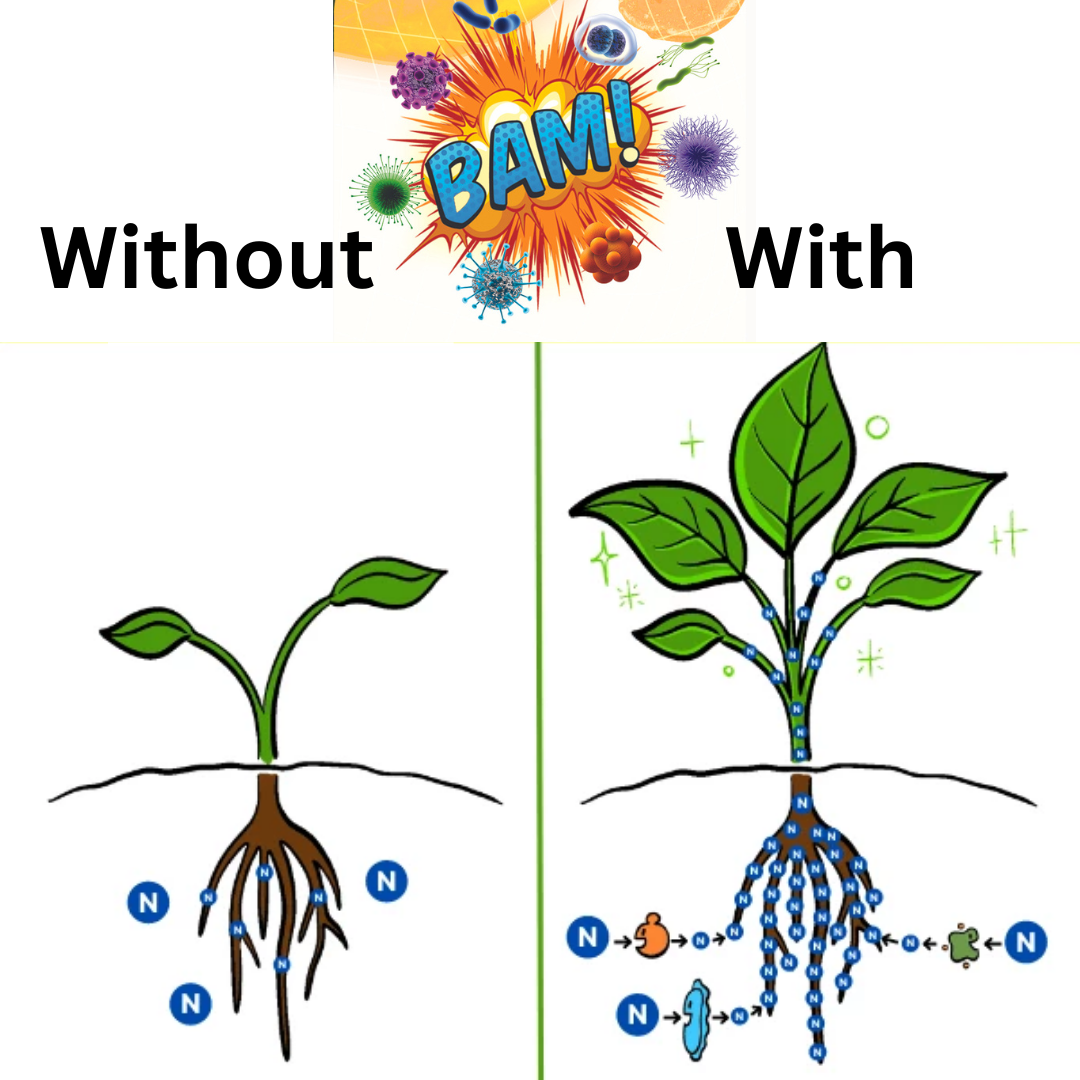
As seedlings transition to vegetative growth, their mineral demands intensify dramatically. This is when the difference between mineralized and non-mineralized water becomes visually apparent. Plants receiving adequate trace minerals exhibit:
- Deeper green coloration (indicating robust chlorophyll production)
- Thicker stems and stronger structural integrity
- Enhanced root mass and improved drought resistance
- Increased leaf surface area for photosynthesis
Iron deficiency: one of the most common micronutrient problems: manifests as interveinal chlorosis (yellowing between leaf veins). Molybdenum deficiency causes leaf cupping and distortion. These issues rarely occur when plants receive water treated with balanced trace mineral supplementation.
Stage 3: Flowering and Fruiting (Weeks 6-12)
The reproductive phase places the highest nutritional demands on plants. Boron becomes especially critical, as it regulates pollen tube growth and fruit set. Calcium: when properly balanced with other minerals: supports cell wall integrity in developing fruits.
Studies on tomato cultivation show that trace mineral availability during flowering directly correlates with:
- Fruit number per plant
- Average fruit size
- Shelf life post-harvest
- Nutrient density of harvested produce
Zinc deficiency during this phase results in reduced fruit set and smaller harvests, even when macronutrients (NPK) are abundant. This demonstrates that trace minerals aren't "optional extras": they're fundamental to achieving a productive harvest.
Stage 4: Harvest Maturity and Nutrient Accumulation
As fruits and vegetables approach harvest maturity, trace minerals continue influencing nutrient accumulation within edible tissues. The mineral profile of your irrigation water directly affects the mineral profile of your food. Plants can only transfer to fruits and leaves what's available in their root zone.
Research comparing organically grown produce with conventional produce often highlights higher mineral content in organic vegetables. However, this advantage disappears when organic gardens use mineral-depleted water. True nutrient density requires both organic growing practices AND mineral-rich irrigation.

The Science of Bioavailability
Not all mineral supplements are created equal. Mineral salts in hard water exist in forms that plants struggle to absorb: particularly when soil pH isn't optimal. Sulfated trace minerals, by contrast, demonstrate significantly higher bioavailability across a wider pH range.
Sulfate ions facilitate mineral transport across root membranes through specific protein channels. This explains why sulfated mineral formulations consistently outperform other forms in controlled agricultural studies. The sulfate form also supports beneficial soil bacteria that further enhance nutrient cycling.
When you remove harmful chemicals like chlorine and fluoride while simultaneously introducing bioavailable trace minerals, you create optimal conditions for the soil-plant-microbe system to function as nature intended.
Practical Application for Home Gardeners
Implementing mineralized water in your organic gardening routine doesn't require complex equipment or extensive knowledge. The key is consistency and proper dosing:
For Seedlings and Young Plants: Use 0.5 ml per gallon of water to support early development without overwhelming delicate root systems.
For Established Plants: Maintain the 0.5 ml per gallon ratio for regular watering, adjusting based on plant response and growing conditions.
For Foliar Applications: A 2 ml per gallon spray solution allows direct mineral uptake through leaf surfaces, particularly beneficial for addressing deficiencies quickly.
For Soil Preparation: Before planting, treating your garden beds with mineralized water helps establish beneficial microbial populations that will support plants throughout the growing season.

Observable Differences in Your Harvest
Gardeners who transition to mineralized water irrigation consistently report:
- Improved flavor profiles: Trace minerals directly influence the production of flavor compounds and sugars in fruits and vegetables
- Extended storage life: Better cell wall integrity means harvested produce resists spoilage longer
- Deeper colors: Enhanced pigment production in tomatoes, peppers, and leafy greens
- Increased yields: More fruits per plant and larger average fruit size
- Pest and disease resistance: Healthier plants with adequate mineral nutrition naturally resist common garden problems
These aren't subjective impressions: they're measurable outcomes documented in agricultural research and replicated in countless home gardens.
Beyond the Harvest: Completing the Nutrient Cycle
The ultimate goal of the seed-to-salad approach is producing food that genuinely nourishes human health. When plants access complete mineral nutrition, those minerals transfer to the people consuming them. Your salad isn't just about calories and fiber: it's a delivery system for essential nutrients your body needs.
Mineral-depleted soils produce mineral-depleted food, contributing to widespread micronutrient deficiencies in modern diets. By ensuring your water provides the trace minerals your plants require, you're investing in both garden productivity and personal health.
Starting Your Mineralized Garden Journey
The transition to mineralized water irrigation represents a shift from passive watering to active plant nutrition. You're not just providing moisture: you're delivering the foundational elements that make plant biochemistry possible.
For home gardeners serious about organic gardening and plant nutrition, Drops of Balance offers a concentrated solution that removes harmful chemicals while adding essential trace minerals for plants. A small investment in water quality creates cascading benefits throughout every stage from seed to salad.
Your next harvest has the potential to be your most nutrient-dense yet. It starts with a single drop.