
The 'Off-Season' Secret: Why Soil Health Never Sleeps
As the temperatures drop and the first frost settles over the landscape, most gardeners and farmers are busy cleaning their tools, storing their seeds, and settling in for a long winter’s nap. There is a common misconception in the agricultural world that once the harvest is over, the soil goes into a state of "dormancy" alongside the plants.
In reality, soil is a living, breathing ecosystem that never truly sleeps. While the visible parts of your garden: the stalks, leaves, and fruits: have faded, the underground biological engine is still humming. If you want to know how to improve soil for a record-breaking spring, the work starts now, in the so-called "off-season."
At Drops of Balance, we believe that understanding the science of soil health is the first step toward true wellness, both for the planet and for the people who eat the food grown in that soil. Let’s dive into why your soil needs your attention during the winter and how mineral replenishment and microbial support are the keys to long-term success.
The Myth of the Dormant Soil
When we look at a frozen field, it appears static. However, beneath the surface, a complex web of life is still active. Microorganisms, including bacteria, fungi, and protozoa, continue to process organic matter, albeit at a slower pace. These microbes are the "digestive system" of the earth. They break down the remnants of the previous season’s crops, turning stalks and roots into nutrient-rich humus.
If we ignore the soil during these months, we miss a critical window for soil health management. Research shows that leaving soil bare and exposed during the winter can lead to a 75% increase in soil loss due to erosion. Rain and melting snow can strip away the precious topsoil that you spent all summer building up. Furthermore, the absence of living roots or protective cover leads to a decline in soil organic matter (SOM), which is the primary indicator of fertility.
What Do Plants Need to Grow? (Hint: It’s Not Just NPK)
To understand how to improve soil, we first have to answer a fundamental question: what do plants need to grow? Most traditional fertilizers focus heavily on the "Big Three": Nitrogen (N), Phosphorus (P), and Potassium (K). While these are essential macro-nutrients, they are only a small piece of the puzzle.
Plants require over 70 different trace minerals and elements to reach their full genetic potential. Elements like magnesium, calcium, sulfur, and boron: along with rare earth minerals: act as catalysts for enzymatic reactions within the plant. Without these trace minerals, plants may grow, but they won't be resilient against pests, disease, or extreme weather.
During the growing season, your crops are essentially "mining" the soil of these minerals. By the time October hits, your soil is often depleted. The off-season is the optimal time for mineral replenishment. Adding minerals in the fall allows them to undergo "weathering": a process where moisture and microbial activity break down mineral compounds into ionically charged, plant-available forms.
The Role of Microbes: Your Winter Workforce
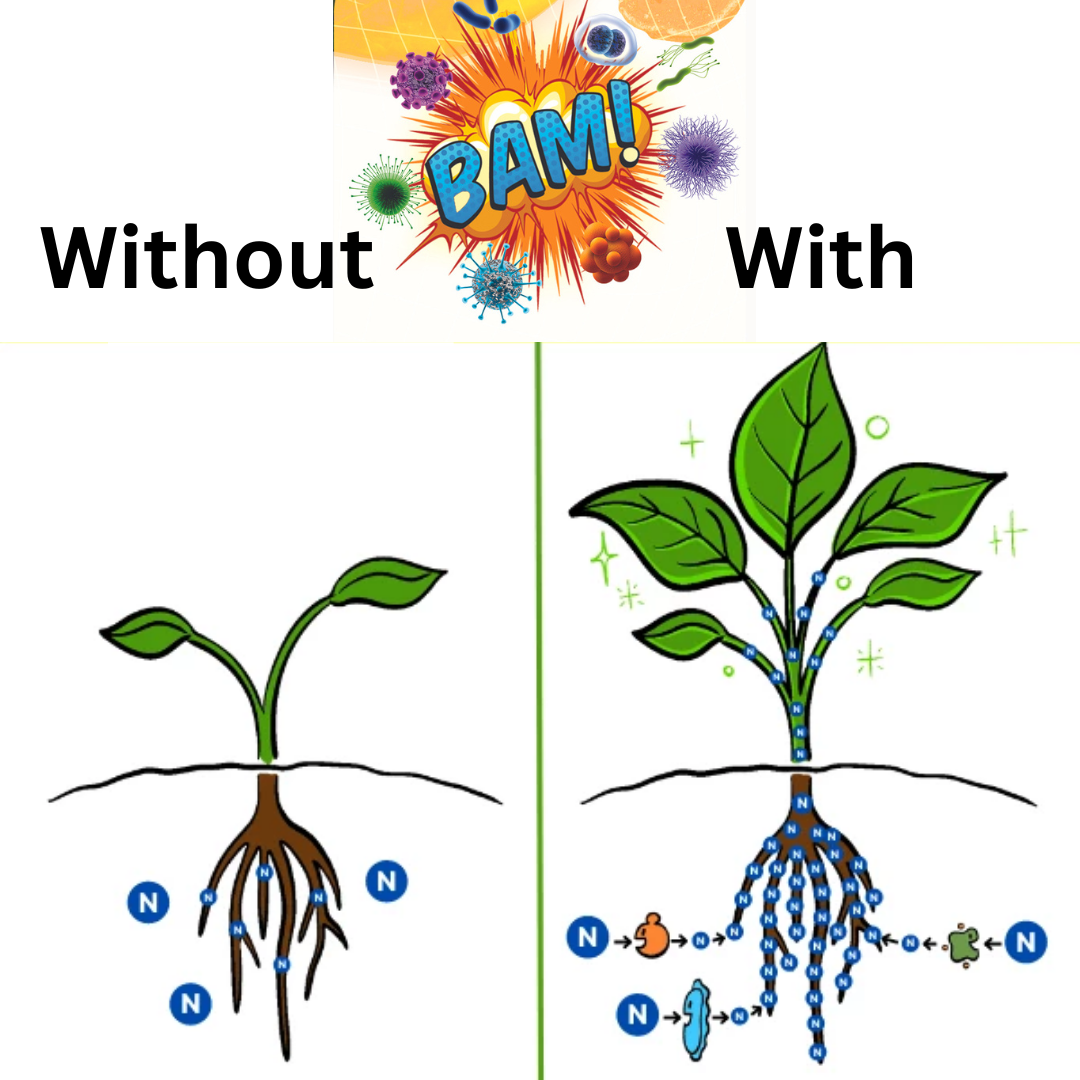
While minerals provide the raw materials, microbes are the laborers that build the soil structure. One of the most effective ways to maintain biological activity during the colder months is through the introduction of beneficial microorganisms.
Products like BAM! (Beneficial Anaerobic Microbes) are specifically designed to thrive in various environments. Unlike aerobic microbes that require constant oxygen and can struggle in compacted, waterlogged winter soils, anaerobic and facultative microbes can continue to work deep within the soil profile.
These microbes perform several "off-season" tasks:
- Carbon Sequestration: They help convert organic residues into stable carbon, preventing it from escaping into the atmosphere as CO2.
- Pathogen Suppression: By occupying the "ecological niches" in the soil, beneficial microbes prevent harmful pathogens and fungi from taking hold during the damp winter months.
- Nutrient Cycling: They begin the process of unlocking minerals, ensuring that as soon as the ground thaws in the spring, the "pantry" is full for your new seedlings.
Cover Cropping and Protecting the Soil Architecture
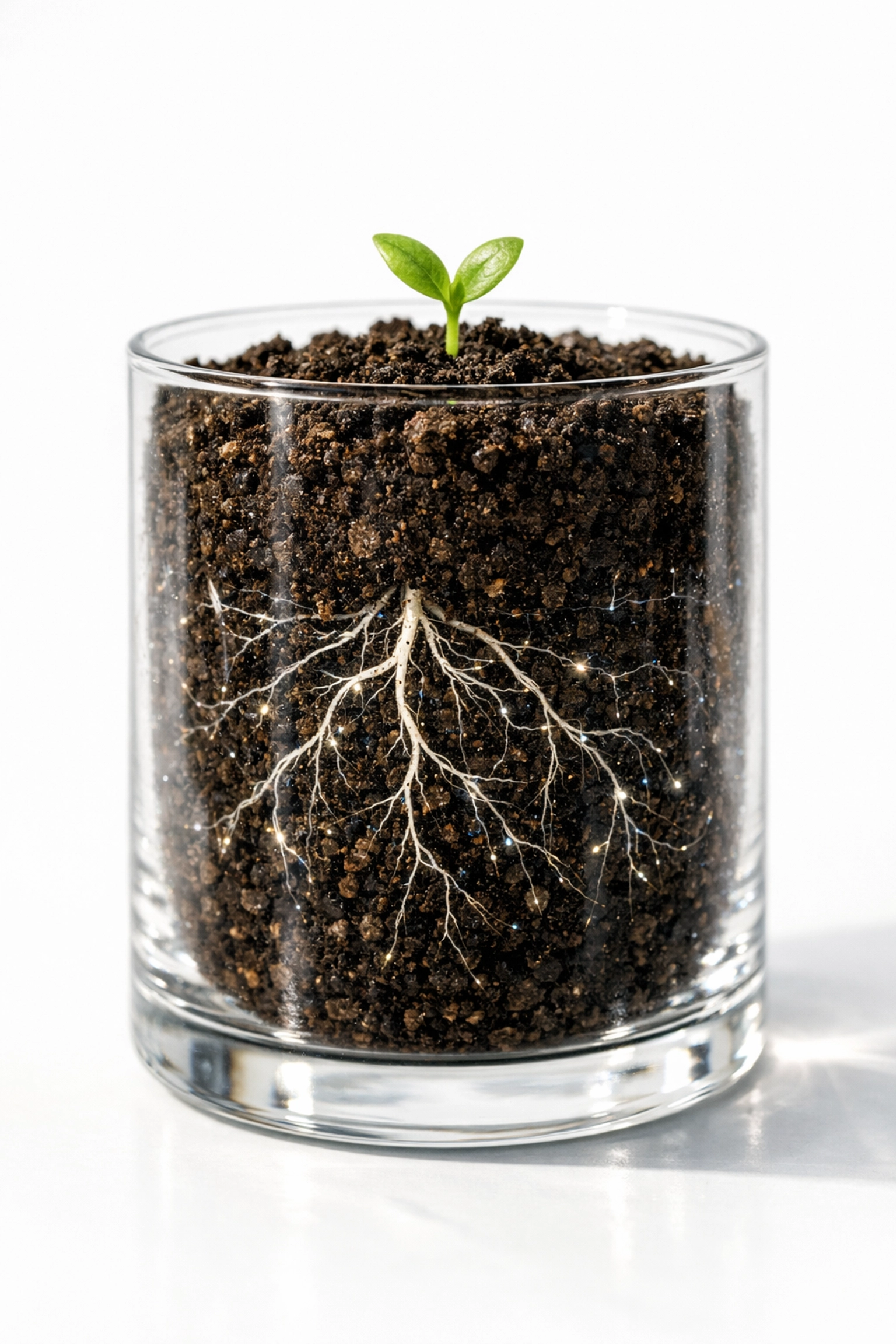
The research is clear: healthy soils are maintained through practices like cover cropping. A cover crop: such as winter rye, clover, or vetch: acts as a "living skin" for the earth. These plants keep soil carbon in the ground and maintain biological activity when primary crops are absent.
Cover crops provide a dual benefit. Their leaves protect the soil surface from the physical impact of heavy rain, which can break down soil aggregates and lead to crusting. Meanwhile, their roots provide a habitat for mycorrhizal fungi. These fungi form a symbiotic relationship with plant roots, extending the root system's reach and helping the plant "trade" sugars for minerals.
If you aren't using cover crops, adding a layer of mineral-rich mulch or compost treated with Drops of Balance mineral concentrate can provide a similar protective barrier while slowly feeding the soil throughout the winter.
Mineralization: The "Secret Sauce" for Winter Resilience
One of the biggest challenges for winter-hardy crops (like garlic, kale, or overwintered onions) is stress from temperature fluctuations. Mineralization plays a huge role in how plants handle this stress.
Minerals regulate the osmotic pressure within plant cells. A well-mineralized plant has a higher "Brix" level (sugar content), which essentially acts as a natural antifreeze. This allows the plant to survive deeper freezes without the cell walls rupturing. By focusing on soil health and mineralization in the fall, you are literally giving your plants the armor they need to survive the "Big Chill."
How to Improve Soil This October: A Step-by-Step Guide
If you’re ready to take your garden to the next level, here is a simple off-season protocol:
- Clean, Don't Strip: Remove any diseased plant material, but leave healthy root systems in the ground to decay naturally.
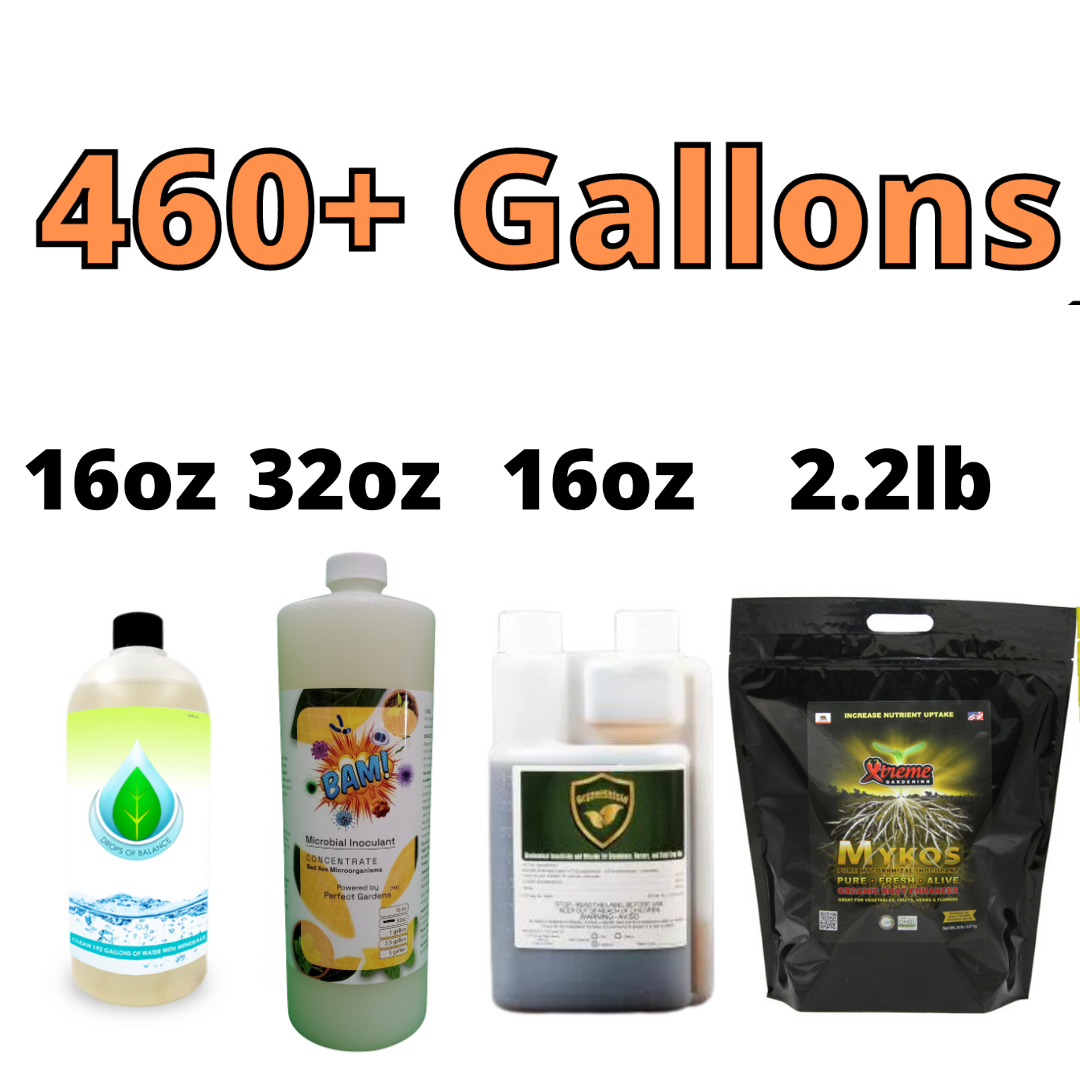
- Hydrate with Minerals: Use a solution of Drops of Balance to water your beds one last time before the ground freezes. This introduces over 70 trace minerals in a sulfate-based form that is easily absorbed by the soil matrix.
- Inoculate: Apply a microbial inoculant like BAM! to speed up the decomposition of organic matter and establish a healthy microbial colony.
- Protect: Cover the soil with a high-quality mulch, leaf mold, or a winter cover crop.
The Connection Between Soil and Human Health
At Drops of Balance, we often talk about water purification for human consumption, but the science of water and soil is inextricably linked. The minerals we add to our water using our concentrated mineral solutions are the same minerals the human body needs to function.
When we grow food in "tired" soil that hasn't been replenished during the off-season, we end up with mineral-deficient produce. This leads to a cycle of "hidden hunger," where we eat enough calories but don't get enough micronutrients. By treating your garden soil with the same care you treat your drinking water, you are ensuring that your future harvests are nutrient-dense and truly life-sustaining.
Why the Off-Season is Your Secret Weapon
The most successful farmers and gardeners are the ones who realize that there is no "off" switch for nature. By investing in your soil's mineral and microbial health during the autumn and winter, you are setting the stage for a spring where plants grow faster, resist pests more effectively, and produce higher yields.
Don't let your soil starve this winter. Give it the minerals and microbes it needs to keep working for you while you stay warm inside.
For more information on the science of mineralization and how to support your garden's biological health, check out our full collection of soil and water treatments or dive into our educational books to learn more about the "BAM!" effect.

References and Further Reading
- Soil Health Institute: The Economic Impact of Soil Health Practices (2023).
- Microbial Ecology in Frozen Soils: Understanding the Winter Microbiome.
- Mineralization and Cation Exchange: The Foundation of Plant Nutrition.
Your soil is waiting. Let’s get to work.