

From Wilted to Winning: The Secret to Heat-Resistant Tomatoes
By mid-June, the honeymoon phase of the gardening season is officially over. The gentle spring rains have been replaced by the relentless, baking sun of early summer. For tomato enthusiasts, this is the "make or break" period. You walk out to your garden at 3:00 PM and see it: the dreaded afternoon wilt. The leaves are limp, the stems are sagging, and your once-vibrant plants look like they are ready to give up.
While most gardeners instinctively reach for the garden hose, professional growers and plant physiologists know that water is only half the battle. If your soil is depleted of essential trace minerals, no amount of water will save your crop from the physiological stress of extreme heat. To move from "wilted" to "winning," we must understand the biological mechanisms that allow a tomato plant to thrive when the thermometer crosses 90°F.
The Physiology of the Wilt: Why Tomatoes Struggle
To build a heat-resistant garden, we first have to understand why tomatoes wilt in the first place. Wilting is primarily a loss of turgor pressure. Within the plant’s cells, water fills the central vacuole, pushing against the cell wall and keeping the plant upright. When the rate of transpiration (water evaporating from the leaves) exceeds the rate of water uptake through the roots, turgor pressure drops, and the plant collapses.
However, heat stress is more than just dehydration. High temperatures can cause:
- Protein Denaturation: High heat can cause the enzymes and proteins within the plant to unfold and lose function.
- Stomatal Closure: To prevent water loss, plants close their stomata (tiny pores on the leaves). While this saves water, it also stops the intake of CO2, effectively halting photosynthesis and starving the plant of energy.
- Oxidative Stress: Heat triggers the production of Reactive Oxygen Species (ROS), which damage cellular membranes and DNA.
This is where the distinction between "surviving" and "thriving" becomes clear. A plant with a robust mineral profile has the chemical tools to mitigate these stressors.
Beyond N-P-K: The Role of Trace Minerals in Heat Resistance
Most commercial fertilizers focus on the "Big Three": Nitrogen, Phosphorus, and Potassium. While these are essential for growth, they do very little to help a plant manage environmental stress. For heat resistance, we must look at the secondary and trace minerals.
Calcium: The Structural Anchor
Calcium is often discussed in the context of preventing Blossom End Rot, a common tomato ailment. However, its role in heat resistance is equally vital. Calcium strengthens cell walls, making them more resilient to the fluctuations in turgor pressure. More importantly, calcium acts as a signaling molecule that helps the plant "sense" heat stress and activate its internal defense mechanisms, such as the production of heat-shock proteins.
Silica: The Cooling Shield
Silica is the unsung hero of the summer garden. When plants absorb silica, it is deposited in the cell walls, creating a physical barrier that reduces non-stomatal water loss. Think of it as an internal layer of insulation. Plants high in silica can maintain lower leaf temperatures even in direct sunlight.
Magnesium and Trace Elements
Magnesium is the central atom of the chlorophyll molecule. Without it, photosynthesis collapses. Trace minerals like Zinc, Manganese, and Boron serve as co-factors for the enzymes that neutralize oxidative stress. When these minerals are present in an ionic, bioavailable form, the plant can "repair" itself in real-time as the sun beats down.
Choosing the Right Genetic Foundation
While nutrition is paramount, starting with heat-tolerant genetics gives you a significant head start. Research suggests that certain varieties have evolved specialized traits: such as deeper root systems or more efficient stomatal control: to handle high temperatures.
Heirloom Favorites
- Cherokee Purple: This legendary heirloom is famous for its smoky flavor and its ability to thrive in hot, humid conditions where other heirlooms might succumb to fungus.
- Pink Brandywine: While many large-fruited tomatoes struggle in the heat, the Pink Brandywine remains a reliable producer in hot climates, provided it has consistent mineral support.
- Stupice: An early-maturing variety from the Czech Republic that is surprisingly cold-tolerant but also remarkably heat-resistant, continuing to set fruit when others drop their blossoms.
Modern Hybrids
- Solar Fire and Bella Rosa: These varieties were specifically bred for the intense heat of the Southeast, featuring "heat-set" traits that allow pollen to remain viable even in high temperatures.
- San Marzano: The gold standard for sauces, these plants are rugged and thrive in the long, hot seasons of the Mediterranean and similar climates.

Caption: A cluster of healthy, ripening tomatoes showing no signs of heat stress or sunscald.
The Secret Weapon: Ionic Mineralization
The challenge most gardeners face is not a lack of minerals in the soil, but a lack of bioavailable minerals. Traditional fertilizers often contain minerals in a complex, "locked" state that the plant cannot easily absorb, especially when the plant is already stressed by heat.
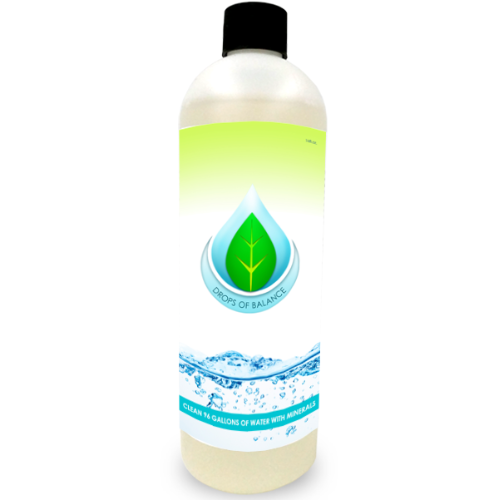
This is where Drops of Balance changes the game. By treating your irrigation water with a concentrated mineral solution, you are providing your tomatoes with over 70 trace minerals in an ionic, water-soluble form.
When you use Drops of Balance 16oz, you are also addressing a hidden stressor: tap water toxins. Chlorine and fluoride, common in municipal water, can damage the delicate root hairs of tomato plants and inhibit the beneficial microbes in the soil. By neutralizing these contaminants, you ensure that the water your plant does get is pure and nutrient-dense.
The Role of the Soil Microbiome
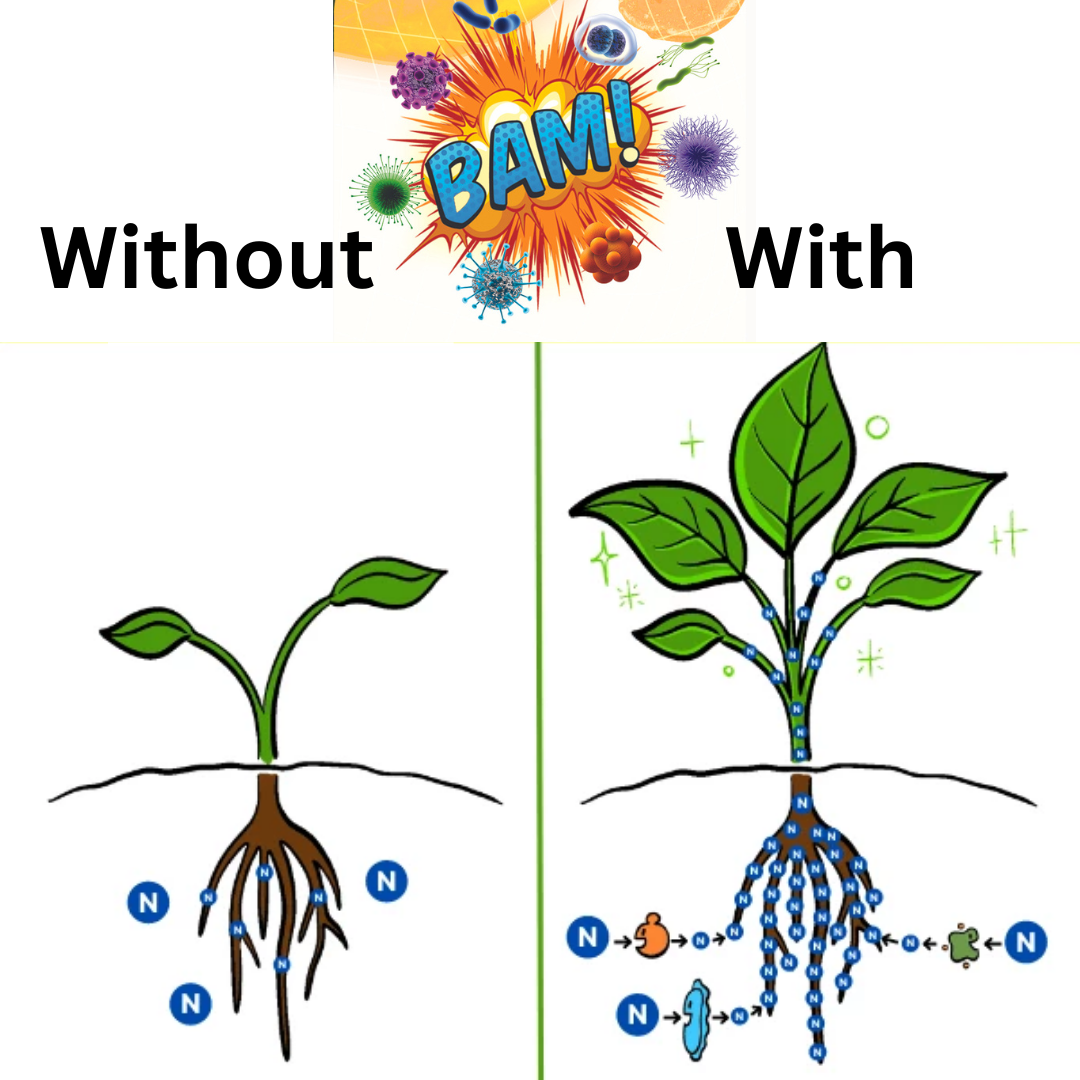
You cannot talk about heat resistance without talking about the soil. In a healthy ecosystem, the plant doesn't work alone. It partners with beneficial bacteria and fungi.
Beneficial microbes, like those found in BAM (Beneficial Agricultural Microbes), act as an extension of the plant's root system. Mycorrhizal fungi, for example, can reach into microscopic soil pores that plant roots can't access, pulling in deep-seated moisture during a drought. Furthermore, these microbes produce "bio-films" that help the soil retain water, preventing the "hydrophobic" (water-repelling) state that dry summer soil often reaches.
Practical Mid-June Strategy for Winning Tomatoes
To ensure your garden stays productive through the peak of summer, follow this scientifically-backed regimen:
- Water Deeply and Early: Water at dawn to allow the plant to fully hydrate before the sun's intensity peaks. Aim for the base of the plant to keep leaves dry and prevent fungal spores from splashing.
- Mineralize Your Water: Add Drops of Balance to your watering can at the recommended ratio (.5 ml per gallon for plants). This ensures every drop of water is carrying the electrolytes and trace minerals necessary for cellular integrity.
- Apply Mulch: A 3-inch layer of organic mulch (straw, wood chips, or PittMoss) can lower soil temperatures by up to 10 degrees and drastically reduce evaporation.
- Provide Afternoon Shade: If temperatures exceed 95°F, consider using a 30% shade cloth during the hottest part of the day (2:00 PM to 5:00 PM). This reduces the transpiration load on the plant.
- Foliar Mineral Feeding: In extreme heat, the roots can become less efficient. A gentle foliar spray of mineralized water (2ml per gallon) early in the morning can provide an immediate boost to the plant’s foliage.

Caption: Scientific illustration showing the movement of minerals through the xylem and phloem during high-heat periods.
Conclusion: The Mineral Advantage
The difference between a garden that wilts and a garden that wins is often invisible to the naked eye. It’s happening at the cellular level, where trace minerals are reinforcing cell walls, stabilizing enzymes, and facilitating the movement of water.
By focusing on high-quality genetics, supporting the soil microbiome with BAM, and ensuring your water is purified and mineralized with Drops of Balance, you are giving your tomatoes the best possible defense against the June heat. Don't just give them more water: give them the right water.
Your harvest of sweet, juicy, sun-ripened tomatoes depends on the foundation you build today. For more tools to optimize your garden's health, explore our full range of water and soil treatment solutions.