
The Truth About Pharmaceutical Residue in City Water
When you turn on your tap to fill a glass of water, you likely expect it to be clean, safe, and life-sustaining. For decades, municipal water treatment systems have focused on the "big threats": pathogens like E. coli, heavy metals like lead, and basic chemical additives like chlorine. However, modern science is uncovering a new, invisible crisis flowing through our infrastructure.
The reality is that our city water is becoming a "chemical soup" of modern medicine. From antidepressants and birth control to antibiotics and heart medications, pharmaceutical residues are now pervasive in municipal water supplies across the globe. This isn't just a theory; it is a documented consequence of our modern lifestyle meeting an aging infrastructure that was never designed to handle 21st-century synthetic chemistry.
The Cycle of Contamination: How Drugs Enter the Tap
It is a common misconception that pharmaceutical contamination only occurs when people flush unused pills down the toilet. While improper disposal is a contributing factor, the primary driver is far more systematic: human metabolism.
When a person takes a medication: be it an ibuprofen for a headache or a daily blood pressure pill: the body does not fully absorb or metabolize the entire dose. A significant percentage of the active pharmaceutical ingredients (APIs) is excreted through urine and feces. This effluent enters the sewage system and travels to a wastewater treatment plant.
The problem lies in the design of these facilities. Traditional water treatment plants were engineered to remove biological solids and pathogens. They utilize settling tanks and bacterial processes to break down organic waste. However, synthetic pharmaceutical compounds are specifically designed to be stable and persistent so they can survive the harsh environment of the human digestive tract. This same stability allows them to bypass standard municipal filtration virtually untouched.

The Limitations of Municipal Infrastructure
Municipalities are caught in a difficult position. The technology required to strip pharmaceutical residues from millions of gallons of water daily: such as advanced oxidation, ozonation, or high-level reverse osmosis: is prohibitively expensive for most city budgets. As a result, the "treated" wastewater is discharged into local rivers and lakes, carrying its pharmaceutical load with it.
These same bodies of water often serve as the primary source for drinking water for the next city downstream. The cycle repeats, and the concentration of these trace chemicals begins to climb. A landmark study by the EPA revealed that at least one active pharmaceutical ingredient was detected in every single wastewater treatment plant effluent sample tested. We are essentially "recycling" our medications through our communities.
The Health & Wellness Implications of Chronic Micro-Dosing
The standard response from regulatory agencies is often that these residues exist in "trace amounts": concentrations so low they are unlikely to cause an acute reaction. However, from a health & wellness perspective, this ignores two critical factors: bioaccumulation and the "cocktail effect."
1. Endocrine Disruption
Many of the most common residues found in city water are endocrine-disrupting chemicals (EDCs). Synthetic estrogens from birth control pills are particularly potent. Even at parts-per-trillion levels, these hormones can impact the reproductive systems of aquatic life and have raised significant concerns regarding their long-term impact on human hormonal balance, developmental health, and fertility.
2. Antibiotic Resistance
The constant presence of low-level antibiotics in our water supply provides a training ground for bacteria. When bacteria are exposed to sub-lethal doses of antibiotics, they develop resistance. This contributes to the global rise of "superbugs," making it harder for doctors to treat common infections when medical intervention is actually necessary.
3. The Cocktail Effect
Toxicology has traditionally studied chemicals in isolation. However, nobody is drinking just "trace ibuprofen." They are drinking a combination of dozens of different metabolites simultaneously. Science is still playing catch-up regarding how these various compounds interact within the human body over twenty, thirty, or forty years of daily consumption.
Beyond Pharmaceuticals: The Broader Toxin Problem
Pharmaceuticals are just one layer of the problem. When we look at the total profile of municipal water, we also have to consider industrial runoff, pesticides, and intentional additives. Many health-conscious individuals are already searching for ways to remove fluoride from water or eliminate chlorine byproducts like trihalomethanes.
Fluoride, for example, is added to most city supplies under the guise of dental health, but it remains a controversial neurotoxin that many people prefer to avoid. When you combine fluoride with pharmaceutical residues and heavy metals, the biological burden on your liver and kidneys becomes immense. Proper water treatment at the point of use is no longer a luxury; it is a necessity for anyone prioritizing long-term vitality.
How Drops of Balance Changes the Equation
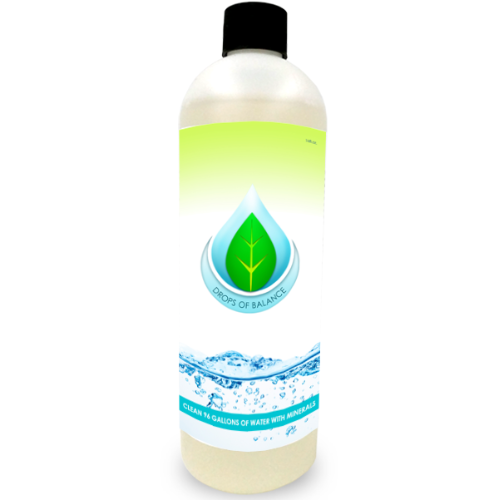
At Drops of Balance, we believe that the solution to synthetic chemical contamination isn't more synthetic chemicals. The answer lies in mineral science.
Our concentrated mineral solution utilizes ionic sulfate minerals to address water contamination at a molecular level. When added to your water, these minerals engage in a process known as flocculation and coagulation.
The Science of Flocculation
Most toxins in your water, including many pharmaceutical residues and heavy metals, carry a specific electrical charge. Our ionic minerals act as a magnet. They attract these dissolved contaminants, binding them together into heavier-than-water particles (floc). As these particles become visible, they settle to the bottom or can be easily caught by a simple sediment filter.
This process doesn't just "mask" the taste of the water; it physically separates the contaminants from the liquid you intend to consume. By restoring the mineral balance, the water also becomes more bioavailable, allowing your cells to hydrate more efficiently while reducing the toxic load on your system.

Scientific Validation and Safety
We don't expect you to take our word for it. In a world of "wellness" trends, we lean on hard data. We have put our solution through rigorous testing to ensure it effectively reduces the presence of harmful substances while enriching the water with essential trace minerals. You can view our full safety testing reports to see exactly how our mineral complex performs against common environmental toxins.
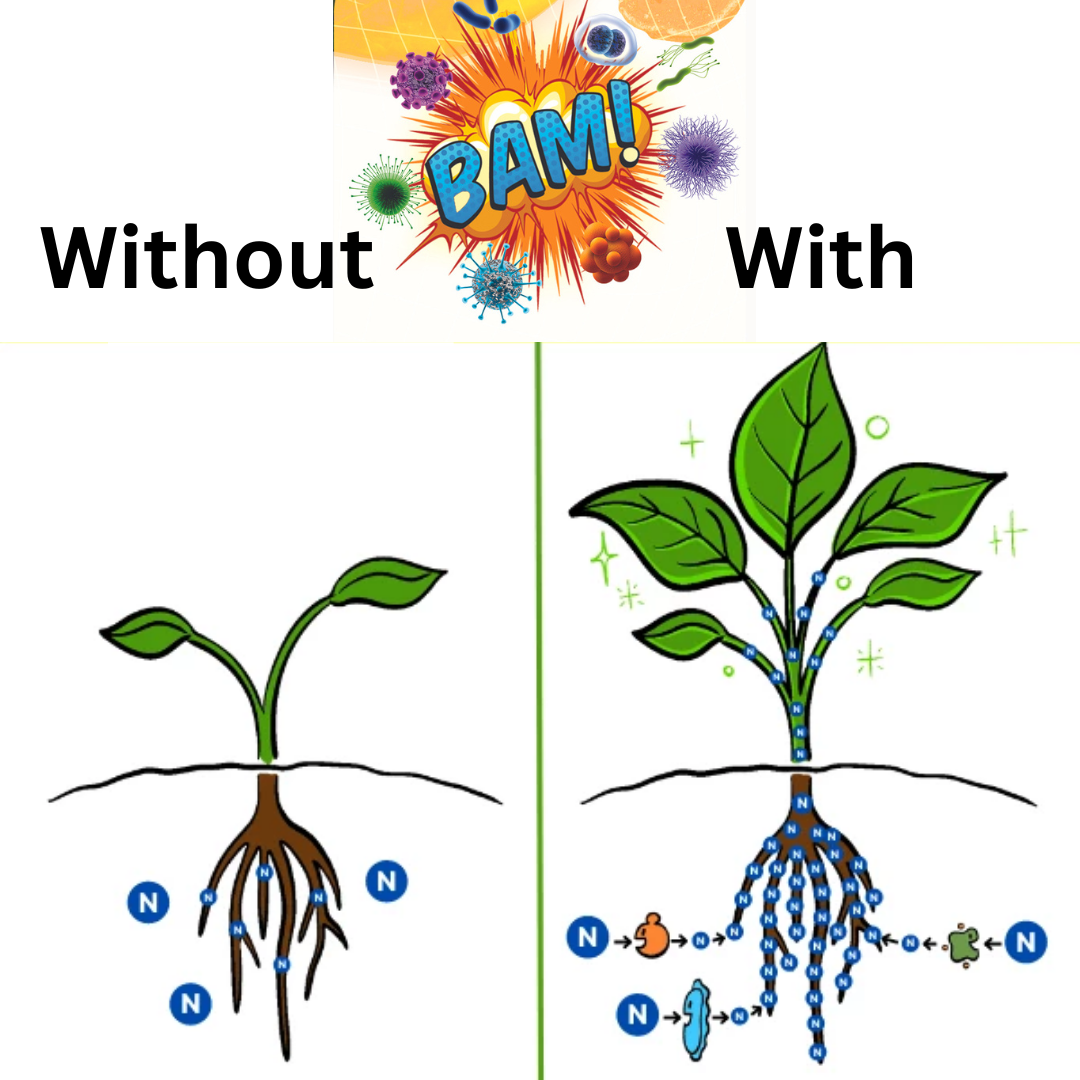
Restoring your water to its natural, mineral-rich state is one of the most impactful steps you can take for your household. Whether you are using it for your family's drinking water or to ensure your garden isn't being "medicated" by city tap water, the results are often visible in the health of the organisms involved.
Taking Control of Your Water
The reality of pharmaceutical residue in city water is a sobering reminder that we cannot rely solely on aging infrastructure to protect our health. The "recycled" nature of modern municipal water means that we are constantly exposed to the chemical footprint of our society.
However, you aren't powerless. By understanding the cycle of contamination and utilizing advanced mineral-based water treatment, you can transform your tap water back into the life-giving resource it was meant to be.
If you're ready to clean your water and replenish it with the trace minerals your body craves, explore our full collection of mineral solutions. From our 16oz bottles for personal use to our larger concentrate options for home and garden, we provide the tools you need to bypass the "chemical soup" and embrace true hydration.
For more information on how to integrate these minerals into your daily routine, check out our FAQ or contact us directly. Your health is your most valuable asset: don't let it be compromised by the residues of someone else's medicine cabinet.