

How Drops of Balance Helps Lower Mold in Plants: Lab Results Every Gardener Should Know
Plant mold and fungal infections represent one of the most persistent challenges facing both commercial growers and home gardeners. These unwanted organisms can devastate entire crops, reduce yields, and compromise plant health in ways that traditional treatments often fail to address effectively. Recent laboratory research has revealed promising findings about how Drops of Balance, an ionic mineral-based water treatment, may significantly reduce mold incidence in plants through controlled scientific testing.
The Laboratory Study: Methodology and Controls
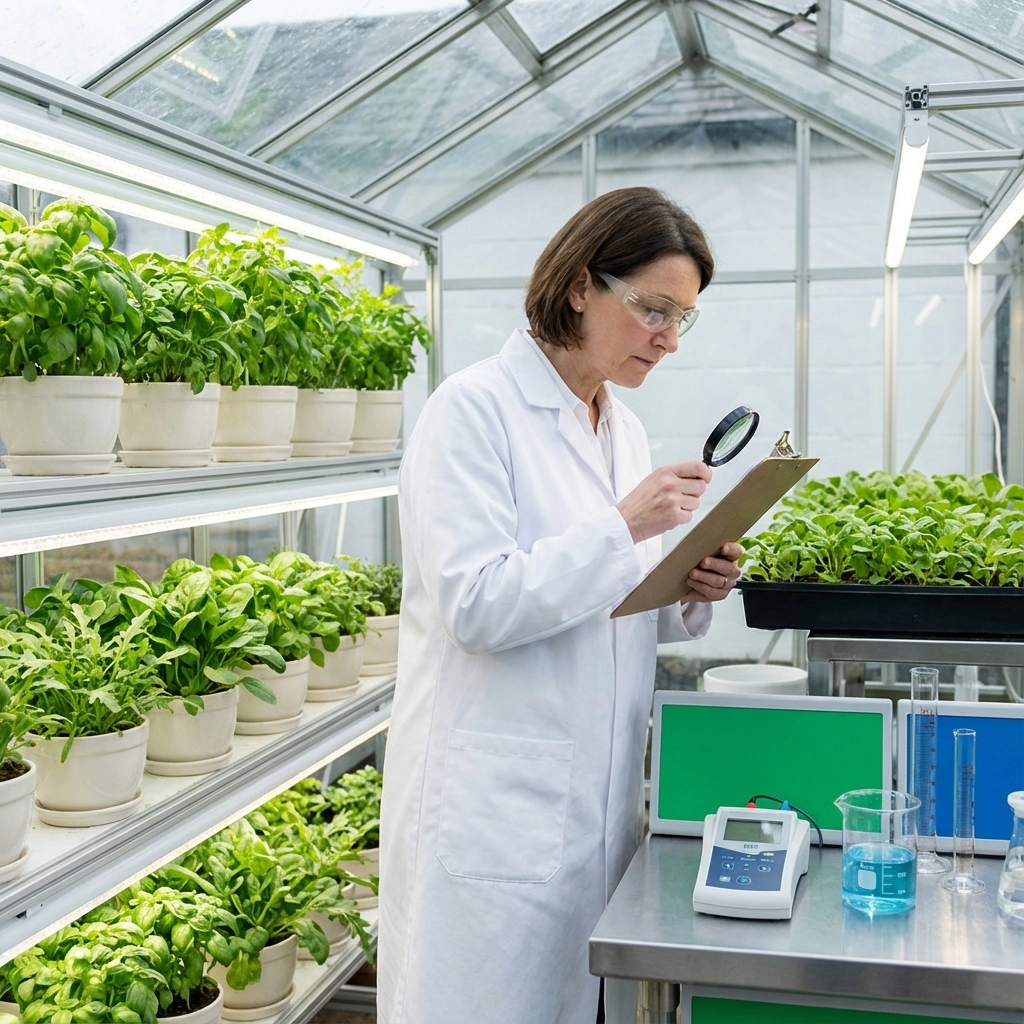
A comprehensive 13.5-week agricultural study examined the effects of Drops of Balance on plant health, contamination reduction, and fungal resistance. The research employed rigorous scientific protocols including soil homogenization, randomized sampling, third-party laboratory testing, and controlled environmental conditions to ensure reliable, replicable results.
The experimental design involved three distinct groups: a control group receiving standard water and nutrients, a treatment group receiving water treated with Drops of Balance at 1ml per gallon, and a soil pre-treatment group where growing medium was conditioned with Drops of Balance at 5ml per gallon every 4-8 hours over 72 hours prior to planting.
All plants were maintained under identical greenhouse conditions, with equal spacing between groups to ensure consistent air flow, temperature, and environmental variables. This methodological rigor eliminates confounding factors that could skew results, providing confidence in the observed outcomes.
Striking Mold Reduction Results
The most remarkable finding emerged unexpectedly during the final weeks of the growing cycle. When mold began appearing throughout the greenhouse environment two weeks before harvest, systematic inspection revealed dramatic differences between treated and untreated plants.
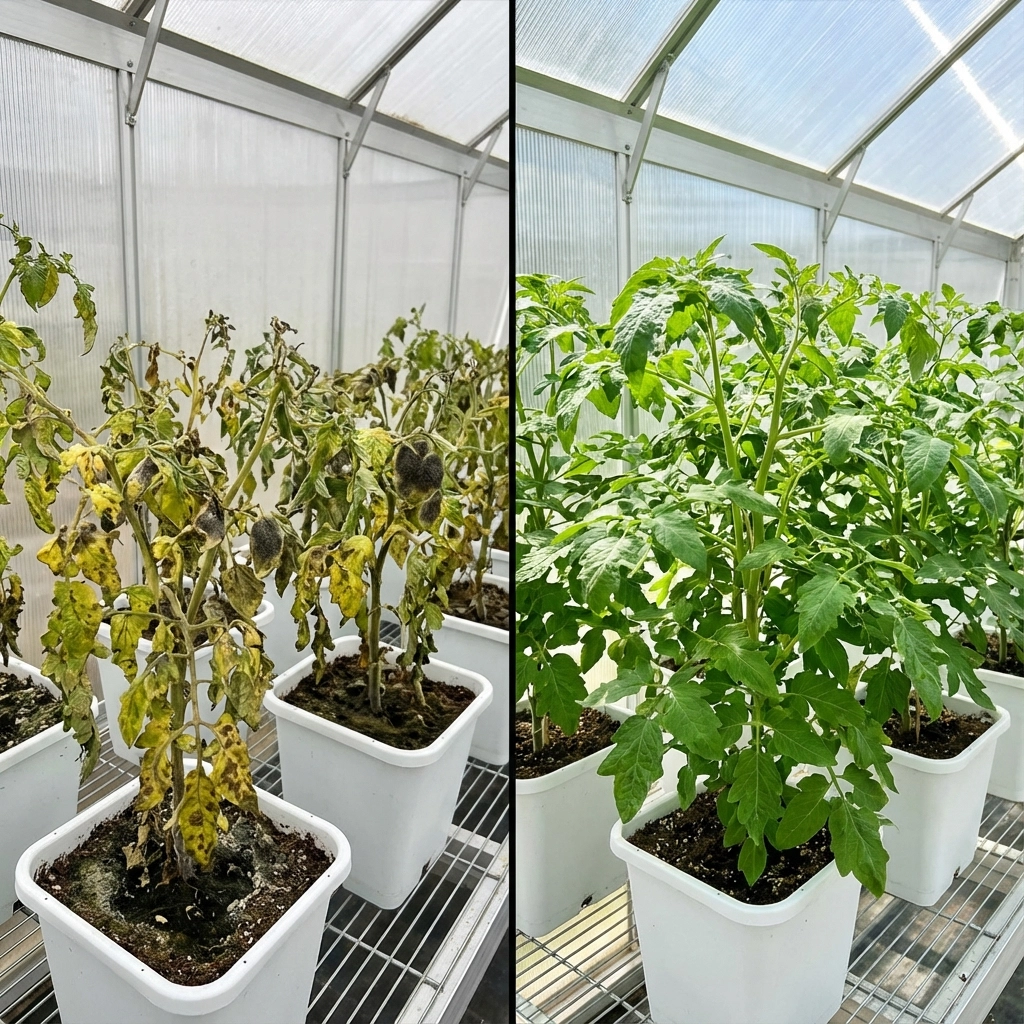
Approximately two-thirds of the control group plants developed visible mold infections, representing a 66% incidence rate typical of many agricultural operations facing fungal pressure. In stark contrast, only about 10% of plants in both Drops of Balance treatment groups showed signs of mold infection.
This represents an 85% reduction in mold incidence compared to standard growing conditions: a statistically significant outcome that warrants serious consideration by growers seeking sustainable fungal management strategies.
Understanding the Mechanism: Beyond Simple Fungicides
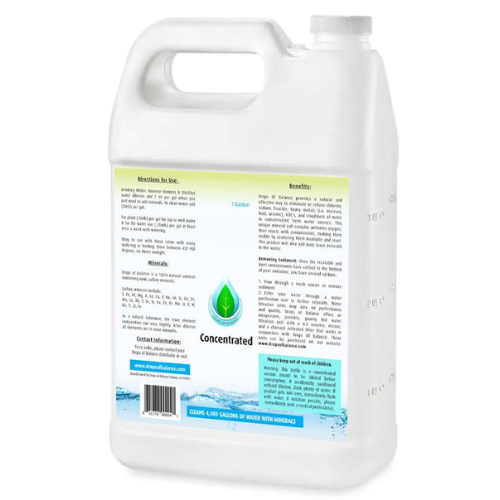
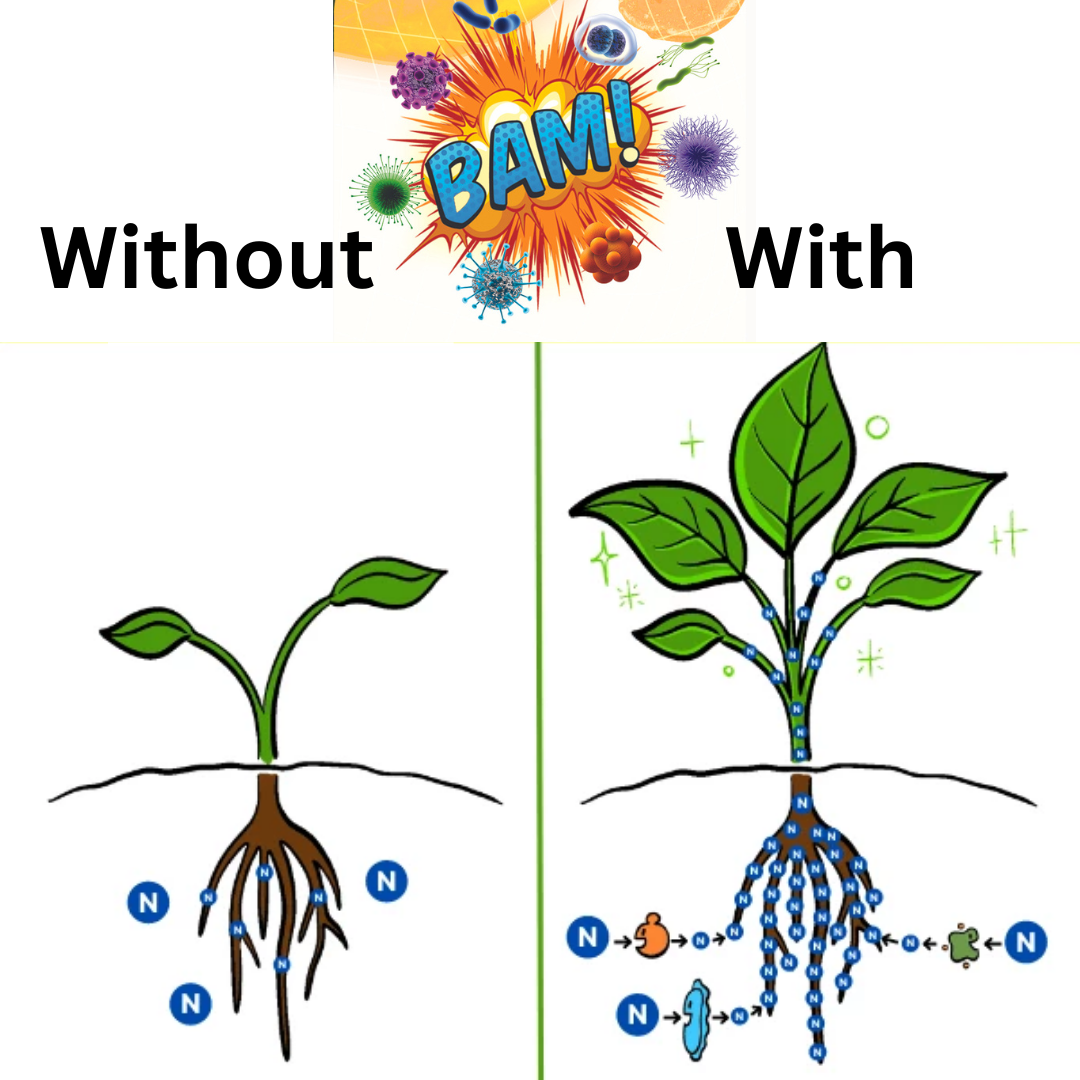
Unlike conventional fungicidal treatments that directly kill fungal organisms, Drops of Balance appears to work through environmental modification at the cellular and soil level. The product contains concentrated, naturally occurring ionic mineral salts that create conditions less favorable for pathogenic fungal development while supporting beneficial microbial activity.
The ionic sulfated minerals in Drops of Balance may alter the plant's internal chemistry and surrounding soil environment in ways that enhance natural disease resistance. This approach differs fundamentally from chemical interventions that often create resistance issues over time or disrupt beneficial soil ecosystems.
Soil Pre-Treatment: The Key Variable
Particularly intriguing was the observation that both treatment groups: those receiving Drops of Balance in irrigation water and those grown in pre-treated soil: showed similar mold resistance. This suggests that the protective effect operates through multiple pathways: direct plant uptake through root systems and modification of the soil microbiome.
The soil pre-treatment protocol involved saturating growing medium with water containing 5ml Drops of Balance per gallon, applied every 4-8 hours over a 72-hour conditioning period. This intensive preparation appears to establish a mineral foundation that supports long-term plant health and fungal resistance throughout the growing cycle.
Implications for Commercial and Home Growing Operations
These findings have significant practical implications across multiple agricultural sectors. Commercial growers facing recurring mold issues could potentially reduce crop losses, decrease reliance on chemical fungicides, and improve overall plant health through strategic Drops of Balance implementation.
For greenhouse operations, where controlled environments can amplify both beneficial and detrimental conditions, the observed mold reduction represents substantial economic value. Losing two-thirds of a crop to fungal infection versus losing only 10% fundamentally changes operational profitability and planning.
Home gardeners struggling with persistent mold problems in humid climates or inadequately ventilated growing spaces may find particular value in these results. The treatment requires no specialized equipment: simply adding Drops of Balance to irrigation water at prescribed ratios.
Environmental and Safety Considerations
The study's approach aligns with growing interest in sustainable agriculture practices that work with natural systems rather than against them. By supporting beneficial microbial activity while discouraging pathogenic organisms, Drops of Balance represents a more ecological approach to crop protection.
Unlike synthetic fungicides that can accumulate in soil, water systems, and plant tissues, the mineral-based composition of Drops of Balance introduces naturally occurring elements that plants and soil organisms can readily process and utilize.
Application Protocols Based on Research Findings
The laboratory study employed specific dilution ratios that proved effective for mold reduction:
- Standard irrigation applications: 1ml Drops of Balance per gallon of water
- Soil pre-treatment: 5ml per gallon, applied every 4-8 hours over 72 hours before planting
- Foliar applications: 4ml per gallon for direct plant surface treatment
These concentrations represent starting points based on controlled research conditions. Individual growing situations may require adjustments based on water quality, soil conditions, and specific plant requirements.
Limitations and Future Research Directions
While these results are promising, the researchers appropriately noted that mold incidence was not the primary focus of their investigation, and the observations represent preliminary findings rather than conclusive proof of fungicidal efficacy.
Future controlled studies specifically designed to examine fungal resistance would provide more definitive evidence. Variables to investigate include different plant species, various fungal pathogens, diverse environmental conditions, and optimized application protocols.
The mechanism of action also requires further elucidation. Understanding exactly how ionic minerals influence plant immunity and soil microbiology would enable more targeted applications and improved effectiveness.
Integration with Existing Growing Practices
The beauty of these findings lies in their compatibility with established agricultural practices. Drops of Balance integration requires no fundamental changes to existing irrigation systems, fertilizer programs, or growing methodologies.
Growers can implement the treatment as an addition to current practices, monitoring results over several growing cycles to establish effectiveness in their specific conditions. This low-risk approach allows for gradual adoption and refinement of application protocols.
Economic Analysis of Mold Reduction Benefits
Consider the economic impact of reducing mold incidence from 66% to 10% in a typical growing operation. Beyond direct crop loss prevention, reduced mold means less labor spent on plant removal, lower disposal costs, decreased contamination risk to healthy plants, and improved overall crop quality.
For commercial operations, these factors can translate to significant improvements in profitability and operational efficiency. The cost of Drops of Balance treatment becomes minimal when weighed against potential crop losses and associated expenses.
Accessing the Complete Research Data
For growers, researchers, and agricultural professionals interested in examining the complete methodology, data analysis, and detailed findings, the full laboratory report is publicly available. This comprehensive document provides in-depth information about experimental design, statistical analysis, and complete results across multiple plant health parameters.
Full Research Report: https://drive.google.com/file/d/1vVmAr2qIgHbXQMHYQBukbobh8klveBvf/view?pli=1
The transparency of making complete research data available demonstrates the scientific rigor behind these findings and allows independent verification of results.
Moving Forward: Practical Implementation
These laboratory findings provide a foundation for growers seeking evidence-based approaches to mold management. While individual results may vary based on specific growing conditions, the dramatic reduction in fungal incidence observed in controlled conditions suggests significant potential for real-world applications.
Starting with small-scale trials allows growers to evaluate effectiveness in their unique environments before implementing broader changes. Documenting results over multiple growing cycles will help establish optimal protocols and confirm long-term benefits.
The convergence of scientific research with practical agricultural needs points toward more sustainable, effective approaches to crop protection that work with natural systems rather than against them.