

How Drops of Balance Reduces Pesticide Residue in Plants: A Science-Based Solution
Pesticide contamination in agricultural crops and garden plants represents a significant challenge for growers worldwide. These chemical residues can persist in plant tissues long after application, potentially affecting crop quality, market value, and consumer safety. Recent scientific research has demonstrated that Drops of Balance, an ionic mineral-based water treatment solution, can significantly reduce pesticide residues in living plants through a process known as in vivo remediation.
The Pesticide Persistence Problem
Modern agriculture relies heavily on pesticides to protect crops from various threats, yet many of these compounds exhibit extended half-lives that exceed typical growing cycles. Myclobutanil, commonly found in fungicides like Eagle 20, exemplifies this challenge. This particular compound can persist in plant tissues for weeks or months, making it detectable in final harvested products despite proper application protocols.
The persistence of such compounds creates multiple problems for growers:
- Quality degradation: Residual chemicals can affect plant metabolism and overall health
- Market restrictions: Many products with detectable pesticide levels face reduced market value
- Consumer safety concerns: Long-term exposure to pesticide residues raises health questions
- Regulatory compliance: Increasingly stringent testing requirements challenge growers to minimize contamination
Scientific Foundation of Drops of Balance
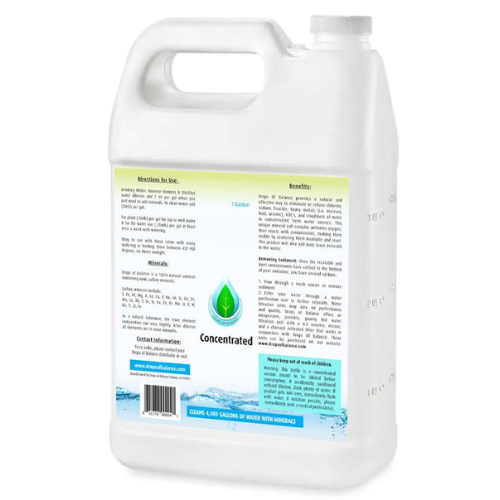
Drops of Balance functions as a concentrated ionic mineral solution containing naturally occurring sulfated trace minerals. The product's mechanism involves the neutralization and remediation of over 250 different contaminants through ionic exchange processes when dissolved in irrigation water.
The scientific principle underlying this approach centers on the bioavailability of minerals and their interaction with organic compounds within plant systems. When plants absorb treated water through their root systems, the ionic minerals facilitate the breakdown and neutralization of harmful compounds, including persistent pesticides.
Controlled Study Methodology
A comprehensive field study was conducted to evaluate the efficacy of Drops of Balance in reducing pesticide contamination in living plants. The research employed rigorous scientific protocols to ensure reliable, reproducible results.
Experimental Design
The study utilized a controlled experimental design with three distinct treatment groups:
- Control group: Plants grown with standard water and conventional treatment protocols
- Water treatment group: Plants irrigated with water containing 1ml of Drops of Balance per gallon
- Soil pre-treatment group: Plants grown in soil pre-treated with Drops of Balance at 5ml per gallon over a 72-hour period
Sample Collection and Analysis
To ensure statistical validity, researchers employed randomized sampling protocols. Multiple samples were collected from each treatment group at regular intervals throughout the growing cycle. All samples underwent homogenization before analysis to eliminate variability, and testing was conducted in triplicate by independent third-party laboratories.
The testing focused specifically on Myclobutanil (Eagle 20) levels, as this compound's extended half-life made it ideal for tracking contamination changes over time.
Research Results: Significant Pesticide Reduction
The study results demonstrated remarkable efficacy in pesticide residue reduction. Both treatment groups showed substantial decreases in Myclobutanil levels compared to control plants.
Quantitative Findings
- 50% reduction: Treatment groups consistently showed approximately half the pesticide levels found in control plants
- Sustained effect: The reduction remained consistent throughout the entire growing cycle
- Dose-response relationship: Soil pre-treatment showed enhanced effectiveness compared to water-only treatment
Statistical Significance
The results maintained statistical significance even when accounting for the laboratory's reported 15% error rate. This margin ensures that observed differences represent genuine treatment effects rather than testing variations.
Temporal Analysis
Particularly noteworthy was the response following a controlled pesticide application event. When Eagle 20 was applied to all test groups according to manufacturer specifications, subsequent testing revealed that treated plants processed and reduced the pesticide burden more rapidly than untreated controls.
Mechanism of Pesticide Reduction
While the exact biochemical pathways require further investigation, several mechanisms likely contribute to the observed pesticide reduction:
Enhanced Metabolic Processing
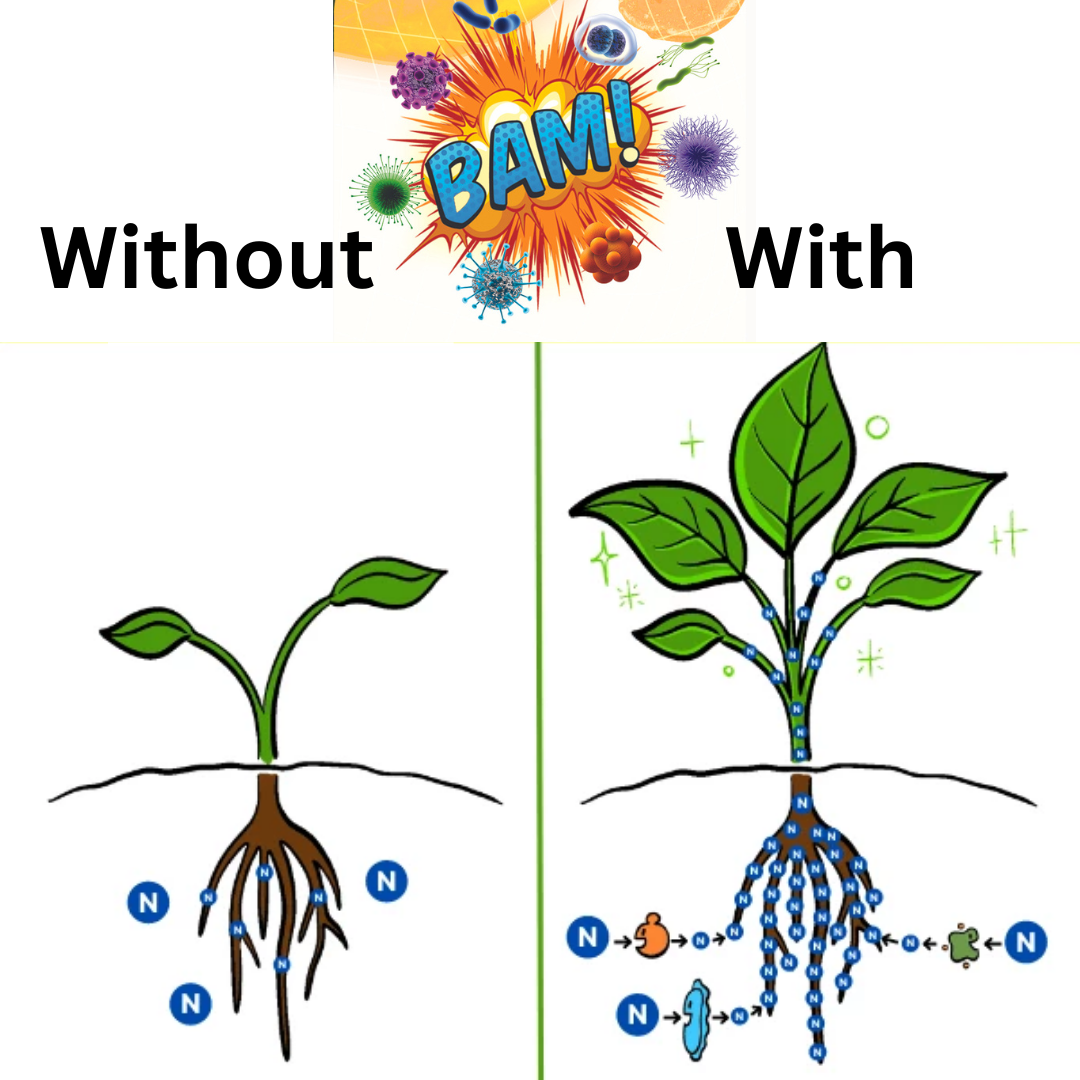
The ionic minerals in Drops of Balance appear to support enhanced plant metabolic functions. This increased metabolic activity may accelerate the natural breakdown of pesticide compounds within plant tissues through enzymatic processes.
Soil Microbiome Support
Pre-treatment of soil with Drops of Balance may enhance beneficial microbial populations that contribute to pesticide degradation. Healthy soil microbiomes are known to metabolize various organic compounds, including pesticides.
Chelation and Neutralization
The ionic nature of the mineral solution may facilitate chelation of pesticide molecules, rendering them less bioavailable and easier for plants to process and eliminate.
Practical Applications for Growers
The research findings have immediate practical implications for agricultural and horticultural applications across various growing systems.
Application Protocols
Based on the study results, optimal application involves:
- Irrigation treatment: Add 1ml of Drops of Balance per gallon of irrigation water
- Soil pre-treatment: For enhanced results, pre-treat growing medium with 5ml per gallon over 72 hours before planting
- Foliar applications: When spraying, use 4ml per gallon and mix thoroughly before adding other amendments
Integration with Existing Programs
Drops of Balance integrates seamlessly with conventional growing protocols without requiring significant modifications to existing practices. The solution can be added to standard irrigation systems or incorporated into hydroponic nutrient solutions.
Economic Considerations
The cost-effectiveness of pesticide residue reduction must be evaluated against potential market benefits. Products with lower pesticide residues often command premium prices and face fewer regulatory restrictions, potentially offsetting treatment costs.
Broader Agricultural Implications
The ability to reduce pesticide residues in living plants represents a significant advancement for sustainable agriculture. Unlike traditional approaches that focus solely on prevention, this method offers remediation capabilities that can address contamination from multiple sources.
Environmental Benefits
Reduced pesticide accumulation in agricultural products may contribute to decreased environmental burden and improved ecosystem health. Plants that more effectively process pesticides may also reduce soil and groundwater contamination.
Food Safety Enhancement
For food crop applications, the ability to reduce pesticide residues directly addresses consumer safety concerns and regulatory compliance requirements.

Study Limitations and Future Research
While the current research provides compelling evidence for pesticide reduction, several areas warrant additional investigation:
Compound Specificity
The study focused specifically on Myclobutanil. Future research should evaluate effectiveness against other persistent pesticides commonly used in agriculture.
Crop Variety Testing
Different plant species and varieties may respond differently to treatment. Comprehensive testing across various crops would strengthen the scientific foundation.
Long-term Effects
Extended studies examining cumulative effects and long-term benefits would provide valuable insights for commercial applications.
Conclusion
The scientific evidence demonstrates that Drops of Balance provides a viable solution for reducing pesticide residues in living plants. The 50% reduction in Myclobutanil levels observed in controlled studies represents a significant advancement in agricultural contamination management.
For growers facing challenges with pesticide residues, this ionic mineral solution offers a scientifically validated approach that integrates with existing growing practices while providing measurable benefits. The technology's potential extends beyond individual operations to support broader agricultural sustainability and food safety objectives.
The complete research report, including detailed methodology, statistical analysis, and comprehensive data sets, is available for review at: https://drive.google.com/file/d/1vVmAr2qIgHbXQMHYQBukbobh8klveBvf/view?pli=1
This peer-reviewed documentation provides additional technical details for researchers, agricultural professionals, and growers seeking to implement evidence-based contamination reduction strategies in their operations.