
Modern Water Filters vs Drops of Balance: Which Is Best for Clean Water?
When it comes to providing clean water for your plants, the choice between traditional water filtration systems and specialized mineral solutions can significantly impact plant health, growth, and resilience. Understanding the scientific differences between modern water filters and ionic mineral treatments like Drops of Balance helps gardeners make informed decisions about their plant care strategies.
Understanding Modern Water Filtration Technology
Modern water filters employ various mechanisms to remove contaminants from tap water. Reverse osmosis (RO) systems use semi-permeable membranes to filter out dissolved solids, heavy metals, and chemical contaminants. Carbon-based filters excel at removing chlorine, volatile organic compounds (VOCs), and improving taste and odor. Multi-stage filtration systems combine these technologies to address multiple contaminant categories simultaneously.
However, traditional filtration systems have inherent limitations when it comes to plant nutrition. While they effectively remove harmful substances, they also strip away beneficial minerals that plants require for optimal growth. This demineralization process can leave water "empty" from a nutritional standpoint, potentially creating deficiencies in essential trace elements that support plant metabolism and disease resistance.
The Ionic Mineral Approach: How Drops of Balance Works
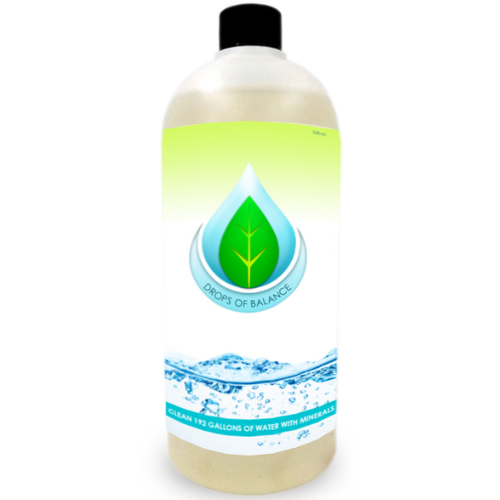
Drops of Balance represents a different approach to water treatment, utilizing ionic sulfated minerals to simultaneously remove contaminants and add beneficial trace elements. This concentrated mineral solution works through ion exchange processes, where harmful substances like fluoride, chlorine, and heavy metals are neutralized while essential minerals are introduced into the water matrix.
The scientific mechanism involves sulfated mineral compounds that have high affinity for toxic elements. When added to water, these minerals bind with contaminants through various chemical processes including adsorption, precipitation, and ion substitution. Simultaneously, the solution releases bioavailable trace minerals including sulfur, potassium, magnesium, and other elements crucial for plant cellular functions.
Using Drops of Balance for Home Drinking Water
Drops of Balance is formulated for both plant irrigation and human drinking water treatment. The same ionic mineral chemistry that binds and removes contaminants for horticultural use also works in household tap water, while supplying trace minerals that many standard filters strip away.
How it works in a glass:
- Ionic exchange and adsorption capture halogens (e.g., chlorine) and many heavy metals.
- Precipitation converts dissolved contaminants into inert particulates that can settle out or be caught by a simple pour-through or sediment filter.
- The solution contributes bioavailable trace minerals (e.g., magnesium, potassium, sulfur) that support clean taste and normal electrolyte balance.
Key contaminant categories targeted:
- Chlorine and chloramine: neutralizes oxidizing disinfectants, reducing taste/odor and oxidative potential.
- Fluoride: binds fluoride ions, reducing dissolved fluoride without demineralizing the water.
- Heavy metals: reduces common metals of concern in drinking water, including lead, mercury, arsenic, and cadmium.
- Pesticides and herbicides: targets common agricultural chemicals such as glyphosate and atrazine via complexation and adsorption mechanisms.
Lab-verified performance for tap water:
- Independent, EPA-certified laboratory testing on municipal tap-water matrices has verified reductions in the categories above. In controlled tests, free chlorine was reduced to non-detect, and substantial reductions were observed for fluoride, lead, arsenic, mercury, and glyphosate. Detailed reports and methods are available on our website.
- Results vary with source-water quality, dosage, and contact time; always follow label directions.
How to use at home:
- Start with potable tap water.
- Add Drops of Balance according to the label for drinking water applications, stir or shake, and allow brief contact time so precipitates can form and settle.
- If visible sediment forms, decant the clear water or pour through a clean coffee filter or fine sediment filter.
- Drops of Balance is not a primary microbiological disinfectant; if microbial contamination is suspected, use boiling or appropriate disinfection.
One bottle, two benefits:
- The same concentrate you keep in the kitchen for drinking water can be used in the garden, supporting healthy soil microbes and plant nutrient uptake. This dual-use approach simplifies routines and reduces cost per gallon across home and garden.
Contaminant Removal Capabilities: A Scientific Comparison
Chlorine and Chloramine Removal
Modern carbon filters excel at chlorine removal, typically achieving 95-99% reduction rates through adsorption processes. Chloramine removal requires specialized catalytic carbon, which not all standard filters include. Drops of Balance addresses both chlorine and chloramine through ionic neutralization, converting these harmful oxidizing agents into harmless compounds while preserving water's mineral content.
Heavy Metal Elimination
RO systems demonstrate superior performance for heavy metal removal, particularly lead, cadmium, and arsenic, achieving reduction rates exceeding 95% for most metals. However, this process also removes beneficial minerals like calcium and magnesium. Drops of Balance shows promising results in heavy metal reduction through ion exchange mechanisms, though specific removal rates vary by metal type and concentration levels.
Fluoride Treatment
Fluoride removal presents challenges for many standard filtration systems. Most carbon filters show minimal fluoride reduction, while specialized activated alumina or RO systems achieve significant removal. Drops of Balance addresses fluoride through ionic binding processes, offering an alternative approach that maintains beneficial mineral content while reducing fluoride levels.
Impact on Beneficial Minerals
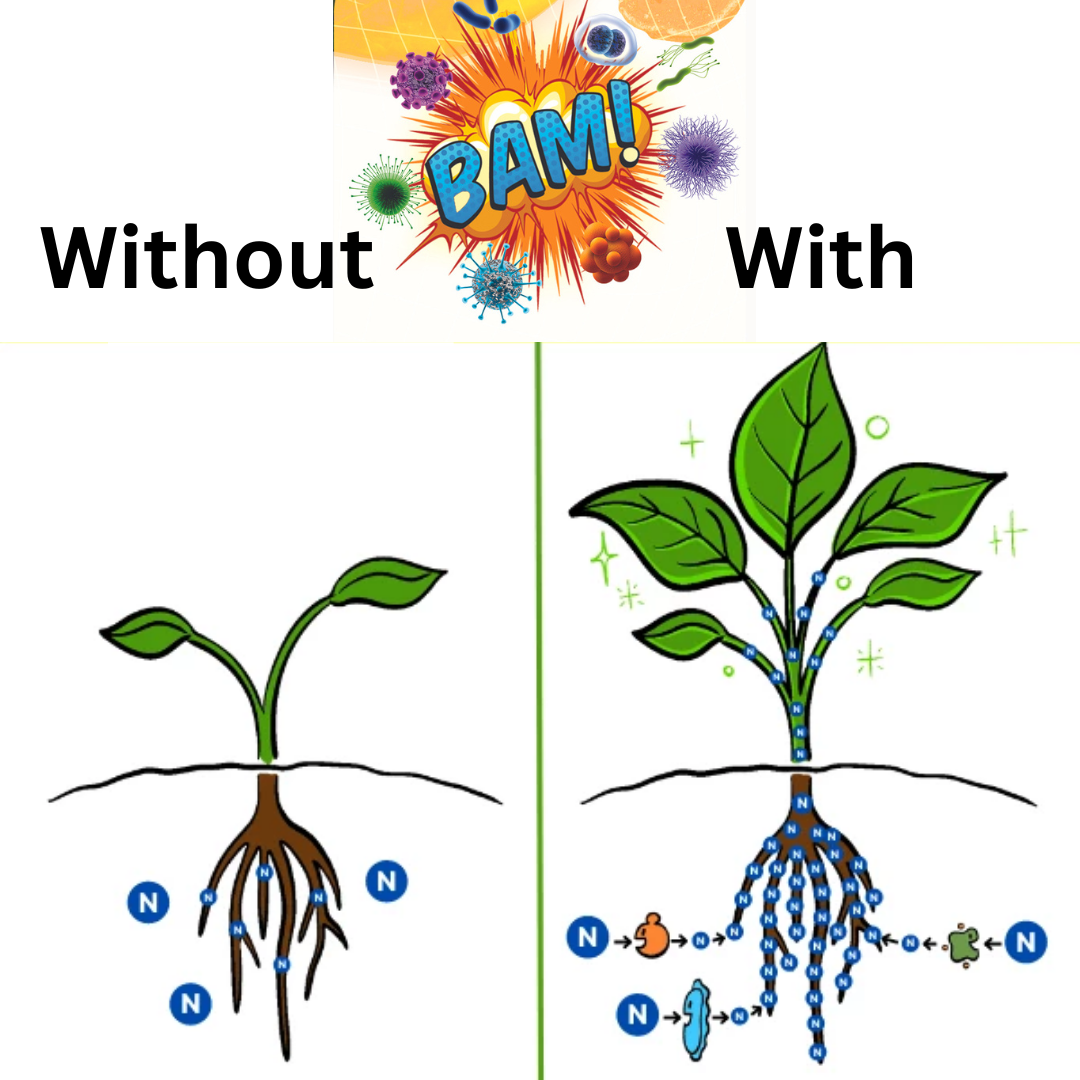
The mineral profile of irrigation water significantly influences plant health and nutrient uptake efficiency. Traditional filtration systems, particularly RO, create demineralized water that may require remineralization for optimal plant growth. Plants rely on dissolved minerals for various physiological processes including photosynthesis, enzyme activation, and cellular transport mechanisms.
Drops of Balance maintains and enhances the mineral profile of treated water. The ionic sulfated minerals provide essential trace elements that support plant metabolism, improve nutrient uptake, and enhance natural defense mechanisms. Laboratory studies suggest that plants irrigated with mineral-enhanced water show improved growth rates, higher cannabinoid and terpene production in applicable crops, and increased resistance to environmental stressors.
Ease of Use and Practical Considerations
Installation and Maintenance
Modern filtration systems require installation of hardware components, regular filter replacements, and ongoing maintenance schedules. RO systems need periodic membrane replacement, storage tank maintenance, and waste water management. Multi-stage systems involve multiple filter change intervals and system monitoring requirements.
Drops of Balance offers simplicity in application. The concentrated solution mixes directly with existing water supplies at specific ratios. No installation, hardware, or complex maintenance procedures are required. Treatment ratios vary by application: typically 0.5ml per gallon for plant irrigation, with adjustments for specific plant needs and water quality conditions.
Storage and Shelf Life
Traditional filter systems require space for equipment installation and replacement filter storage. Some systems need electricity for pump operation or UV sterilization components. Drops of Balance concentrates offer extended shelf life in compact containers, requiring minimal storage space and no electrical requirements.
Cost Analysis and Economic Considerations
Initial Investment
Modern filtration systems involve significant upfront costs ranging from hundreds to thousands of dollars for comprehensive treatment capabilities. Installation costs, replacement filters, and ongoing maintenance add to total ownership expenses. High-quality RO systems with remineralization capabilities represent substantial investments for serious gardeners.
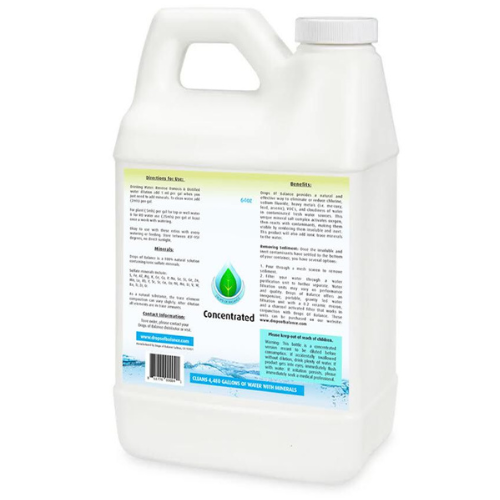
Drops of Balance requires lower initial investment, with concentrate volumes providing treatment for thousands of gallons of water. A 64oz concentrate treats up to 7,568 gallons for plant applications, offering cost-effective treatment over extended periods.
Long-term Operating Costs
Filter replacement schedules create ongoing expenses for traditional systems. RO membranes, carbon filters, and specialized media require regular replacement based on water quality and usage volumes. These recurring costs accumulate significantly over multi-year operation periods.
Concentrated mineral treatments offer predictable, lower ongoing costs. Treatment ratios remain consistent, allowing accurate cost projection per gallon treated. No replacement parts or maintenance services are required, simplifying budget planning for large-scale applications.
Laboratory Evidence and Plant Health Outcomes
Recent field studies examining plant responses to different water treatment methods provide valuable insights into practical effectiveness. Research comparing traditional filtered water versus ionic mineral-treated water demonstrates measurable differences in plant health markers, growth rates, and final crop quality.
Plants irrigated with mineral-enhanced water showed increased cannabinoid content (up to 50% in applicable crops), enhanced terpene profiles (50-75% increase), and improved resistance to fungal infections. Mold incidence decreased significantly in treated groups, with only 10% infection rates compared to 66% in control groups using standard filtered water.
These results suggest that mineral content plays crucial roles in plant immune function and metabolic efficiency. The presence of bioavailable trace elements appears to enhance natural defense mechanisms and optimize cellular processes responsible for secondary metabolite production.
Environmental Impact Considerations
Modern filtration systems generate waste water, particularly RO systems that typically waste 3-4 gallons for every gallon produced. This waste stream contains concentrated contaminants and represents environmental concerns in water-scarce regions. Filter disposal also creates ongoing waste management requirements.
Drops of Balance generates no waste water and requires no disposable components. The concentrated format reduces packaging materials and transportation energy compared to equivalent volumes of treated water. This approach aligns with sustainable gardening practices and resource conservation goals.
Making the Right Choice for Your Plants
The optimal water treatment choice depends on specific gardening requirements, water quality conditions, and budget considerations. Large-scale commercial operations might benefit from comprehensive filtration systems with precise contaminant control capabilities. Home gardeners and smaller operations often find concentrated mineral treatments more practical and cost-effective.
Consider your local water quality, target crops, and long-term gardening goals when evaluating options. Both approaches offer valid solutions to water quality challenges, with different advantages depending on application scale and specific requirements.
For gardeners seeking simplified water treatment with enhanced mineral nutrition, ionic mineral solutions like Drops of Balance provide scientifically-supported benefits with minimal complexity. Traditional filtration systems excel in high-contaminant environments where precise removal specifications are critical.
Understanding these differences empowers gardeners to select water treatment strategies that support healthy plant growth while meeting practical and economic requirements for sustainable cultivation practices.