

How to Create Drought-Resistant Soil in 5 Minutes (Without Expensive Hydrogels or Amendments)
Let's address the elephant in the room: you cannot create truly drought-resistant soil in 5 minutes. Soil science doesn't work that way. However, you can implement immediate strategies that begin building drought resilience and significantly improve your soil's water retention capacity within minutes.
The key lies in understanding what drought-resistant soil actually is and working with the natural processes that govern water retention rather than against them.
The Science Behind Drought-Resistant Soil
Drought-resistant soil possesses three critical characteristics: high organic matter content, optimal soil structure, and enhanced microbial activity. Research from the Rodale Institute's 40-year Farming Systems Trial demonstrates that soil with increased organic matter content can hold substantially more water, approximately 20,000 gallons per acre for each 1% increase in organic matter.
The water-holding capacity of soil depends on its physical structure and biological activity. Clay particles and organic matter create negatively charged surfaces that attract and hold water molecules through electrostatic forces. Meanwhile, soil microorganisms produce polysaccharides and other binding agents that create stable soil aggregates, improving both water infiltration and retention.
What You Can Actually Accomplish in 5 Minutes
While you cannot build lasting drought resistance instantly, you can implement three immediate strategies that begin the process and provide measurable benefits:
Surface Mulching
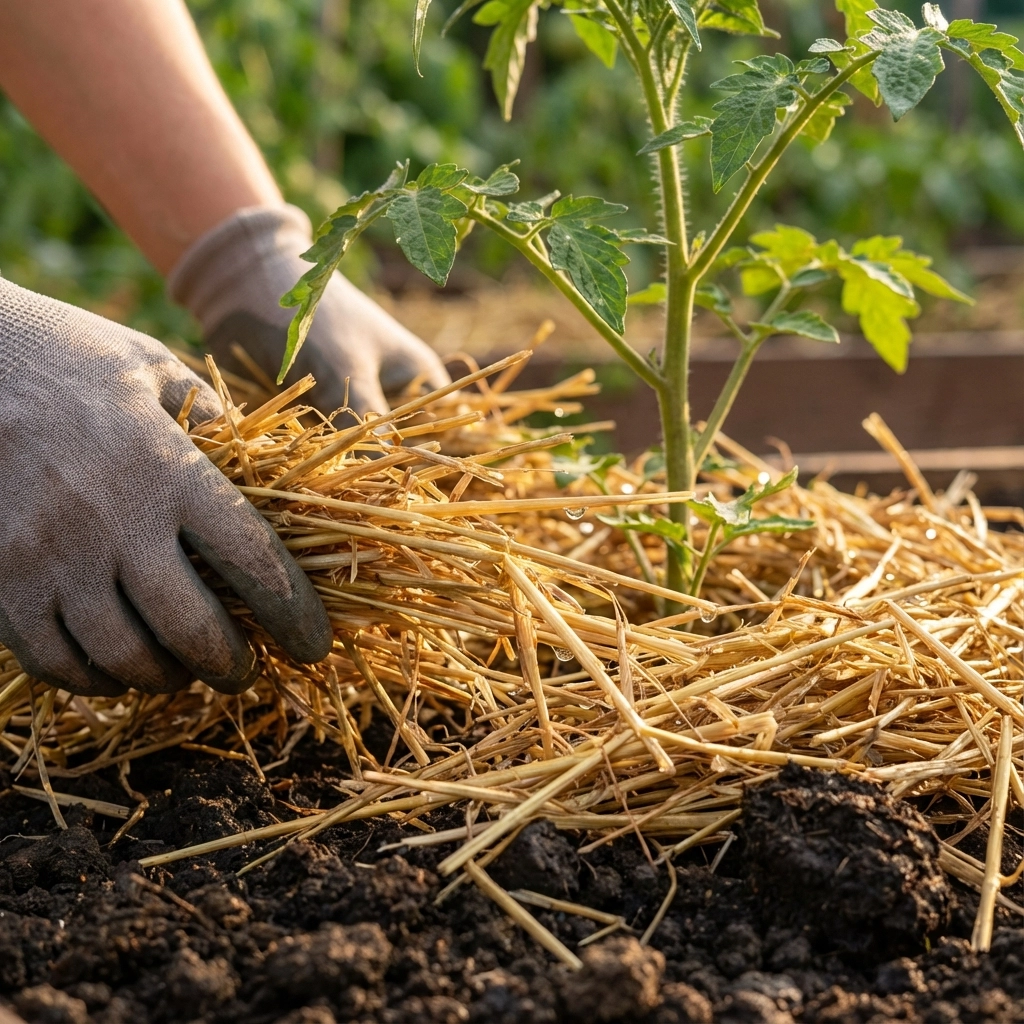
Apply a 2-3 inch layer of organic mulch directly to your soil surface. This creates an immediate barrier against evaporation, reducing surface water loss by up to 70%. Straw, wood chips, grass clippings, or shredded leaves work effectively. The mulch begins decomposing immediately, initiating the long-term organic matter building process.
Water Quality Optimization
The mineral content and purity of your irrigation water significantly impacts soil structure and microbial activity. Tap water containing chlorine, fluoride, and other chemical treatments can disrupt beneficial soil microorganisms that are essential for drought resistance. Using properly mineralized, contaminant-free water supports immediate microbial health and long-term soil structure development.
Strategic Soil Moistening
Apply water slowly and deeply to existing dry soil, allowing complete infiltration before adding more. This technique maximizes water penetration into soil aggregates and root zones, creating immediate drought protection for existing plants while preparing the soil for longer-term improvements.
The Role of Water Quality in Soil Health
Water quality plays a fundamental role in soil biology and structure formation. Municipal water treatment chemicals, particularly chlorine and fluoride, act as broad-spectrum antimicrobials that eliminate beneficial soil microorganisms along with harmful pathogens. These microorganisms are essential for creating the soil structure that enables drought resistance.
Beneficial bacteria and fungi produce extracellular polymeric substances (EPS) that bind soil particles into stable aggregates. These aggregates create the pore spaces necessary for both water infiltration during irrigation and water retention during dry periods. When soil microorganisms are compromised by chemical contamination, this natural aggregation process breaks down, resulting in compacted soils with poor water-holding capacity.
Additionally, trace minerals in irrigation water support enzymatic processes in both plants and soil microorganisms. Deficiencies in essential minerals like magnesium, iron, and zinc can impair root development and reduce the plant's ability to access stored soil moisture during drought conditions.
Microbial Enhancement for Rapid Soil Improvement
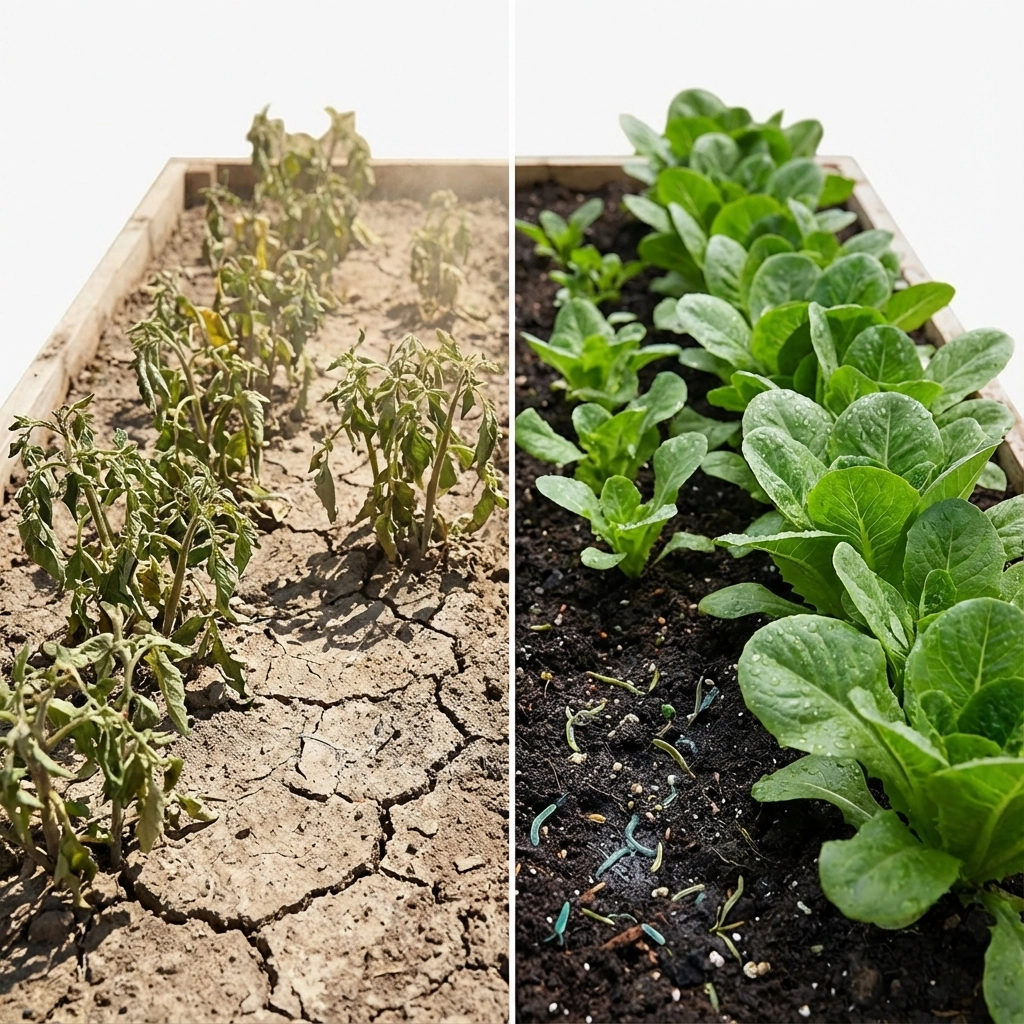
Introducing beneficial microorganisms to soil can accelerate the development of drought-resistant characteristics. Specific bacterial strains produce biofilms and polysaccharides that immediately begin improving soil structure and water retention. Mycorrhizal fungi form symbiotic relationships with plant roots, extending the effective root system and improving water uptake efficiency.
These biological amendments work synergistically with clean, mineralized water to create optimal conditions for soil improvement. The combination supports both immediate plant health and long-term soil development toward drought resistance.
Understanding the Limitations
True drought resistance requires time-dependent processes that cannot be accelerated beyond biological limits. Soil organic matter accumulation occurs through the decomposition of plant residues and microbial biomass, a process that requires weeks to months for measurable changes and years for substantial improvement.
Soil structure development depends on repeated cycles of wetting, drying, freezing, thawing, and biological activity. These processes gradually create the stable aggregate structure necessary for optimal water retention. While beneficial microorganisms can accelerate these processes, they cannot eliminate the time requirement entirely.
Root system development also contributes significantly to drought resistance. Deep, extensive root systems access water from larger soil volumes and create channels that improve water infiltration. Root development is inherently time-dependent and cannot be rushed through quick fixes.
Long-Term Strategies for Maximum Drought Resistance
Building substantial drought resistance requires implementing practices that support ongoing soil improvement:
Cover crop integration maintains living roots in soil year-round, continuously adding organic matter and supporting microbial communities. Different cover crop species contribute varying types of organic matter and support different microbial populations, creating diverse and resilient soil ecosystems.
Reduced tillage practices preserve soil structure and protect microbial communities from mechanical disruption. No-till and minimum-till systems maintain the fungal networks and aggregate structures that are essential for water retention.
Organic matter additions through compost, aged manure, or other organic amendments provide both nutrients and carbon sources for soil microorganisms. Regular organic matter additions sustain the biological processes that create and maintain drought-resistant soil characteristics.
Monitoring and Measurement
Tracking soil improvement helps optimize management strategies and demonstrates progress toward drought resistance. Simple field tests can assess water infiltration rates, moisture retention, and organic matter content. Professional soil testing provides detailed analysis of chemical and biological properties that influence drought resistance.
Regular monitoring also identifies problems early, allowing for corrective actions before significant plant stress occurs. This proactive approach maximizes the effectiveness of drought resistance strategies and ensures continuous improvement in soil health.
The Path Forward
Creating drought-resistant soil is an ongoing process rather than a single intervention. While you cannot achieve meaningful drought resistance in 5 minutes, you can begin implementing strategies that provide immediate benefits and establish the foundation for long-term soil improvement.
Focus on water quality, surface protection, and biological enhancement as your immediate priorities. These actions provide measurable short-term benefits while supporting the longer-term processes that create truly drought-resistant soil. The investment in soil health pays dividends through improved plant performance, reduced irrigation requirements, and greater resilience to weather extremes.
Remember that soil health improvement is cumulative: each positive action builds upon previous efforts, creating momentum toward the ultimate goal of drought-resistant growing conditions that support both plant health and agricultural sustainability.