
Trace Minerals for Plants Secrets Revealed: What the EPA's New Fluoride Guidelines Mean for Your Garden
The Environmental Protection Agency's recent stance on fluoride regulation has sparked nationwide conversations about water quality, but one critical aspect often overlooked is how these guidelines affect our gardens. As of 2024, states like Utah have implemented statewide bans on community water fluoridation, and the EPA has committed to expeditiously reviewing new scientific data on fluoride's environmental impact. For gardeners and plant enthusiasts, understanding these changes is crucial for maintaining healthy, productive growing environments.
Understanding the EPA's Evolving Fluoride Position
The EPA's regulatory framework for fluoride has traditionally focused on drinking water standards for human consumption, setting maximum allowable levels at 4 parts per million (ppm) to prevent dental fluorosis and other health concerns. However, recent federal court rulings have ordered the EPA to regulate fluoridation more stringently, particularly as mounting scientific evidence suggests potential risks at lower exposure levels.
This regulatory shift carries significant implications for irrigation water used in home gardens, commercial agriculture, and hydroponic systems. When municipal water supplies contain fluoride levels approaching current EPA limits, plants may experience cumulative exposure effects that traditional gardening wisdom hasn't adequately addressed.
How Fluoride Impacts Plant Physiology
Research indicates that fluoride accumulation in plant tissues can interfere with essential enzymatic processes, particularly those involving chlorophyll synthesis and photosystem II functionality. Plants absorb fluoride primarily through their root systems, where it can disrupt calcium uptake mechanisms and interfere with cell wall formation.

Sensitive species, including many common garden vegetables, show visible symptoms of fluoride toxicity at concentrations as low as 0.5-1.0 ppm in irrigation water. These symptoms manifest as leaf tip burn, chlorosis (yellowing), and stunted root development. Tomatoes, lettuce, and leafy greens are particularly susceptible, often displaying reduced yields and compromised nutritional density when exposed to fluoridated water over extended periods.
The physiological stress caused by fluoride exposure also makes plants more vulnerable to pathogen attacks and environmental stressors like drought or temperature fluctuations. This creates a cascading effect where fluoride doesn't just directly harm plants: it undermines their natural defense mechanisms.
The Critical Role of Trace Minerals in Plant Health
While fluoride poses challenges, the solution lies in understanding the complex interplay of trace minerals essential for optimal plant growth. Plants require over 16 essential elements, including macronutrients like nitrogen, phosphorus, and potassium, as well as crucial micronutrients such as iron, manganese, zinc, and boron.

These trace minerals function as cofactors in enzymatic reactions, structural components of essential molecules, and regulators of metabolic processes. For instance, iron is integral to chlorophyll synthesis and electron transport chains, while zinc activates over 60 different enzymes involved in protein synthesis and gene expression.
When plants receive optimal trace mineral nutrition, they develop stronger cellular structures, more efficient photosynthetic processes, and enhanced stress tolerance. This nutritional foundation enables plants to better cope with environmental challenges, including exposure to potentially harmful compounds like excessive fluoride.
Water Quality's Hidden Impact on Garden Success
Many gardeners focus extensively on soil amendments and fertilizers while overlooking the fundamental importance of water quality. Municipal tap water, while safe for human consumption, often contains chlorine, chloramines, heavy metals, and fluoride that can significantly impact plant health over time.
Chlorine, commonly used for water disinfection, can kill beneficial soil microorganisms that form symbiotic relationships with plant roots. These microorganisms, including mycorrhizal fungi and nitrogen-fixing bacteria, are essential for nutrient uptake and disease resistance.

The cumulative effect of using treated municipal water for irrigation can gradually degrade soil biology, reduce nutrient availability, and create conditions that favor plant stress and disease. This explains why many gardeners notice improved plant performance when switching to filtered or properly treated water sources.
The Science Behind Effective Water Treatment for Gardens
Effective water treatment for gardening applications requires a multi-faceted approach that addresses contaminant removal while preserving or enhancing beneficial mineral content. Simple filtration methods like activated carbon can remove chlorine but may not address fluoride or restore essential trace minerals.
Advanced treatment systems utilize multiple mechanisms: ion exchange for heavy metal removal, selective filtration for fluoride reduction, and mineral supplementation to ensure optimal plant nutrition. The goal is creating water that not only avoids harm but actively promotes plant health through proper mineral balance.

Research demonstrates that plants irrigated with properly mineralized water show measurably improved root development, increased chlorophyll content, and enhanced fruit production compared to those receiving standard municipal water. These improvements become particularly pronounced during stress conditions like drought or extreme temperatures.
Practical Solutions for Garden Water Treatment
Implementing effective water treatment for gardening doesn't require industrial-scale equipment. Concentrated mineral solutions offer a practical approach for home gardeners to address both contaminant removal and mineral supplementation simultaneously.
These solutions work through carefully balanced formulations that bind to harmful compounds like fluoride, chlorine, and heavy metals while releasing essential trace minerals in bioavailable forms. The process effectively neutralizes potentially harmful substances while creating an optimal mineral profile for plant uptake.
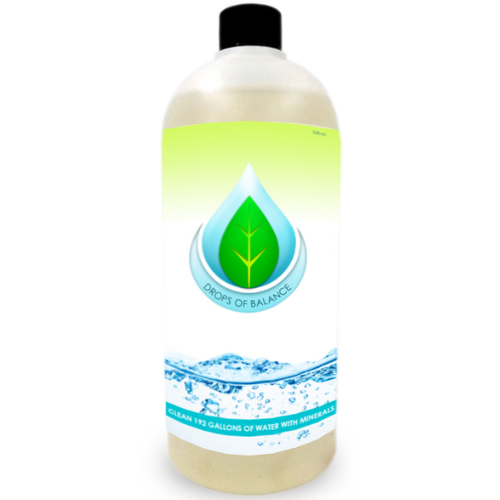
Application rates vary depending on water source and intended use. For general irrigation, lower concentrations provide sufficient treatment for large volumes of water. Hydroponic systems and container gardening may require different ratios to account for concentrated nutrient delivery and root zone dynamics.
Maximizing Plant Performance Through Mineral Optimization
Beyond addressing water quality concerns, strategic mineral supplementation can dramatically enhance plant performance and resilience. Plants grown with optimized trace mineral nutrition demonstrate improved photosynthetic efficiency, stronger structural integrity, and enhanced production of secondary metabolites that contribute to flavor, nutritional density, and natural pest resistance.
The key lies in providing minerals in balanced ratios that mirror natural soil conditions where plants evolved. Excessive levels of individual minerals can create antagonistic effects, blocking uptake of other essential elements and potentially causing toxicity symptoms.
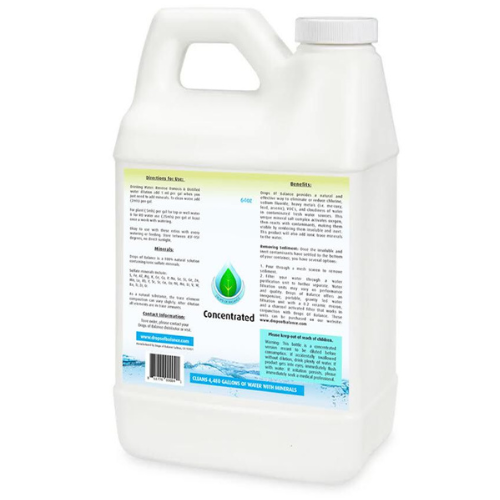
Foliar application of mineral solutions can provide rapid correction of deficiencies while soil-applied treatments create long-term nutritional foundations. This dual approach ensures both immediate plant needs and sustained growth throughout the growing season.
Future Implications for Home Gardening
As EPA fluoride guidelines continue evolving and more municipalities reconsider water fluoridation practices, gardeners must adapt their water management strategies accordingly. The trend toward reduced fluoridation in some regions may alleviate certain plant stress factors, but it doesn't eliminate the need for comprehensive water treatment approaches.
Climate change is increasing the importance of plant stress tolerance, making proper mineral nutrition more critical than ever. Plants facing heat stress, drought conditions, and extreme weather events require optimal nutritional support to maintain productivity and survive challenging conditions.
Understanding the connection between water quality, mineral nutrition, and plant health empowers gardeners to create more resilient, productive growing systems. As scientific knowledge advances and regulatory frameworks evolve, gardeners equipped with proper water treatment knowledge will be best positioned to maintain thriving gardens regardless of changing municipal water conditions.
The intersection of EPA regulations, water quality, and plant nutrition represents a crucial frontier for modern gardening success. By addressing these factors systematically, gardeners can achieve remarkable improvements in plant health, yield, and resilience while contributing to more sustainable growing practices for the future.