

How to Grow Sweet, Juicy Strawberries: The Secret to Success in 2026
There's nothing quite like biting into a homegrown strawberry: that burst of sweetness, the juicy texture, the flavor that store-bought berries just can't match. But here's the thing: growing strawberries that actually taste like strawberries takes more than just good soil and sunshine.
In 2026, one of the biggest obstacles standing between you and those perfect berries is something you probably haven't considered: your tap water.
Let's break down exactly how to grow sweet, juicy strawberries this season: and why the water you use might be the game-changer you've been missing.
Why Strawberries Are Worth the Effort
Strawberries are one of the most rewarding crops for home gardeners. They're relatively low-maintenance, produce fruit quickly, and a single plant can yield berries for years when properly cared for. Plus, homegrown strawberries contain significantly more flavor compounds than their commercial counterparts, which are often picked underripe for shipping.
But achieving that next-level sweetness requires attention to detail: especially when it comes to soil health and water quality.
Step 1: Choose the Right Location
Strawberries are sun-lovers. For maximum fruit production, they need a minimum of six hours of direct sunlight daily, though ten or more hours is ideal. More sun means more photosynthesis, which translates directly to sweeter, more flavorful berries.
When selecting your spot, avoid low-lying areas where cold air settles. Late spring frosts can damage blossoms and wipe out your harvest before it even begins. A slightly elevated, south-facing location works best in most climates.
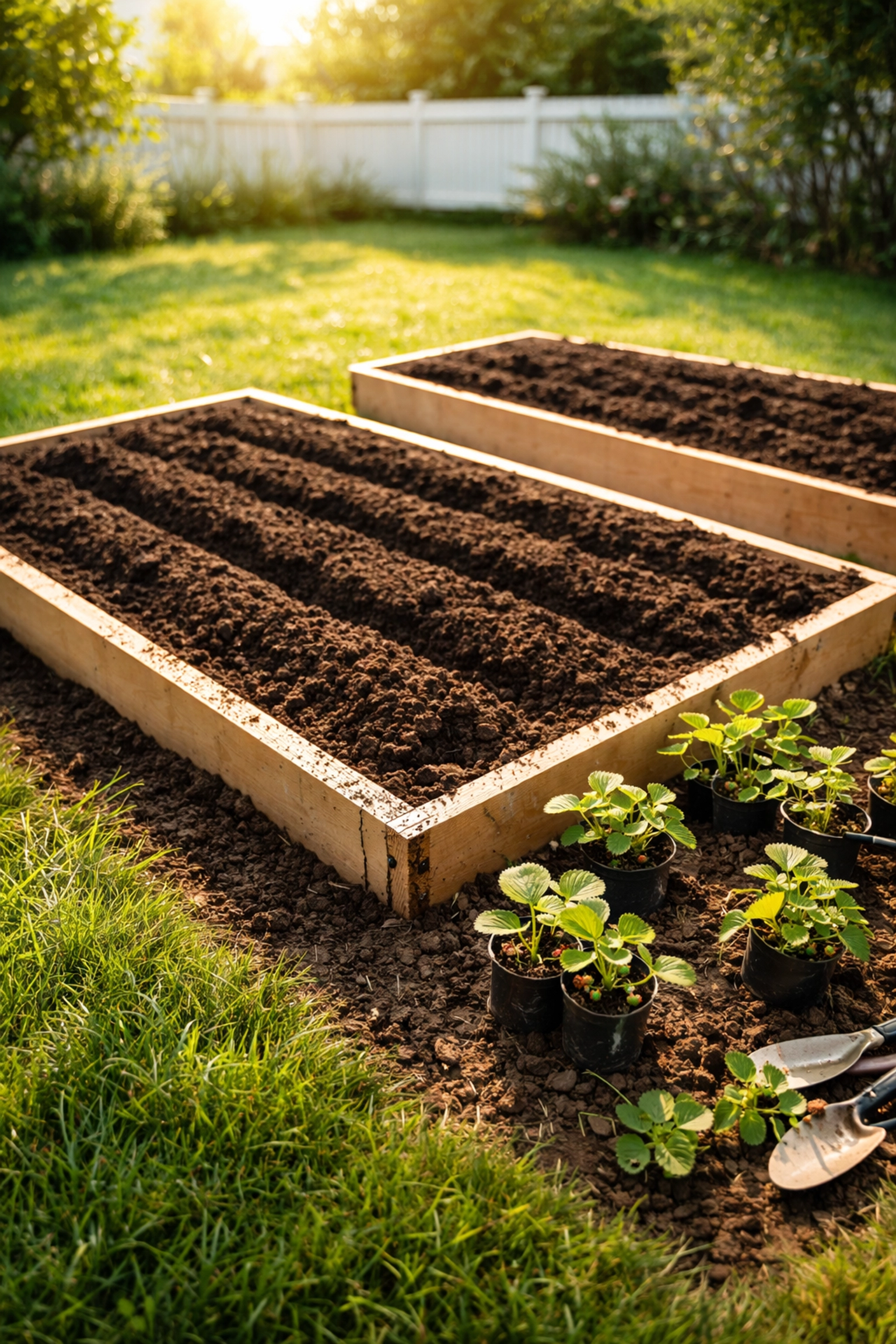
Step 2: Prepare Your Soil Like a Pro
Soil preparation is where many gardeners either set themselves up for success or unknowingly sabotage their crop. Strawberries thrive in well-drained soil with a slightly acidic pH between 6.0 and 6.5.
Here's how to get your soil ready:
- Start 2-3 weeks before planting. This gives amendments time to integrate properly.
- Incorporate organic matter. Compost, aged straw, or peat moss improves drainage and nutrient retention.
- Test your pH. If your soil is too alkaline, sulfur can help lower it. If it's too acidic, agricultural lime works in the opposite direction.
- Mix in a balanced fertilizer. A 10-10-10 formula at one pound per 100 square feet provides a solid foundation.
The goal is creating an environment where beneficial soil microbes can thrive: because those microbes are essential for nutrient uptake and disease resistance. More on that shortly.
Step 3: Plant at the Right Time (and Depth)
Timing matters. Plant your strawberries in early spring once soil temperatures reach approximately 50°F. This gives roots time to establish before the heat of summer.
The most common planting mistake? Burying the crown. The crown: where the roots meet the shoots: should sit exactly at soil level. Too deep, and it rots. Too shallow, and the roots dry out.
Space plants 12-18 inches apart, with rows 48-52 inches apart if using the matted row system. Give each plant a thorough watering immediately after planting: at least a pint per plant.
The Hidden Problem: What's in Your Water?
Here's where most strawberry guides stop. They tell you to "water regularly" and move on. But what they don't mention is that what's in your water can make or break your entire crop.
Municipal tap water contains chlorine, chloramines, and fluoride: chemicals added for human safety that wreak havoc on your garden.
Chlorine and chloramines are disinfectants. They're designed to kill bacteria. The problem? They don't discriminate. When you water your strawberries with untreated tap water, you're essentially sterilizing your soil, killing the beneficial microbes your plants depend on for nutrient absorption.
Fluoride is equally problematic. Research has shown that fluoride accumulates in soil and plant tissue, potentially stunting growth and reducing fruit quality. Strawberries, with their shallow root systems, are particularly vulnerable.
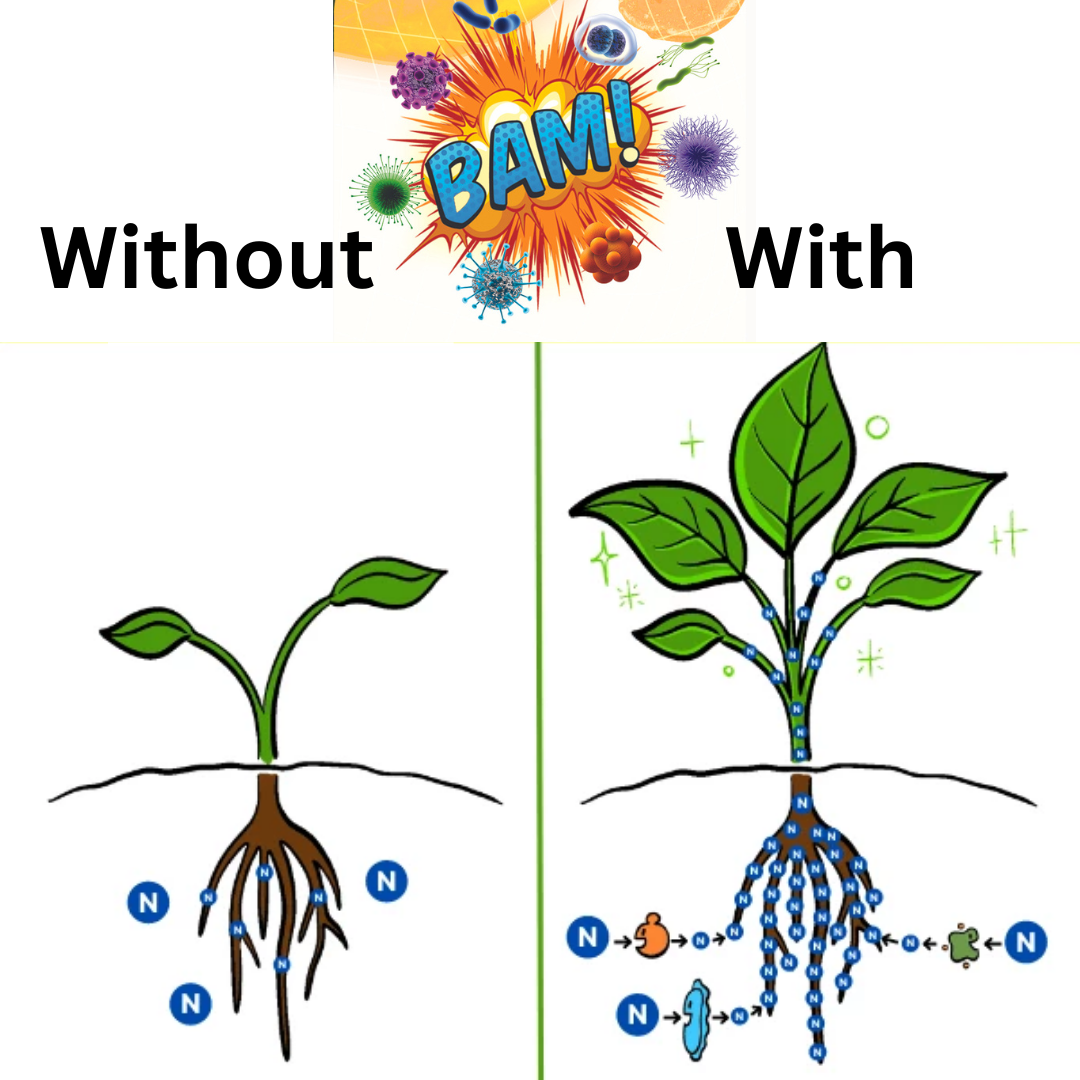
The difference is striking. Plants watered with treated water show dramatically better growth, stronger root systems, and healthier soil biology compared to those receiving straight tap water.
The Water Fix: How Drops of Balance Changes Everything
So what's the solution? Expensive filtration systems? Collecting rainwater? There's actually a much simpler approach.
Drops of Balance is a concentrated mineral solution that neutralizes chlorine, chloramines, and fluoride in tap water while simultaneously adding sulfated trace minerals that plants crave.
Here's why this matters for your strawberries:
-
Protected soil microbes. By removing the chemicals that kill beneficial bacteria and fungi, you're preserving the living ecosystem that makes nutrients available to your plants.
-
Sulfated trace minerals. Strawberries need more than just NPK (nitrogen, phosphorus, potassium). Trace minerals like zinc, manganese, and iron are essential for enzyme production, chlorophyll synthesis, and fruit development. Sulfated minerals are more bioavailable than other forms, meaning your plants can actually use them.
-
Better flavor and higher yields. When soil biology thrives and trace minerals are abundant, strawberries produce more secondary metabolites: the compounds responsible for that intense, sweet flavor.
The application is simple: add the recommended amount to your watering can or irrigation system, and you've transformed problematic tap water into a growth-enhancing solution.
For more details on how fluoride affects your garden, check out our guide on fluoride in garden water.
Step 4: Water Strategically
Strawberries need consistent moisture, but overwatering invites fungal diseases like powdery mildew and root rot.
Best practices for watering strawberries:
- Water at the base of the plant, not on the leaves
- Use drip irrigation or hand-watering for precision
- Water in the morning on sunny days so foliage dries quickly
- Maintain even moisture: about 1-2 inches per week during the growing season

By treating your water with Drops of Balance before each watering, you're ensuring that every drop supports: rather than harms: your soil ecosystem.
Step 5: Mulch for Success
Mulching serves multiple purposes for strawberry plants:
- Suppresses weeds that compete for nutrients
- Regulates soil temperature
- Retains moisture
- Keeps fruit clean and reduces rot
Use straw, pine needles, or shredded leaves. Apply a 2-4 inch layer around plants, keeping it slightly away from the crown to prevent rot. In colder climates, add additional mulch (about 4 inches) after plants go dormant in fall, then remove it in early spring before new growth begins.
Step 6: Manage Runners and Flowers
Strawberry plants produce runners: long stems that create new "daughter" plants. While this sounds great, too many runners divert energy from fruit production.
In the first year:
- Allow 2-4 daughter plants to root on each side of the mother plant
- Space new plantlets 5-8 inches apart
- Remove excess runners throughout the season
About those first-year flowers: It's tempting to let them fruit immediately, but pinching off blossoms during the first few weeks encourages stronger root and runner development. This sacrifice pays dividends with significantly higher yields in subsequent years.
Step 7: Harvest at Peak Ripeness
Unlike commercial growers who pick underripe fruit for shipping durability, you can wait until your strawberries reach peak ripeness.
Harvest when berries are fully red with no white or green patches. Pick in the morning after dew has dried: this reduces the spread of fungal diseases and ensures the best flavor and texture.
Harvest every 2-3 days during peak season. Ripe strawberries don't wait around.
Putting It All Together
Growing sweet, juicy strawberries in 2026 isn't complicated, but it does require understanding what your plants actually need: and what's working against them.
The fundamentals haven't changed: full sun, well-prepared soil, proper spacing, and consistent care. But the game-changer that most gardeners overlook is water quality.
By treating your tap water with Drops of Balance, you're removing the chemicals that kill beneficial soil microbes while adding the sulfated trace minerals that drive flavor and yield. It's a simple step that transforms ordinary strawberries into something extraordinary.
Your soil microbes will thrive. Your plants will flourish. And those first bites of summer? Absolutely worth it.