
Indoor Jungle Survival: Keeping Your Houseplants Happy All Winter
As the autumnal equinox passes and temperatures begin to drop across the Northern Hemisphere, indoor gardeners face a unique set of physiological challenges for their botanical collections. While we retreat into the warmth of our homes, our houseplants: many of which originate from tropical or sub-tropical climates: enter a period of significant environmental stress. Shorter photoperiods, decreased humidity from central heating, and the inherent risks of stagnant water in dormant soil can quickly turn a thriving indoor jungle into a struggling one.
Successfully transitioning your plants for the winter season requires more than just moving them away from a drafty window. It involves an understanding of plant metabolism, water chemistry, and the critical role of trace minerals for plants. By adopting a proactive, scientifically grounded approach to indoor plant care, you can ensure your green companions don't just survive the winter but maintain the cellular integrity needed for a vigorous spring "awakening."
The Transition: Managing Environmental Shock
When plants are moved from a summer porch or balcony to an indoor environment, they experience an immediate shift in atmospheric conditions. Outdoor light levels, even in partial shade, are exponentially higher than those found in most living rooms. Furthermore, the transition from fresh, moving air to the static, dry air of a heated home can trigger a shock response, often manifested as yellowing leaves or premature leaf drop.
To mitigate this, the transition should be gradual. Begin by bringing plants inside during the night and placing them back outside during the day for a week. This allows the plant's stomata: the microscopic pores on the leaves: to adjust their transpiration rates. Once permanently indoors, the focus shifts to three main pillars: light optimization, humidity management, and precise hydration.
The Light Equation: Maximizing Photosynthetic Efficiency
In winter, the angle of the sun changes, and the duration of daylight decreases. For a plant, light is the primary energy source required to fuel all biological processes. When light levels drop below a certain threshold, the plant cannot produce enough glucose to sustain its current biomass, leading to self-pruning (dropping lower leaves).
To counteract this:
- Relocate: Move high-light plants (like Ficus or succulents) to south- or west-facing windows.
- Clean the Foliage: Dust acts as a physical barrier to photons. Wiping leaves with a damp cloth every two weeks can significantly increase a plant's ability to absorb available light.
- Supplemental Lighting: If natural light is insufficient, utilizing full-spectrum LED grow lights for 12–14 hours a day can bridge the gap.

The Humidity Gap and Transpiration Stress
Most houseplants thrive in humidity levels between 50% and 70%. In contrast, a heated home in winter can see humidity levels drop below 20%. This creates a massive vapor pressure deficit (VPD). The dry air essentially "sucks" moisture out of the leaves faster than the roots can replenish it, especially if the root system is sluggish due to cooler soil temperatures.
This imbalance results in the classic "crispy" brown tips seen on Marantas, Calatheas, and Ferns. To manage this, grouping plants together creates a localized microclimate where shared transpiration raises the surrounding humidity. Utilizing pebble trays or high-quality humidifiers is essential for sensitive species.
Water Treatment for Plants: The Danger of Stagnation
Perhaps the most common cause of houseplant mortality in winter is overwatering. During the winter months, most plants enter a state of semi-dormancy. Their metabolic rate slows down, and they require significantly less water.
When a gardener continues a summer watering schedule, the soil remains saturated for extended periods. This creates an anaerobic (oxygen-poor) environment. Plant roots require oxygen to perform cellular respiration; without it, the roots begin to die, providing a feast for opportunistic fungi and bacteria. This is commonly known as root rot.
Avoiding Stagnant Water
Stagnant water in a pot is a breeding ground for pathogens. It is imperative to check the soil moisture levels manually. Inserting a finger two inches into the substrate is often more reliable than electronic meters. If the soil is moist, withhold water.
Furthermore, the quality of the water used is paramount. Municipal tap water often contains high levels of chlorine and fluoride. In the summer, active growth can sometimes mask the effects of these chemicals, but in the winter, when growth is slow, these toxins accumulate in the leaf tips, causing necrosis.
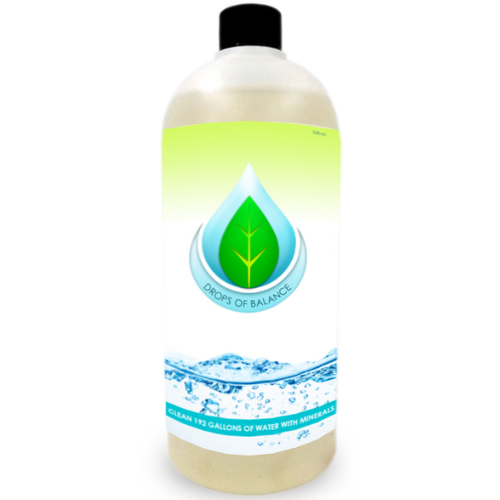
Using a water treatment for plants like Drops of Balance helps to neutralize these harmful contaminants. By adding a concentrated mineral solution to your watering can, you precipitate out heavy metals and neutralize the toxic effects of fluoride and chlorine, ensuring that the little water your plants do receive is of the highest biological quality.
The Role of Trace Minerals in Winter Resilience
A common misconception in indoor gardening is that plants should not be "fed" during the winter. While it is true that high-nitrogen fertilizers (which promote rapid, "soft" green growth) should be avoided to prevent leggy, weak stems, the plant still requires essential minerals for basic metabolic maintenance.
Trace minerals for plants act as catalysts for enzymatic reactions. They are the "nuts and bolts" of the plant's immune system. Without adequate mineralization, a plant becomes more susceptible to temperature fluctuations and pest infestations.
Drops of Balance provides an array of sulfate-based ionic minerals that are immediately bioavailable. Instead of forcing growth, these minerals support the plant's cellular structure and help maintain the osmotic pressure required to move nutrients from the roots to the foliage. This ionic mineral support acts as a "buffer" against the harsh indoor winter environment.
Soil Health and the Microbial Connection
Healthy soil is not just a medium for roots; it is a living ecosystem. During winter, the microbial activity in the soil often slows down. These microbes are responsible for breaking down organic matter and making nutrients available to the plant.
To maintain a healthy soil biome indoors, consider incorporating a microbial inoculant like BAM! (Beneficial Aerobic Microbes). Even in winter, maintaining a population of beneficial bacteria ensures that the rhizosphere (the area around the roots) remains protected against pathogenic fungi. When used in conjunction with mineralized water, you create a synergistic environment where the minerals feed the microbes, and the microbes support the plant.
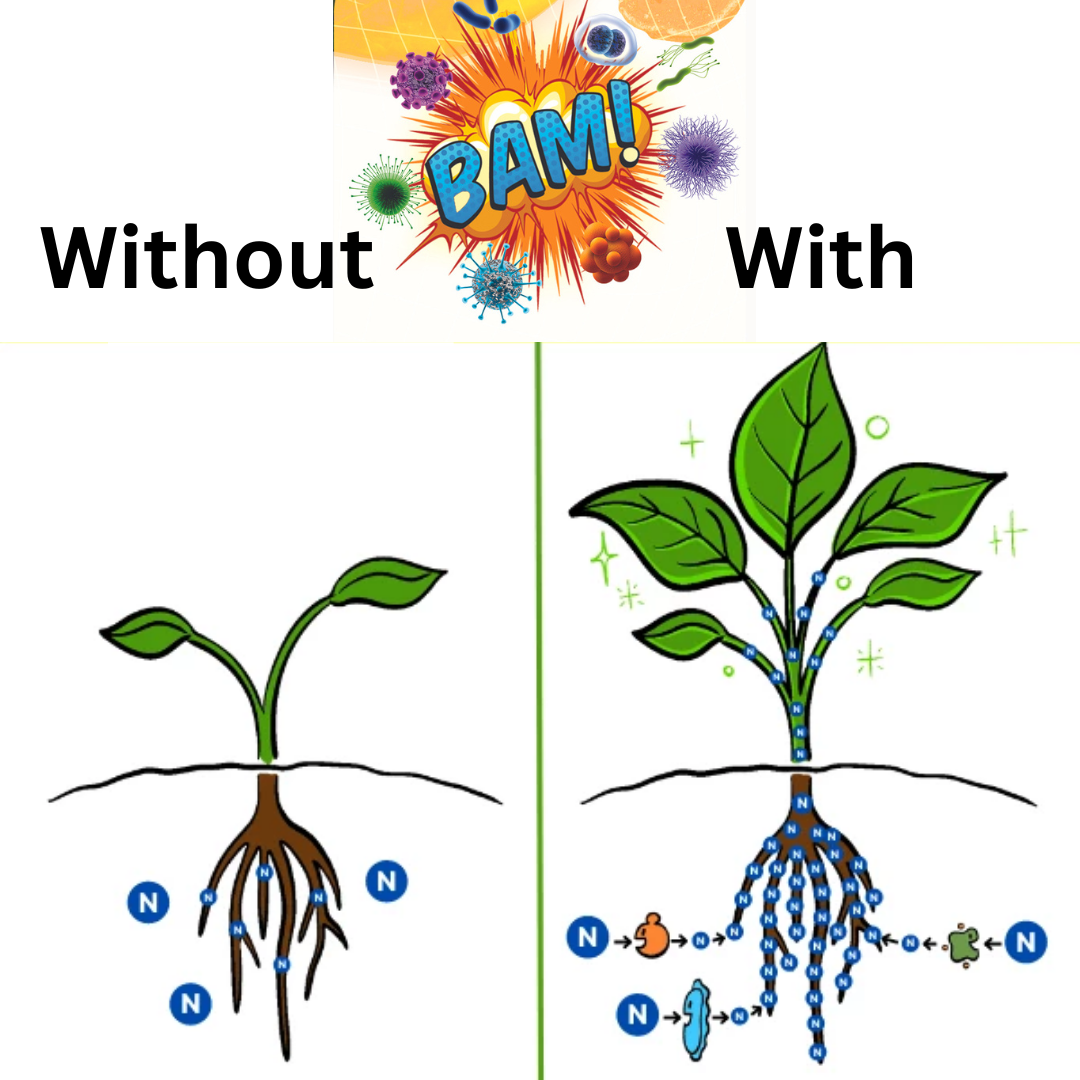
By using BAM!, you are effectively "pre-conditioning" the soil for the spring, ensuring that as soon as light levels increase, the plant has a robust microbial army ready to facilitate rapid growth.
Proactive Pest Management
Winter is the prime season for indoor pests like spider mites and fungus gnats. Spider mites thrive in the hot, dry air produced by radiators. Fungus gnats, on the other hand, are the result of the previously mentioned stagnant, overwatered soil.
- Quarantine: Before bringing any outdoor plant inside, check the undersides of the leaves and the soil surface for hitchhikers.
- Regular Inspections: Every time you water, take a moment to inspect the new growth and leaf axils.
- Mechanical Cleaning: A strong spray of water in the shower can physically dislodge many pests before they become an infestation.

Strategic Mineralization Schedule
For health-conscious gardeners, the goal is to provide the plant with exactly what it needs, without the waste of synthetic run-off.
- Step 1: Treat your tap water with Drops of Balance. This cleans the water of harmful chemicals that stress the plant during its dormant phase.
- Step 2: Add a small dose of microbial support. This keeps the soil "alive" even when the plant is "sleeping."
- Step 3: Use room-temperature water. Cold water from the tap can shock the roots of tropical plants, leading to vascular collapse.
By focusing on high-quality hydration and essential trace minerals for plants, you are providing the foundational elements of life. Your indoor jungle is an investment in your home's air quality and your own mental well-being. Treating it with the scientific care it deserves ensures that the "winter blues" never reach your leaves.
As you navigate the colder months, remember that "less is more" regarding quantity, but "quality is everything" regarding the water and minerals you provide. Keeping your plants healthy through the winter isn't just about survival; it's about setting the stage for a spectacular spring.