
Is Your Tap Water Winter-Ready? What You Need to Know
As the calendar flips to October and the first frost begins to settle on the landscape, most of us focus on "winterizing" our lives. We pull out the heavy coats, check the furnace, and swap out the tires on our cars. However, one of the most critical systems in our homes often goes overlooked until something goes wrong: the water supply.
Seasonal shifts do more than just change the temperature outside; they fundamentally alter the chemistry and safety of the water flowing through your taps. From physical infrastructure risks like frozen pipes to the chemical adjustments made by municipal water treatment plants, winter presents a unique set of challenges for anyone focused on health and wellness. Understanding these shifts is the first step in ensuring your household remains hydrated with clean, mineral-rich water all season long.
The Science of Cold Water: How Temperature Affects Chemistry
From a chemical perspective, water behaves differently as it cools. One of the most significant changes involves the solubility of gases. Unlike solids (which generally dissolve better in warm water), gases like oxygen, nitrogen, and: crucially: chlorine are more soluble in cold water. This means that as source water from lakes and rivers drops in temperature, it can actually retain higher concentrations of dissolved gases and certain volatile organic compounds (VOCs).
Furthermore, cold water is denser. This change in density affects how sediment and particulates settle in municipal reservoirs and your home’s plumbing. During the transition into winter, "turnover" in natural water bodies can stir up bottom-dwelling minerals and organic matter, which then enter the treatment stream.

Municipal Adjustments and the Chemical Load
Municipal water treatment plants are forced to adapt to seasonal changes. When source water is cold, the effectiveness of certain coagulants (chemicals used to clump particles together so they can be filtered out) can decrease. To compensate, many facilities adjust their chemical dosages.
Chlorine Fluctuations
Chlorine is the standard disinfectant used to kill pathogens. Because it stays in cold water longer before "off-gassing," you might notice a stronger "pool-like" smell from your tap during the winter months. While necessary for killing bacteria in the miles of pipes leading to your home, residual chlorine is an oxidant that can affect gut health and skin hydration.
The Persistence of Fluoride
Unlike chlorine, which can eventually evaporate, fluoride is a persistent additive. It remains in the water regardless of temperature. For health-conscious individuals, the goal is often to remove fluoride from water to avoid the potential systemic effects of long-term ingestion. Winter doesn't change the fluoride content, but because we often drink more warm beverages (teas, coffees, soups) made with tap water in the winter, our cumulative intake can actually increase.
Physical Infrastructure Risks: More Than Just Bursts
The most common winter water worry is the frozen pipe. When water freezes, it expands by approximately 9%. This expansion creates immense pressure: not necessarily at the point of the ice blockage, but between the ice and the closed faucet.
Why Pipe Integrity Matters for Water Quality
Even if a pipe doesn't burst, the extreme pressure and the subsequent thawing process can dislodge "scale" or "biofilm" from the interior of older pipes. This scale often contains accumulated heavy metals like lead, copper, or manganese. When the ice melts and water flow resumes, these particulates are carried directly to your glass.
In more severe cases, winter water main breaks are frequent due to the "freeze-thaw" cycle of the ground. When a main break occurs, the pressure drop can allow groundwater, soil, and bacteria to seep into the clean water line. This is why "Boil Water Advisories" are so common during the winter months.
Implementing Effective Water Treatment Solutions
Given these seasonal variables, relying solely on municipal treatment is often insufficient for those prioritizing optimal health. Modern water treatment solutions must be able to handle both the chemical additives (like chlorine and fluoride) and the physical contaminants (like heavy metals and micro-sediments).
The Role of Ionic Sulfate Minerals
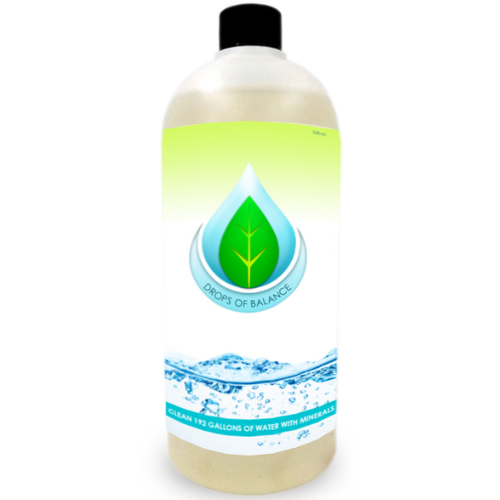
At Drops of Balance, we utilize a specific mineral-based approach to water purification. Our concentrated mineral solution contains ionic sulfate minerals that act as a natural coagulant and flocculant. When added to tap water, these minerals react with dissolved contaminants.
- Coagulation: The minerals neutralize the electrical charge of contaminants like fluoride, chlorine, and heavy metals.
- Flocculation: These neutralized particles clump together, becoming heavy enough to settle at the bottom of the container or be easily caught by a fine filter.
- Mineralization: While removing the "bad," the solution replenishes the water with essential trace minerals that are often stripped away during industrial filtration processes like Reverse Osmosis (RO).
Winterizing Your Hydration Strategy
To stay "winter-ready," consider these three pillars of seasonal water health:
1. Protection and Insulation
Before the deep freeze hits, identify pipes in unheated areas (attics, crawl spaces, garages). Use foam pipe sleeves or heat tape to prevent freezing. Knowing where your main water shut-off valve is located is essential; if a pipe does burst during a freeze, shutting the water off immediately can save thousands of dollars in structural damage and prevent the growth of winter mold.
2. Advanced Purification
Because of the increased chemical load and the risk of sediment from infrastructure stress, winter is the best time to audit your filtration. If you are using a standard pitcher filter, be aware that many do not effectively remove fluoride from water. Supplementing your routine with Drops of Balance ensures that you are treating the water at a molecular level, pulling out the toxins that standard carbon filters might miss.
3. Indoor Garden Care
Winter isn't just hard on humans; it’s a difficult transition for houseplants and indoor "victory gardens." As we move plants inside to escape the frost, they become entirely dependent on tap water. The higher chlorine levels found in winter tap water can be toxic to sensitive roots and beneficial soil microbes. Using mineralized, purified water helps maintain the "living" aspect of your soil even when the ground outside is frozen solid.

The Importance of Trace Minerals in Winter
In the winter, our bodies work harder to maintain homeostasis. We are fighting off seasonal pathogens and dealing with the drying effects of indoor heating. Hydration is key, but "empty" water (water that is distilled or processed via RO without remineralization) can actually pull minerals out of your body to maintain its own balance.
By using a concentrated mineral solution, you are turning your winter tap water into a functional beverage. Trace minerals like magnesium, potassium, and calcium are vital for nerve signaling, muscle function, and maintaining a healthy pH balance.
A Checklist for the Months Ahead
To ensure your home is prepared for the seasonal shift, follow this simple checklist:
- Check Exterior Faucets: Disconnect all hoses and drain exterior lines.
- Insulate "At-Risk" Pipes: Use foam sleeves on any pipes near exterior walls.
- Test Your Water: If you notice a change in smell or color as the temperature drops, it’s time to increase your purification efforts.
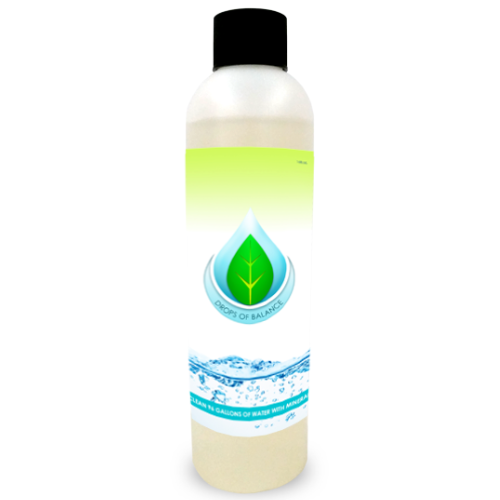
- Stock Up on Minerals: Ensure you have enough Drops of Balance to treat your water through the winter, especially if you live in an area prone to boil-water advisories.
- Monitor Humidity: Remember that your skin absorbs water too. If the air is dry and the water is high in chlorine, your skin will feel the "winter itch" more intensely.
Conclusion
Winter brings a unique set of challenges to our water supply, from the hidden chemistry of cold-water solubility to the physical stresses on municipal pipes. By understanding that tap water is a seasonal product, we can take proactive steps to protect our health.
Whether you are looking to remove fluoride from water or simply want to ensure your family is drinking the most nutrient-dense water possible, focusing on water treatment solutions that work with nature: not against it: is the best way to stay healthy until the spring thaw. Stay warm, stay hydrated, and keep your water in balance.