
Safe Water for Your Home: Fluoride, Chlorine, and the Cold-Weather Shift
As the seasons transition and the air turns crisp, households naturally shift their focus toward winterization. We seal our windows, service our heaters, and swap out our wardrobes. However, one critical element of home safety often remains overlooked during the colder months: the quality of the water coming out of our taps.
There is a common misconception that water contaminants: particularly chemical additives like fluoride and chlorine: are "diluted" or less active during the winter. In reality, the "cold-weather shift" in municipal water treatment and the persistent nature of these toxins mean that maintaining a robust water treatment strategy is more important than ever. For families concerned about long-term health, understanding how to effectively remove fluoride from water and replenish essential trace minerals is a year-round necessity.
The Persistence of Toxins: Why Winter Doesn’t Wash Away Chemicals
Many pollutants found in municipal water supplies are chemically stable, meaning they do not degrade simply because the temperature drops. In fact, some issues can become more concentrated. During winter, biological activity in source water (like lakes and reservoirs) slows down, but the inorganic chemicals added by treatment plants remain.
Chlorine and Chloramines: The Winter Disinfectant
Municipalities use chlorine or chloramines to kill pathogens. While essential for preventing waterborne diseases, these chemicals are highly reactive. In the winter, water often stays in pipes longer because outdoor usage (like lawn watering) decreases. This increased "residence time" can lead to a higher concentration of disinfection byproducts (DBPs) such as trihalomethanes, which are linked to various health concerns.
Furthermore, cold water holds onto gases more effectively than warm water. This is why you might notice a stronger "bleach" smell from your tap during the winter months. These chemicals can strip the natural oils from your skin and hair, leading to the "winter itch" that many families attribute solely to dry air.
The Fluoride Dilemma
Unlike chlorine, which can eventually dissipate into the air if left in an open pitcher, fluoride is a persistent ion. It does not evaporate. It does not "freeze out." If it is in your water at the reservoir, it is in your water at the tap.
Fluoride is often added to municipal supplies under the guise of dental health, but many health-conscious families are seeking ways to remove fluoride from water due to concerns regarding its impact on the endocrine system and bone health. Standard carbon filters: the kind found in most refrigerator dispensers: are largely ineffective at removing fluoride. It requires a more sophisticated ionic approach to ensure your drinking water is truly clean.
The Science of Cold-Water Chemistry
When water temperatures drop, its viscosity increases slightly, and the kinetic energy of the molecules decreases. In the world of water treatment, this means that traditional filtration systems may actually perform less efficiently.
Chemical reactions that occur in standard filters often slow down in the cold. If you are relying on a simple mechanical filter, the "cold-weather shift" might mean that more contaminants are slipping through the gaps. This is where a solution like Drops of Balance changes the game.
Instead of relying solely on a physical barrier that can be bypassed by microscopic ions, Drops of Balance utilizes a concentrated mineral solution that interacts with contaminants on a molecular level.
How Drops of Balance Clears the Water
Drops of Balance consists of a complex of sulfated trace minerals. When added to water, these minerals initiate a process known as flocculation and precipitation.
- Ion Exchange: The minerals in the solution attract the dissolved toxins, including heavy metals, fluoride, and chlorine.
- Clumping: These toxins are neutralized and bound together, forming visible particulates (floc).
- Sedimentation: The neutralized toxins sink to the bottom of the container, effectively "locking" them out of the water you consume.
This process is not dependent on water temperature in the same way mechanical filtration is, making it a reliable solution regardless of the season.

Beyond Filtration: The Importance of Trace Minerals
Most modern water treatment methods, such as Reverse Osmosis (RO), are "indiscriminate." They remove the bad stuff, but they also strip away the good stuff. Calcium, magnesium, potassium, and dozens of other trace minerals are vital for human biological function. They regulate everything from heart rhythm to nerve signaling and cellular hydration.
Drinking "dead" or demineralized water can actually lead to mineral leaching in the body. The water, seeking equilibrium, pulls minerals out of your bones and tissues. This is especially concerning in the winter when our immune systems are already under stress from cold viruses and lack of sunlight.
Re-mineralizing for Health
When you use Drops of Balance, you aren't just cleaning the water; you are restructuring it. By adding a balanced spectrum of minerals back into your supply, you ensure that your body is getting the electrolytes it needs to stay hydrated.
Proper hydration in winter is often overlooked because we don't feel "thirsty" in the same way we do in the summer. However, the dry indoor heat of our homes acts as a constant dehydrator. Drinking mineral-rich water ensures that the moisture actually reaches your cells rather than just passing through your system.
Protecting Your Family: A Winter Checklist
For families prioritizing health, here is a simple guide to navigating the cold-weather shift in water quality:
- Evaluate Your Current Filter: If you are using a basic pitcher or faucet mount, recognize that it is likely leaving fluoride and heavy metals behind. Consider upgrading to a micro-ceramic filter paired with mineral drops.
- Monitor Your Skin: If your family is experiencing unusually dry or irritated skin after bathing, it’s a sign that chlorine levels are high. Treating your drinking water is the first step, but being aware of the chemical load in your home is vital.
- Optimize Your Morning Routine: Many people start their winter mornings with a hot beverage. Ensure your coffee or tea is made with purified, mineralized water. For those looking to optimize their nutrition, we even offer a Vegan Coffee Recipe Book to help you integrate health into your daily rituals.
- Don’t Forget the Plants: Indoor plants struggle in the winter due to low humidity and chemical-heavy tap water. Using mineralized water can make the difference between a thriving indoor garden and one that barely survives until spring.

The Drops of Balance Advantage
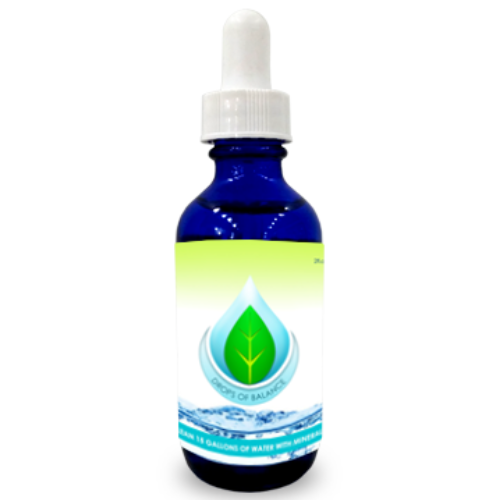
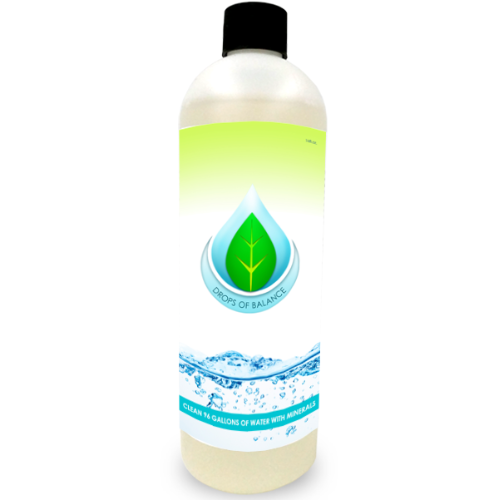
Whether you are looking for a small 2oz bottle for travel or a 1-gallon concentrate for the whole family, our products are designed to provide peace of mind.
The beauty of the sulfated mineral approach is its transparency. You can actually see the "monsters" in your water being neutralized and sinking to the bottom. In a season where we spend so much time indoors, ensuring that our primary source of life: water: is as pure and nutrient-dense as possible is the ultimate form of home care.
A Focus on Sustainability
Winter is also a time when we see the impact of waste on our environment. By treating your tap water at home, you eliminate the need for single-use plastic bottles, which often contain microplastics and lack the essential minerals your body craves. One 64oz bottle of Drops of Balance can treat up to 1,893 gallons of tap water, providing a sustainable and cost-effective alternative to bottled water.
Conclusion: Clean Water for a Healthy Winter
The "Cold-Weather Shift" doesn't have to mean a compromise in your family's health. While municipal systems struggle with the changing dynamics of winter water chemistry, you have the tools to take control of your tap.
By choosing to remove fluoride from water and reintroducing the trace minerals that nature intended, you are supporting your family's immunity, hydration, and long-term wellness. This winter, let your water be a source of balance rather than a source of concern.
To explore our full range of water treatment solutions and find the right fit for your home, visit our product collection or learn more about the science of mineral deficiencies.