

Is Your Water Actually Hydrating You? The Science of Trace Minerals in the July Sun
As the July sun reaches its zenith, the human body faces an intensified physiological challenge. In high-heat environments, the primary mechanism for thermoregulation is evaporation: otherwise known as sweating. While most individuals understand the basic necessity of increasing water intake during the summer months, a critical scientific question remains: Is the water you are drinking actually reaching your cells?
Hydration is not merely the act of pouring liquid into the digestive tract. It is a complex biochemical process involving osmotic pressure, electrolyte gradients, and the presence of specific trace minerals. Without these inorganic micronutrients, water often passes through the system without ever being absorbed at a cellular level, leading to a state of "functional dehydration" despite high consumption volumes.
The Cellular Mechanics of Hydration
To understand why minerals are essential, we must look at the cellular level. Every cell in the human body is surrounded by a lipid bilayer that acts as a gatekeeper. Water enters these cells through specialized protein channels called aquaporins. However, this movement is governed by the principles of osmosis.
Osmosis is the movement of a solvent (water) through a semi-permeable membrane from a region of lower solute concentration to a region of higher solute concentration. In the human body, the "solutes" are primarily electrolytes and trace minerals. If your blood and extracellular fluids are depleted of minerals: a common occurrence when drinking highly filtered Reverse Osmosis (RO) or distilled water: the osmotic pressure gradient is lost. Instead of being drawn into the cells, the water remains in the extracellular space or is filtered out by the kidneys and excreted.

The Sodium-Potassium Pump
The most vital mechanism for cellular hydration is the sodium-potassium pump. This enzyme (Na+/K+-ATPase) is found in the plasma membrane of all animal cells. It pumps sodium out of the cell and potassium into the cell. This creates an electrochemical gradient that allows the cell to maintain its volume and transport nutrients.
When you lose these minerals through sweat in the July heat, the pump’s efficiency drops. If you replenish only with plain, demineralized water, you further dilute the remaining minerals in your blood. This can lead to hyponatremia, a condition where sodium levels are dangerously low, causing the cells to swell: ironically causing dehydration in the tissues while the body holds onto excess, non-functional water.
Why Trace Minerals Matter in the Summer
While major electrolytes like sodium and potassium get the most attention, dozens of trace minerals are required for optimal physiological function. Trace minerals such as magnesium, zinc, selenium, and copper act as catalysts for thousands of enzymatic reactions.
- Magnesium: Essential for over 300 biochemical reactions, magnesium regulates muscle and nerve function, blood sugar levels, and blood pressure. In summer, magnesium is lost rapidly through sweat, leading to the common "summer fatigue" and muscle cramps many experience.
- Zinc and Selenium: These minerals are critical for the body’s antioxidant defense system. The heat of July induces oxidative stress. Without these trace elements, the body cannot effectively neutralize free radicals generated by UV exposure and heat-induced metabolic acceleration.
- Sulfate Minerals: Many modern water sources lack sulfated minerals. Sulfates are essential for detoxification and the maintenance of healthy connective tissues.
The Problem with Modern Water Sources
In our quest for "clean" water, we have inadvertently created a hydration crisis. Municipal tap water is often treated with chlorine and fluoride: chemicals designed to kill bacteria or prevent decay but which can disrupt the delicate balance of the gut microbiome and interfere with mineral absorption.
To avoid these toxins, many turn to Reverse Osmosis or distillation. While these methods successfully remove contaminants, they also strip the water of its natural mineral structure. This "hungry water" is chemically unstable. When consumed, it can actually leach minerals from your bones and teeth as it seeks to regain its natural balance. Drinking demineralized water during a heatwave is akin to trying to wash a car with a dry sponge; the medium is present, but the capacity to perform the work is absent.
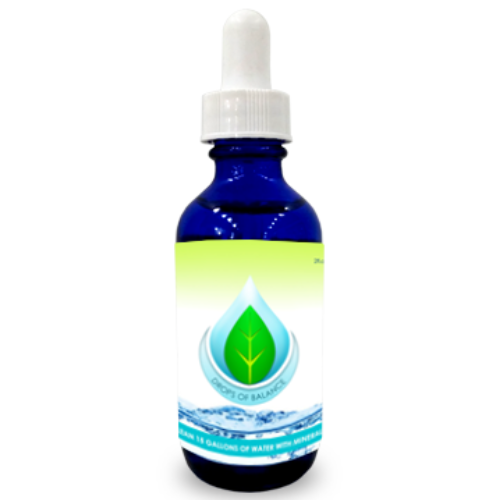
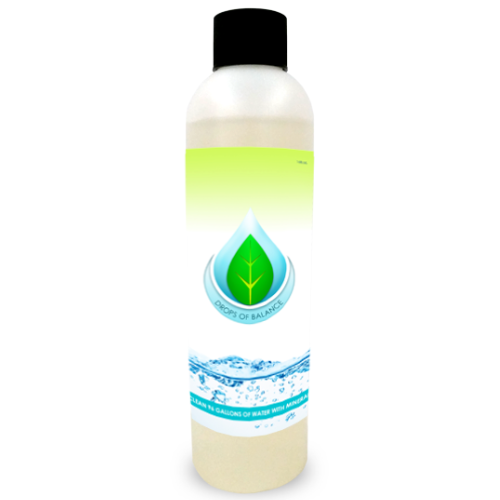
For those looking to restore the biological integrity of their water, products like the Drops of Balance 2 oz or the 16oz concentrate provide a solution by introducing an ionic sulfate mineral complex back into the water.
Bioavailability: The Ionic Advantage
Not all mineral supplements are created equal. The body struggles to process "rock" minerals: large, inorganic particles often found in cheap supplements. For minerals to be utilized by the cell, they must be in an ionic form.
An ion is a mineral that has a positive or negative charge. This charge allows the mineral to remain suspended in water and, more importantly, allows it to interact with the body’s electrical signaling system. The human body is an electrochemical organism; every heartbeat, muscle contraction, and thought is an electrical event. Trace minerals provide the conductivity required for these signals to travel efficiently.

Protecting Your Biology in the July Heat
When the temperature rises, your metabolic rate increases. This necessitates a higher turnover of nutrients. If you are active outdoors, your requirements for trace minerals can double or triple compared to a sedentary day in an air-conditioned office.
Symptoms of mineral-deficient hydration in summer include:
- Persistent thirst despite heavy water intake.
- Brain fog and "afternoon crashes."
- Muscle twitching or nocturnal leg cramps.
- Headaches and lightheadedness when standing up quickly.
- Dry skin that doesn't respond to topical moisturizers.
To combat this, it is recommended to treat your daily water supply with a broad-spectrum mineral solution. For larger households or those with extensive gardens, the 32oz Drops of Balance or even the 1-gallon concentrate ensures that every drop of water consumed: by humans, pets, and plants: is biologically active and hydrating.
The Synergy of Water and Soil
It is worth noting that the principles of hydration apply equally to the environment. Just as your cells require minerals to absorb water, the soil in your July garden requires a mineral-rich environment to support the microbes that feed your plants. Chlorine in tap water can sterilize soil, killing the beneficial fungi and bacteria that assist in water retention.
Using a 4-layer filter or a micro-ceramic filter to remove toxins, followed by re-mineralization, creates a "living water" that supports both human health and organic gardening.
Conclusion: A Scientific Approach to Hydration
As we move through the hottest weeks of the year, it is time to shift our perspective on hydration. Water is the delivery vehicle, but minerals are the cargo. Without the cargo, the vehicle has no purpose.
By focusing on the science of trace minerals and ensuring your water is ionic and bioavailable, you can protect your cellular health, maintain your energy levels, and truly thrive under the July sun. Whether you are using a portable water bottle for your commute or treating your home's entire supply with 5-gallon concentrates, the goal remains the same: achieving true biological balance.
For more information on the specific minerals your body may be lacking, visit our mineral deficiencies resource page. Keep your cells fed, your body cooled, and your water balanced this summer.