
The Problem with Your Tap Water!
Municipal water treatment systems have revolutionized public health by eliminating waterborne diseases like cholera and typhoid. However, modern tap water contains numerous chemical compounds that may pose long-term health risks to both humans and plants. Understanding these contaminants and their effects is essential for making informed decisions about water quality in your home and garden.
The Chemical Reality of Municipal Water Treatment
Water utilities add various chemicals to ensure microbiological safety, but these treatment processes introduce substances that weren't present in natural water sources. The Environmental Working Group's analysis reveals that U.S. tap water contains 93 chemicals linked to cancer, 78 associated with brain and nervous system problems, 63 that can harm fetal development, and 45 connected to hormone disruption.
This chemical complexity creates a fundamental tension: while treatment prevents acute waterborne illness, it may contribute to chronic health issues through long-term exposure to low levels of multiple contaminants.
Chlorine and Disinfection Byproducts
Chlorine serves as the primary disinfectant in most municipal water systems, effectively killing bacteria, viruses, and other pathogens. Water utilities maintain chlorine levels up to 4 parts per million (ppm) to ensure continued antimicrobial activity throughout distribution networks.
However, chlorine creates several problems beyond its characteristic taste and odor. When chlorine reacts with naturally occurring organic matter in water, it forms disinfection byproducts (DBPs), including trihalomethanes (THMs) and haloacetic acids. These compounds have demonstrated carcinogenic properties in laboratory studies and may contribute to reproductive problems and developmental issues.
Chloramines, formed when ammonia is added to chlorinated water, present additional concerns. While more stable than free chlorine, chloramines create different byproducts and can cause respiratory irritation, particularly in individuals with asthma or chemical sensitivities.
Fluoride: The Double-Edged Additive
Approximately 75% of the U.S. population consumes fluoridated water, representing the highest fluoride exposure rate globally. Water utilities typically maintain fluoride concentrations between 0.7-1.2 ppm for dental health benefits, but this practice raises several scientific concerns.
Excessive fluoride exposure can cause dental fluorosis in children, characterized by white spots, brown stains, or pitted teeth. More seriously, chronic consumption of fluoride above 3 ppm can lead to skeletal fluorosis, causing joint pain, stiffness, and bone abnormalities. The EPA has established a Maximum Contaminant Level of 4 ppm specifically to prevent skeletal fluorosis.
Recent research has also suggested potential neurological effects from fluoride exposure, particularly during critical developmental periods. While regulatory agencies maintain that current levels are safe, growing scientific evidence indicates that fluoride may not be as benign as once believed.
Heavy Metals and Toxic Elements
Lead contamination represents one of the most serious threats in municipal water systems. Even at low concentrations, lead exposure can cause irreversible neurological damage, particularly in children. Lead typically enters water through old service lines, fixtures, and solder, making it difficult to eliminate through conventional treatment.
Other heavy metals commonly found in tap water include:
- Mercury: Linked to neurological and kidney damage
- Cadmium: Associated with kidney disease and bone problems
- Arsenic: A known carcinogen that can cause skin, lung, and bladder cancers
- Chromium-6: Connected to liver damage and reproductive problems
These metals accumulate in body tissues over time, making even low-level chronic exposure potentially harmful.
Agricultural and Industrial Contaminants
Modern agricultural practices introduce pesticides, herbicides, and nitrates into water supplies. Atrazine, one of the most commonly detected pesticides in tap water, has been linked to hormone disruption and reproductive problems. Glyphosate, the world's most widely used herbicide, appears in drinking water supplies across agricultural regions.
Nitrates from fertilizer runoff can cause methemoglobinemia (blue baby syndrome) in infants and may contribute to certain cancers in adults. Industrial chemicals like volatile organic compounds (VOCs) and per- and polyfluoroalkyl substances (PFAS) persist in water systems and accumulate in human tissues.
The Plant Health Connection
These same contaminants that affect human health also impact plant growth and development. Chlorine and chloramines can damage beneficial soil microorganisms, disrupting the natural nutrient cycles that support healthy plant growth. Heavy metals accumulate in plant tissues, potentially making fruits and vegetables unsafe for consumption.
Fluoride toxicity in plants manifests as leaf burn, reduced photosynthesis, and stunted growth. Many sensitive plant species cannot tolerate fluoride levels commonly found in municipal water supplies.
How Drops of Balance Addresses Water Contamination
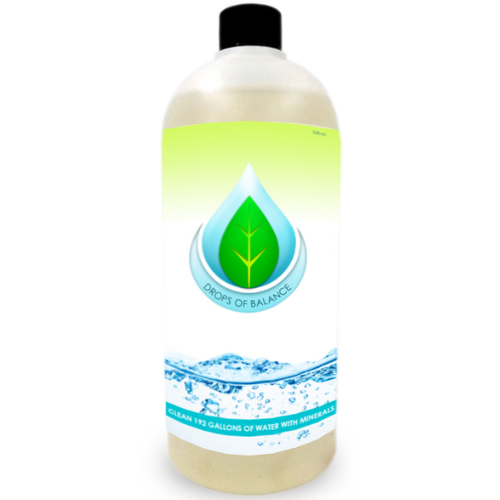
Drops of Balance offers a comprehensive solution that addresses multiple water quality issues simultaneously. This concentrated mineral solution works through several mechanisms to improve water safety and quality.
The formula binds to and neutralizes chlorine and chloramines, eliminating their taste, odor, and harmful byproducts. It also reduces heavy metal availability through chelation and precipitation processes, making these toxic elements less bioavailable to humans and plants.
For fluoride reduction, Drops of Balance utilizes specific mineral interactions that decrease fluoride concentrations to safer levels. Independent laboratory testing has demonstrated significant reductions in fluoride, chlorine, and heavy metal content when Drops of Balance is added to contaminated water.
Mineral Remineralization for Optimal Health
Beyond contaminant removal, Drops of Balance adds essential trace minerals that are often depleted in processed water. These minerals include sulfur, magnesium, potassium, and other elements crucial for human health and plant nutrition.
For drinking water applications, add 2.5 ml of Drops of Balance per gallon of tap water. This dosage effectively reduces contaminants while providing beneficial minerals for hydration and cellular function.
For plant applications, use 0.5 ml per gallon of water. This lower concentration removes harmful substances while supplying trace minerals that support healthy soil microbiology and plant development.
Reverse Osmosis Water Limitations
Many health-conscious consumers turn to reverse osmosis (RO) filtration to address tap water contamination. While RO systems effectively remove most contaminants, they also strip away beneficial minerals, creating "empty" water that may actually leach minerals from the body.
RO water's lack of mineral content can lead to electrolyte imbalances and may not provide optimal hydration at the cellular level. For plants, demineralized RO water can cause nutrient deficiencies and poor growth.
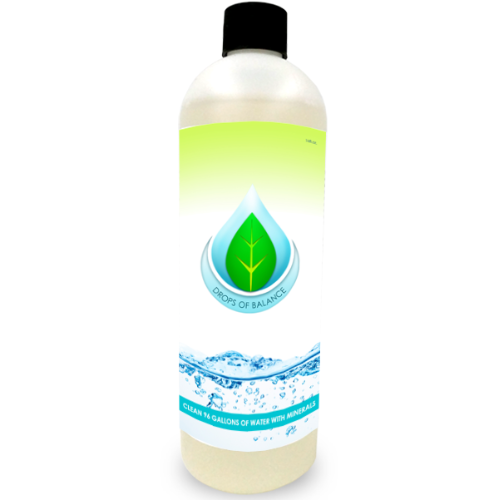
Drops of Balance solves this problem by remineralizing RO and distilled water. Add 1.25 ml per gallon of RO water for drinking, or 0.25 ml per gallon for plant watering. This restores essential minerals while maintaining the purity benefits of reverse osmosis filtration.
Laboratory Verification and Safety Testing
Drops of Balance undergoes rigorous safety testing to ensure effectiveness and purity. Independent laboratories verify contaminant reduction capabilities and confirm the absence of harmful substances in the final product.
These tests demonstrate consistent performance across different water sources and contamination levels, providing confidence in the product's ability to improve water quality for both human consumption and agricultural applications.
Taking Control of Your Water Quality
Understanding tap water contamination empowers you to make informed decisions about your family's health and your plants' wellbeing. While municipal treatment prevents acute waterborne illness, it introduces chronic exposure risks that deserve consideration.
Drops of Balance provides a practical solution that addresses multiple contamination issues while adding beneficial minerals. Whether you're concerned about drinking water quality or seeking healthier irrigation for your garden, this comprehensive approach offers peace of mind and measurable improvements in water purity.
The choice between accepting municipal water "as is" or taking active steps to improve its quality ultimately affects long-term health outcomes for both humans and plants. With growing awareness of water contamination issues and their health implications, proactive water treatment becomes not just beneficial, but essential for optimal wellness.