

Summer Soil Rescue: 5 Ways to Stop High Heat from Killing Your Garden’s Microbes
As the mercury rises during the peak of summer, the visible signs of heat stress: wilting leaves, scorched edges, and drooping stems: are often the first things a gardener notices. However, beneath the surface of the soil, a much more consequential struggle is taking place. The soil microbiome, a complex ecosystem of bacteria, fungi, protozoa, and beneficial nematodes, is the engine of plant health. When soil temperatures exceed certain thresholds, this biological engine can stall or even break down entirely.
Maintaining a thriving rhizosphere (the area of soil surrounding plant roots) is not merely about keeping plants hydrated; it is about preserving the delicate biological balance that facilitates nutrient cycling, soil structure, and systemic plant immunity. In this scientific exploration, we will examine five evidence-based strategies to protect your garden's microbial life from extreme heat and how specialized water treatment can be the difference between a dormant soil and a dead one.
1. Implement Thermal Buffering via "Soil Armor"
Soil temperature is a critical regulator of microbial activity. Research indicates that most soil microbes thrive in environments between 20°C and 30°C (68°F to 86°F). Once soil temperatures reach 40°C (104°F), microbial respiration begins to decline sharply, and at 45°C (113°F), many beneficial populations face mass die-offs.
Direct sunlight on bare soil acts as a catalyst for these extreme temperatures. To counter this, "soil armor" or mulching is essential. Organic mulches, such as straw, wood chips, or specialized substrates like those found in the PittMoss collection, act as a thermal insulator. These materials create a barrier that reflects solar radiation and traps a layer of air, significantly reducing the rate of heat transfer to the lower soil profiles.
Beyond simple temperature regulation, mulch preserves the "interstitial moisture": the tiny films of water surrounding soil particles where microbes live. By preventing evaporation, you ensure that the microbial community remains mobile and capable of processing nutrients even during a heatwave.
2. Mitigate Chemical Toxicity in Supplemental Watering
The paradox of summer gardening is that the more we water to save our plants from the heat, the more we may be inadvertently damaging the soil's biology. Most municipal water systems utilize chlorine or chloramines to eliminate pathogens. While effective for human safety, these oxidizers are non-discriminatory; they are designed to kill microorganisms.
During high-heat periods, the frequency of watering increases. This leads to a cumulative buildup of oxidative chemicals in the soil. When chlorine encounters the organic matter in your garden, it can create trihalomethanes and other byproducts that further stress the microbial population.
This is where the application of Drops of Balance mineral concentrate becomes a critical rescue tool. Drops of Balance utilizes sulfate-based ionic minerals to neutralize these harmful contaminants. By adding this concentrate to your watering routine, you essentially "purify" the water before it touches the soil, ensuring that your efforts to hydrate the garden don't result in a chemical sterilization of the rhizosphere. This process supports the "clean" environment that beneficial microbes need to survive the external stress of the sun.
3. Support Osmotic Balance with Trace Minerals
Heat stress often leads to osmotic stress. As plants transpire at higher rates to stay cool, they pull water from the soil rapidly. If the soil is depleted of essential trace minerals, the microbial cells themselves can struggle to maintain their internal pressure, leading to lysis (cell bursting).
Microbes require a suite of trace elements: including magnesium, potassium, and calcium: to regulate their cellular functions and protect their protein structures from heat-induced denaturation. Using a comprehensive mineral solution like the Drops of Balance 1 gallon concentrate provides these essential ions in a bioavailable form.

When the water used for irrigation is mineral-rich and free of toxins, it supports the microbial ability to produce "extracellular polymeric substances" (EPS). These are essentially biological glues that help soil particles stick together, creating micro-habitats that retain moisture more effectively than depleted soil. This synergy between mineral availability and microbial activity is the foundation of drought-resilient soil.
4. Re-Inoculate with Beneficial Ancient Microorganisms (BAM)
Even with the best preventative measures, extreme heat waves can cause certain microbial populations to dip below their optimal levels. Fungal networks, in particular, are sensitive to high temperatures and desiccation. To ensure the soil food web remains functional, strategic re-inoculation is highly recommended during the summer months.
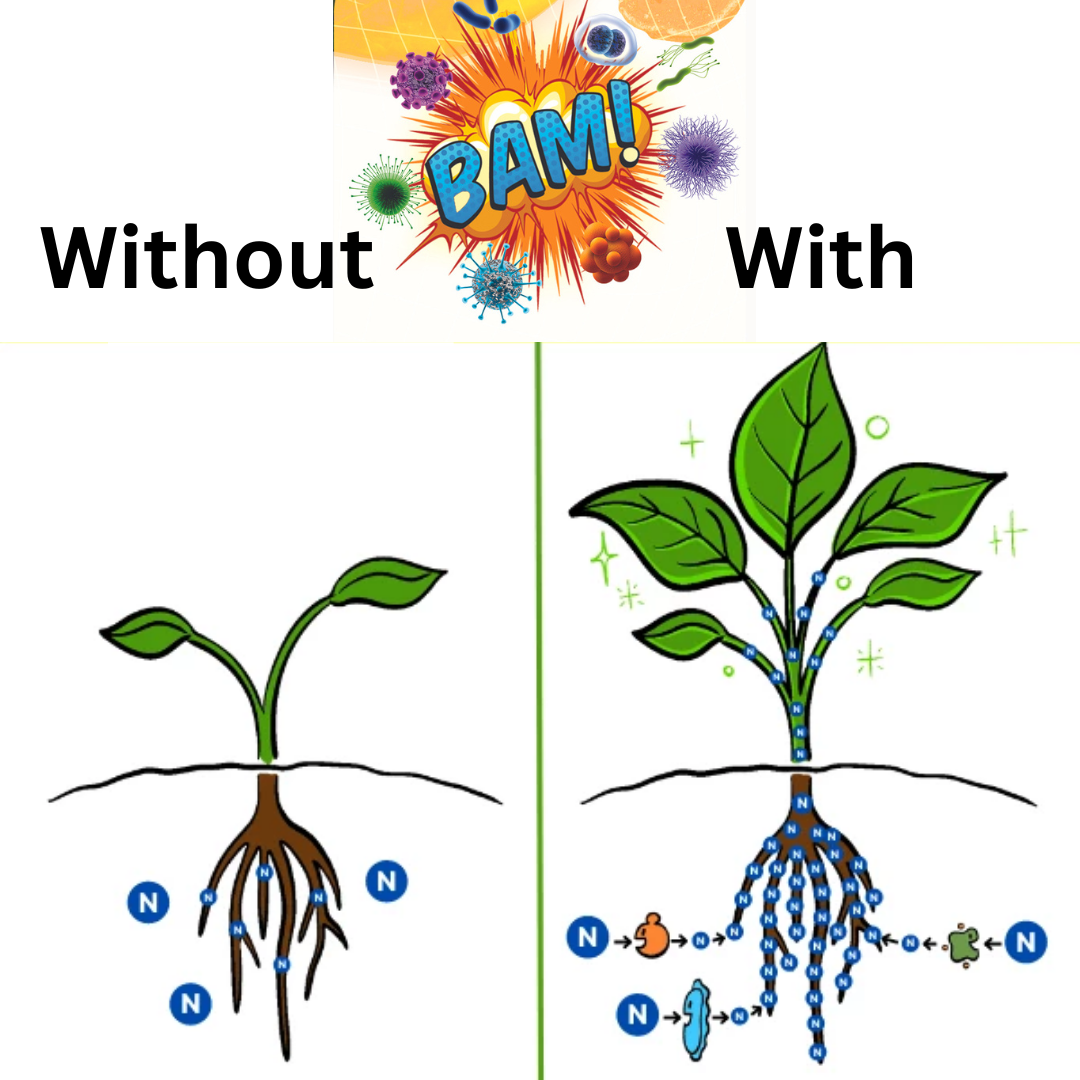
The use of BAM (Beneficial Ancient Microorganisms) provides a concentrated influx of diverse microbial species that have been selected for their resilience and symbiotic capabilities. Unlike standard fertilizers, which only provide N-P-K, BAM introduces the "laborers" of the soil.

When BAM is used in conjunction with mineral-treated water, the survival rate of these new microbes increases exponentially. The minerals from Drops of Balance provide the necessary co-factors for the microbes to begin colonizing the root zone immediately. For gardeners looking for a complete system, the Complete Enzyme and Microbial Package offers a comprehensive approach to maintaining biological diversity when the environment is most hostile.
5. Minimize Mechanical Disturbance and UV Exposure
The final strategy for protecting soil microbes is perhaps the simplest: leave them alone. High heat is a period of high stress; any mechanical disturbance, such as tilling or even aggressive weeding, exposes the deeper, cooler layers of soil to direct UV radiation and rapid oxygenation.
UV-C radiation is a potent mutagen and sterilizer. When soil is turned over in the July sun, the fungal hyphae: the long, thread-like structures that transport water and nutrients: are broken and exposed to lethal doses of radiation. This can lead to a total collapse of the mycorrhizal network, which is the primary system plants use to access deep-well water during droughts.
Adopting a "no-till" philosophy during the summer and ensuring that any disturbed areas are immediately recovered with mulch or organic matter will help preserve the infrastructure of the soil. If you must add amendments, consider top-dressing with microbial inoculants and then "watering them in" with treated water, rather than digging them into the soil.
The Synergy of Minerals and Biology
The survival of your garden in the summer heat depends on a two-pronged approach: chemical detoxification and biological replenishment. By removing the inhibitors (chlorine, heavy metals, and toxins) using Drops of Balance and simultaneously supporting the life forms (BAM and mycorrhizae), you create a subterranean sanctuary.
Soil that is mineralogically balanced and biologically active acts like a sponge, holding onto moisture and protecting the roots from the fluctuations of the atmosphere. This summer, don't just water your plants: treat your soil as the living organism it is.

For those managing larger garden spaces or looking to implement these practices at scale, explore our wholesale options to ensure your soil stays vibrant and productive until the autumn harvest. Understanding the science of the soil is the first step; providing the right tools is the second. Keep your microbes cool, clean, and well-fed, and your garden will return the favor with a bountiful season.