
Toxic Tap Alert: Protecting Your Family and Pets This Summer
As the Northern Hemisphere transitions into the peak of summer, water consumption naturally increases across all demographics. Whether for human hydration, pet care, or maintenance of home gardens, the demand for municipal tap water reaches its annual zenith in June and July. However, this surge in usage coincides with a period where tap water quality is often at its most volatile.
Municipal water treatment facilities utilize various chemical agents to ensure that water remains "potable" as it travels through aging infrastructure. While these chemicals serve a primary purpose of pathogen control, their presence: alongside emerging contaminants like PFAS and heavy metals: presents a complex toxicological profile for the modern household. Understanding these risks is the first step toward safeguarding the health of your family and your pets.
The Chemistry of Summer Tap Water: Chlorine and Chloramines
The most prevalent additive in municipal water is chlorine. During the summer months, higher temperatures in water reservoirs and piping systems create an environment conducive to bacterial and algal proliferation. To counteract this biological growth, many water municipalities increase the dosage of chlorine or switch to chloramines (a combination of chlorine and ammonia).
While effective at neutralizing waterborne pathogens, chlorine is a powerful oxidizer. When chlorine reacts with organic matter naturally found in water, it creates Disinfection By-Products (DBPs), such as trihalomethanes (THMs) and haloacetic acids (HAAs). These compounds are classified as potential carcinogens and have been linked to various adverse health outcomes in long-term epidemiological studies.
For pets, the risk is compounded. Dogs and cats possess sensitive olfactory systems and delicate gut microbiomes. Chlorine and its by-products can cause gastrointestinal distress and may contribute to chronic skin irritations when used for bathing or as a primary hydration source.

The Fluoride Factor and Pediatric Health
Beyond disinfection, the practice of water fluoridation remains a standard in many regions. While historically promoted for dental health, contemporary research has raised significant concerns regarding the systemic effects of fluoride ingestion, particularly in developing children. High concentrations of fluoride are classified as developmental neurotoxins. Studies have suggested a correlation between high fluoride exposure and lower IQ scores in children, as well as potential interference with endocrine function, specifically the thyroid gland.
Removing fluoride is notoriously difficult for standard carbon filters. Most "pitcher" style filters are designed only to improve taste by reducing chlorine, leaving fluoride levels virtually unchanged. Addressing this requires a specialized approach that can neutralize these dissolved solids effectively. For those specifically looking into the impact of this chemical on their environment, understanding how to remove fluoride from water for plants can provide a blueprint for broader household water treatment.
Emerging Contaminants: PFAS, Lead, and Arsenic
Recent environmental research has highlighted the ubiquity of "forever chemicals," or PFAS (per- and polyfluoroalkyl substances). These synthetic compounds are prized for their water- and oil-resistant properties but are nearly impossible for the human body or the environment to break down. PFAS contamination has been associated with an alarming 191% increase in infant mortality for babies born to mothers who consumed water from contaminated wells.
Furthermore, heavy metals like lead and arsenic remain persistent threats. Lead exposure in children is particularly concerning, as it is linked to nervous system damage, stunted growth, and behavioral issues like ADHD. In the summer, as water sits in pipes during periods of heat, the leaching of these metals from old plumbing can actually accelerate. According to recent water quality assessments, states like Texas, New York, and California face the highest number of reported contaminants, ranging from lead to nitrates.
Why Your Pets Are More Vulnerable
We often overlook the fact that our pets are biologically distinct from us in ways that make them more susceptible to water toxicity.
- Lower Body Mass: A toxin concentration that might be negligible for a 170lb adult is significantly more impactful for a 10lb cat or a 50lb dog.
- Metabolic Rates: Pets typically have higher metabolic rates than humans, meaning they process and circulate toxins through their systems more rapidly.
- Evaporation in Bowls: In the summer heat, water in a pet bowl evaporates, but the minerals and chemicals within that water do not. This leads to a higher concentration of fluoride, chlorine, and heavy metals as the day progresses.
- Biological Accumulation: Because pets often eat the same food and drink the same water every day for years, they are prime candidates for the bioaccumulation of heavy metals and PFAS.
Protecting your pets involves providing them with water that has been cleared of these industrial residues while retaining the ionic minerals their bodies need for cellular function.
The Drops of Balance Solution: Scientific Purification
At Drops of Balance, we view water treatment through the lens of mineral science. Traditional filtration often focuses solely on mechanical removal, which can be inefficient for dissolved chemicals like fluoride or dissolved heavy metals. Our approach utilizes a concentrated mineral solution that mimics the natural purification processes found in the Earth's most pristine mineral springs.
How It Works: Coagulation and Flocculation
The active component in Drops of Balance is a sulfate-based ionic mineral solution. When added to tap water, these minerals engage in a process called coagulation and flocculation. The ionic minerals attract and bind to dissolved contaminants: including fluoride, chlorine, and heavy metals: turning them into insoluble particulates that settle to the bottom of the container.
This process doesn't just "hide" the toxins; it physically transforms them into a state where they are no longer bioavailable. Once the contaminants have settled, you are left with water that is not only purified but enriched with over 70 trace minerals.
Beyond Purification: The Importance of Trace Minerals
While removing toxins is critical, the "Health & Wellness" aspect of water treatment requires looking at what is added back in. Modern tap water, even when filtered by Reverse Osmosis (RO) or distillation, is often "dead" water: stripped of all mineral content. Consuming mineral-deficient water can lead to the leaching of minerals from the body's own tissues to maintain pH balance.
Ionic minerals are essential for:
- Cellular Hydration: Minerals like magnesium and potassium act as electrolytes that facilitate the movement of water into the cells.
- Enzymatic Function: Trace minerals are catalysts for thousands of biochemical reactions in the human and animal body.
- Detoxification: Certain minerals help the body naturally process and eliminate metabolic waste.
Integrating these minerals into your hydration routine is particularly vital during the summer heat when electrolytes are lost through perspiration. This principle applies equally to the "family" members in your garden. For those interested in the botanical application of this science, exploring the 7 benefits of trace minerals for plants illustrates how mineral-rich water supports life at every level.
Practical Steps for a Safer Summer
To protect your family and pets from the "Toxic Tap," we recommend the following protocol:
- Test and Research: Obtain your local Consumer Confidence Report (CCR) to see what contaminants are most prevalent in your municipality.
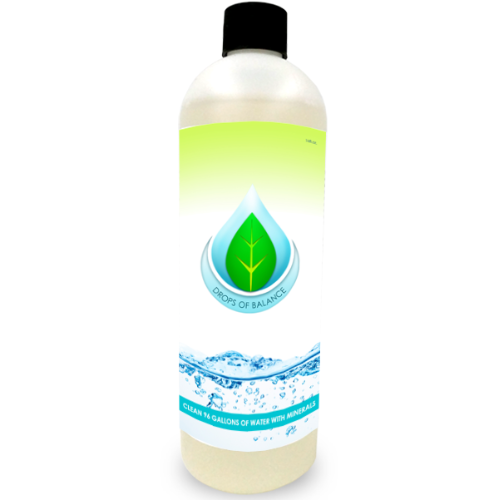
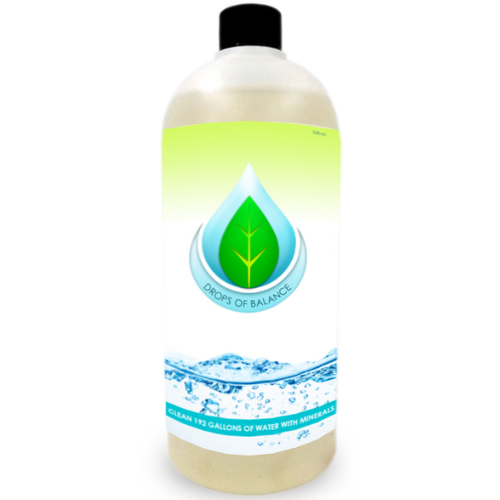
- Treat Your Water: Use Drops of Balance to treat your drinking water. For daily use, a 16oz bottle can treat up to 64 gallons of tap water, making it a cost-effective solution for families.
- Pet Bowls: Always use ceramic or stainless steel bowls for pets (avoid plastic which can leach BPA), and use mineral-treated water to prevent chemical concentration.
- Comprehensive Detox: If you are concerned about long-term exposure, consider a broader approach with our Detox Package, which combines mineral solutions with other supportive health tools.

Conclusion
The quality of the water you consume is the single most important factor in your daily health. As we face a summer of high water demand and aging infrastructure, being proactive about water quality is no longer optional: it is a necessity. By leveraging the power of sulfate-based ionic minerals, you can effectively neutralize the threats of fluoride, chlorine, and heavy metals, ensuring that the water your family and pets drink is as nature intended: pure, mineral-rich, and life-sustaining.
Explore our full range of solutions at Drops of Balance and take control of your hydration health today.