
Why Everyone Is Talking About PFAS in Tap Water (And What It Means for Your Garden)
If you've been paying attention to water quality news lately, you've probably heard the term "PFAS" thrown around quite a bit. These so-called "forever chemicals" have become one of the most discussed topics in environmental health: and for good reason. But here's what most people aren't talking about: what PFAS contamination actually means for your garden.
Let's break it all down.
What Exactly Are PFAS?
PFAS stands for per- and polyfluoroalkyl substances. That's a mouthful, so most people just call them "forever chemicals." And that nickname tells you pretty much everything you need to know about why they're problematic.
These synthetic chemicals were first developed in the 1940s and have been used in everything from non-stick cookware and waterproof clothing to firefighting foams and food packaging. The carbon-fluorine bonds in PFAS are incredibly strong: some of the strongest bonds in organic chemistry. This makes them extremely resistant to heat, water, and oil.
It also makes them nearly impossible to break down in the environment. Hence, "forever chemicals."
There are thousands of different PFAS compounds, but the most studied (and most concerning) are PFOA (perfluorooctanoic acid) and PFOS (perfluorooctane sulfonate). These compounds have been linked to a range of health issues, including thyroid disease, immune system suppression, liver damage, and certain cancers.
Why PFAS Is Dominating Headlines in 2026
The conversation around PFAS has reached a fever pitch for several reasons:
The contamination is widespread. Research indicates that at least 45% of U.S. tap water contains one or more types of PFAS. Over 9,500 sites across the country have shown detectable PFAS levels. These chemicals have infiltrated both surface water and groundwater supplies, creating a contamination problem that spans virtually every state.
Regulatory action is finally happening (sort of). In April 2024, the EPA finalized drinking water standards for PFAS for the first time, establishing legally enforceable maximum contaminant levels for PFOA and PFOS. However, the regulatory landscape remains complicated. As of early 2026, the EPA is considering rescinding regulations for several other PFAS compounds, including PFHxS, PFNA, and GenX.
Health concerns are mounting. The scientific community continues to uncover evidence that even low-level PFAS exposure may have more significant long-term health consequences than previously understood. This has put pressure on water utilities, regulators, and communities to address contamination more aggressively.
Multiple contamination sources exist. Communities near military bases, industrial facilities, and firefighting training areas face particularly high risk due to the historical use of PFAS-containing firefighting foams. Industrial discharge, landfills, and agricultural runoff also contribute to ongoing pollution.
What Does This Mean for Your Garden?
Here's where things get interesting for organic gardeners. When you water your plants with tap water, you're not just delivering H2O. You're also delivering whatever contaminants are dissolved in that water: including PFAS.
Research has shown that PFAS can accumulate in soil and be taken up by plants through their root systems. Studies on agricultural crops have demonstrated that certain PFAS compounds can bioaccumulate in plant tissues, particularly in leafy greens and vegetables with high water content.
For organic gardeners who prioritize clean, chemical-free produce, this presents a real problem. You might be doing everything right: composting, avoiding synthetic pesticides, building healthy soil: but if your water source contains PFAS, those "forever chemicals" could end up in your tomatoes, lettuce, and cucumbers.
The uptake of PFAS by plants depends on several factors:
- The specific PFAS compounds present
- Soil composition and organic matter content
- Plant species and variety
- Water application methods and frequency
Short-chain PFAS compounds (which are more water-soluble) tend to be taken up more readily by plants than longer-chain compounds. This means that the very chemicals that move most easily through water are also the ones most likely to end up in your garden vegetables.
The Water Quality Connection
PFAS contamination is just one piece of a larger water quality puzzle that affects both human health and garden productivity. Most municipal tap water contains a cocktail of substances beyond PFAS, including:
- Chlorine and chloramine (used for disinfection)
- Fluoride (added for dental health)
- Heavy metals like lead and arsenic
- Pharmaceutical residues
- Agricultural runoff compounds
Each of these can impact your garden in different ways. Chlorine can harm beneficial soil microorganisms. Heavy metals can accumulate in soil and interfere with plant nutrient uptake. Fluoride in high concentrations can cause leaf tip burn and reduced growth.
When you combine PFAS with these other contaminants, you're looking at a complex chemical stew that your plants: and the microbiome in your soil: have to contend with every time you turn on the hose.
Addressing Water-Soluble PFAS in Your Garden
So what can you do about it?
Traditional water filtration methods have varying effectiveness against PFAS. Activated carbon filters can remove some PFAS compounds, but their performance depends heavily on the specific chemicals present and the filter quality. Reverse osmosis systems are generally more effective but come with their own drawbacks: including the removal of beneficial minerals that plants need.
Here's something worth knowing: water-soluble PFAS compounds can be neutralized through certain mineral-based treatment approaches. Drops of Balance works to address water-soluble contaminants, including these troublesome PFAS compounds, while simultaneously adding essential sulfated trace minerals back into your water.
This dual action is particularly valuable for gardeners. You're not just removing harmful substances: you're actively improving water quality in a way that supports plant health and soil biology.
The Trace Mineral Factor
While we're talking about water quality, it's worth mentioning something that often gets overlooked in discussions about PFAS and contamination: what your water should contain.
Healthy water: the kind that occurs naturally in unpolluted streams and springs: contains a range of beneficial trace minerals. These include sulfur, magnesium, zinc, iron, and dozens of other elements that plants need in small quantities for optimal growth.
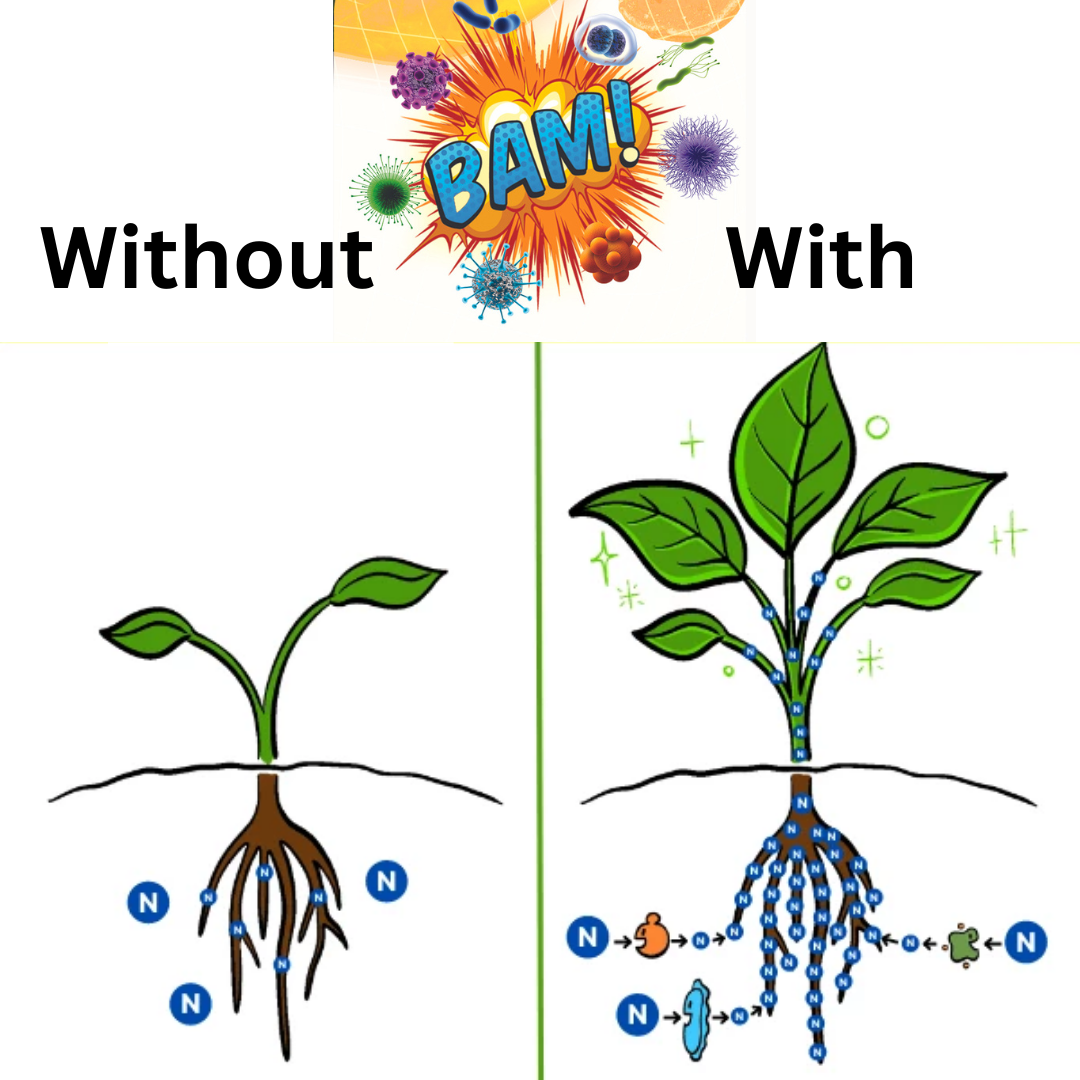
Modern water treatment processes, while necessary for removing pathogens, also strip out many of these beneficial minerals. Trace minerals play crucial roles in plant enzyme function, nutrient transport, and stress resistance.
By treating your water to remove contaminants while adding back essential minerals, you're giving your garden the best of both worlds: clean water that's actually nutritionally valuable for your plants.
Practical Steps for the Concerned Gardener
If you're worried about PFAS and other contaminants in your garden water, here are some actionable steps:
-
Know your water source. Check your local water utility's annual Consumer Confidence Report for information about PFAS testing and levels. Many utilities are now required to test for these compounds.
-
Consider your location. If you live near a military installation, airport, or industrial facility, your PFAS risk may be elevated.
-
Test your well water. If you're on a private well, consider having your water tested specifically for PFAS compounds.
-
Treat your water. Using a mineral-based water treatment like Drops of Balance can help neutralize water-soluble PFAS while improving overall water quality for your garden.
-
Build healthy soil. Soil with high organic matter content may help bind some PFAS compounds, potentially reducing plant uptake. Focus on improving soil health through composting and microbial support.
The Bottom Line
PFAS contamination isn't going away anytime soon: that's literally why they're called "forever chemicals." But understanding the issue and taking proactive steps to address water quality in your garden can make a meaningful difference.
The conversation around PFAS in 2026 is really part of a broader awakening to the importance of water quality: not just for drinking, but for growing the food we eat. Your garden is only as healthy as the water you give it.