
The "Dog Days" Survival Guide: Keeping Your Garden Green When the Rain Stops
As we cross into late July, gardeners in the Northern Hemisphere face a recurring challenge known traditionally as the "Dog Days" of summer. Lasting roughly from early July to mid-August, this period is characterized by stagnant air, oppressive humidity, and, most critically, peak temperatures combined with a significant reduction in rainfall.
For the organic gardener, this isn't just a matter of "wilting leaves." It is a period of intense abiotic stress: environmental factors that negatively impact plant growth and development. When the mercury rises and the rain stops, your garden enters a physiological survival mode. Understanding the science of how plants manage heat and moisture is the first step toward moving your garden from mere survival to mid-summer thriving.
Understanding the Physiology of Heat Stress
When a plant is exposed to extreme heat, its metabolic processes change. Under normal conditions, plants use a process called transpiration to stay cool. They pull water from the soil through their roots and release it as vapor through tiny pores in their leaves called stomata. This evaporative cooling is what prevents the plant from "cooking" in the sun.
However, during the Dog Days, two things happen: the soil dries out, leaving no water for the roots to pull, and the high ambient temperature causes the plant to lose water faster than it can replace it. At this point, the plant enters a state of abiotic stress. To prevent total dehydration, the plant closes its stomata. While this saves water, it also stops photosynthesis and gas exchange, essentially putting the plant’s growth on "pause."
If this state persists, the plant begins to break down its own proteins and cellular structures. This is why you see "burnt" leaf edges, blossom drop in tomatoes, and a general loss of vigor.

Strategic Watering: Why Quality Matters as Much as Quantity
When the rain stops, the instinct is to turn on the tap and soak everything. However, the quality of your irrigation water is just as important as the frequency. Most municipal tap water contains chlorine, chloramines, and fluoride.
During high-heat periods, plants are already vulnerable. Introducing fluoride: a known phytotoxin: can further inhibit a plant's ability to photosynthesize. Fluoride travels through the plant’s vascular system and accumulates in the margins of the leaves, causing tissue death (necrosis). When combined with heat stress, this can be the "final straw" for sensitive vegetables. You can learn more about how this affects your crops in our guide on fluoride in your garden water.
The Solution: Drops of Balance
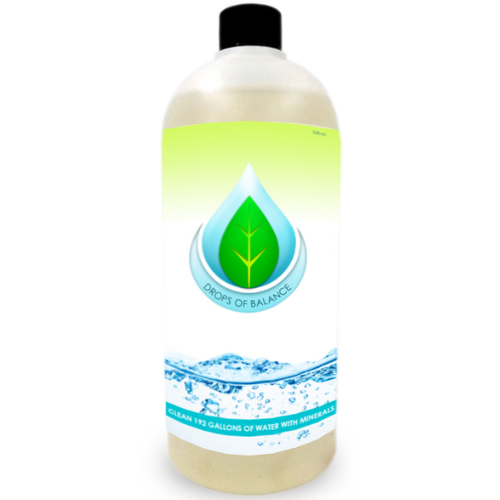
To combat this, treating your irrigation water with Drops of Balance is essential. This mineral solution utilizes a sulfate-based ionic mineral technology that interacts with contaminants in tap water. It causes toxins like fluoride and heavy metals to precipitate out of the solution, effectively neutralizing them.
More importantly, it replaces those toxins with a full spectrum of trace minerals. When you water with treated water, you aren't just hydrating the plant; you are delivering the raw materials it needs to repair cellular damage caused by the sun.
The Mineral Connection: Building Heat Resilience
Trace minerals act as the "engine oil" for plant physiology. While N-P-K (Nitrogen, Phosphorus, Potassium) provides the fuel, trace minerals manage the complex chemical reactions that allow a plant to survive extreme environments.
- Potassium and Stomatal Control: While not a "trace" mineral in the traditional sense, potassium is vital for regulating the opening and closing of stomata. Proper mineral balance ensures the plant can react quickly to temperature changes, closing stomata to save water and opening them when conditions improve.
- Calcium and Cell Wall Integrity: Heat can cause cell membranes to become "leaky." Calcium acts as a glue that holds cell walls together. Without adequate, bioavailable calcium, heat-stressed plants are more susceptible to diseases and structural collapse.
- Magnesium and Photosynthesis: Magnesium is the central atom of the chlorophyll molecule. During the Dog Days, keeping chlorophyll production high is difficult. Mineral-rich water ensures that when the sun is at its peak, the plant has the tools to process that energy rather than being overwhelmed by it.
Many gardeners make the mistake of relying solely on standard fertilizers, which often lack these 70+ trace minerals. You can read more about the hidden truth of trace minerals to understand why your current regimen might be failing during the summer peak.
Soil Health and the "Cooling" Microbiome
Healthy soil is naturally buffered against temperature swings. High organic matter acts like a sponge, holding onto moisture and releasing it slowly. However, the heat of July can actually "bake" the top layer of soil, killing off the beneficial microbes that help plants absorb nutrients.
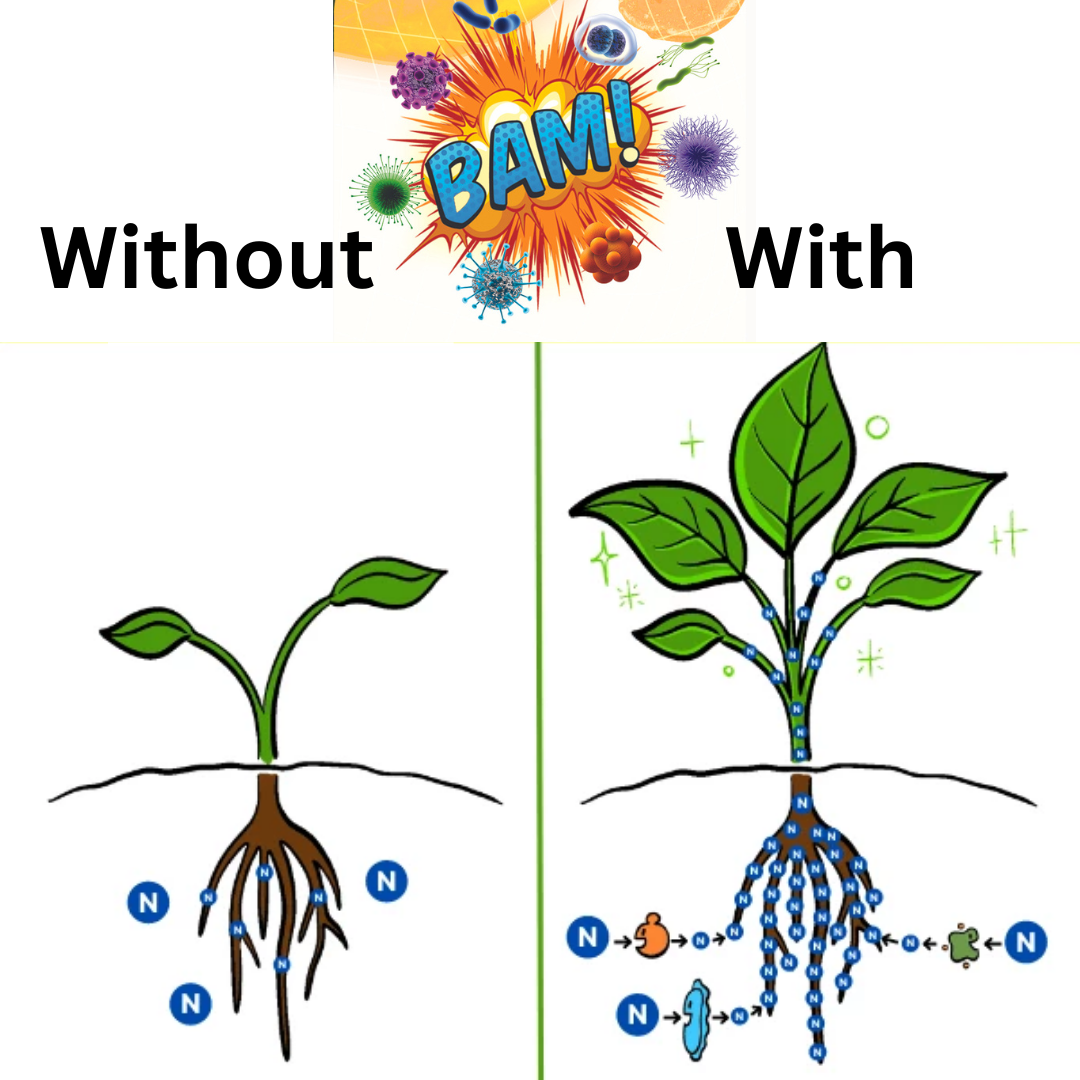
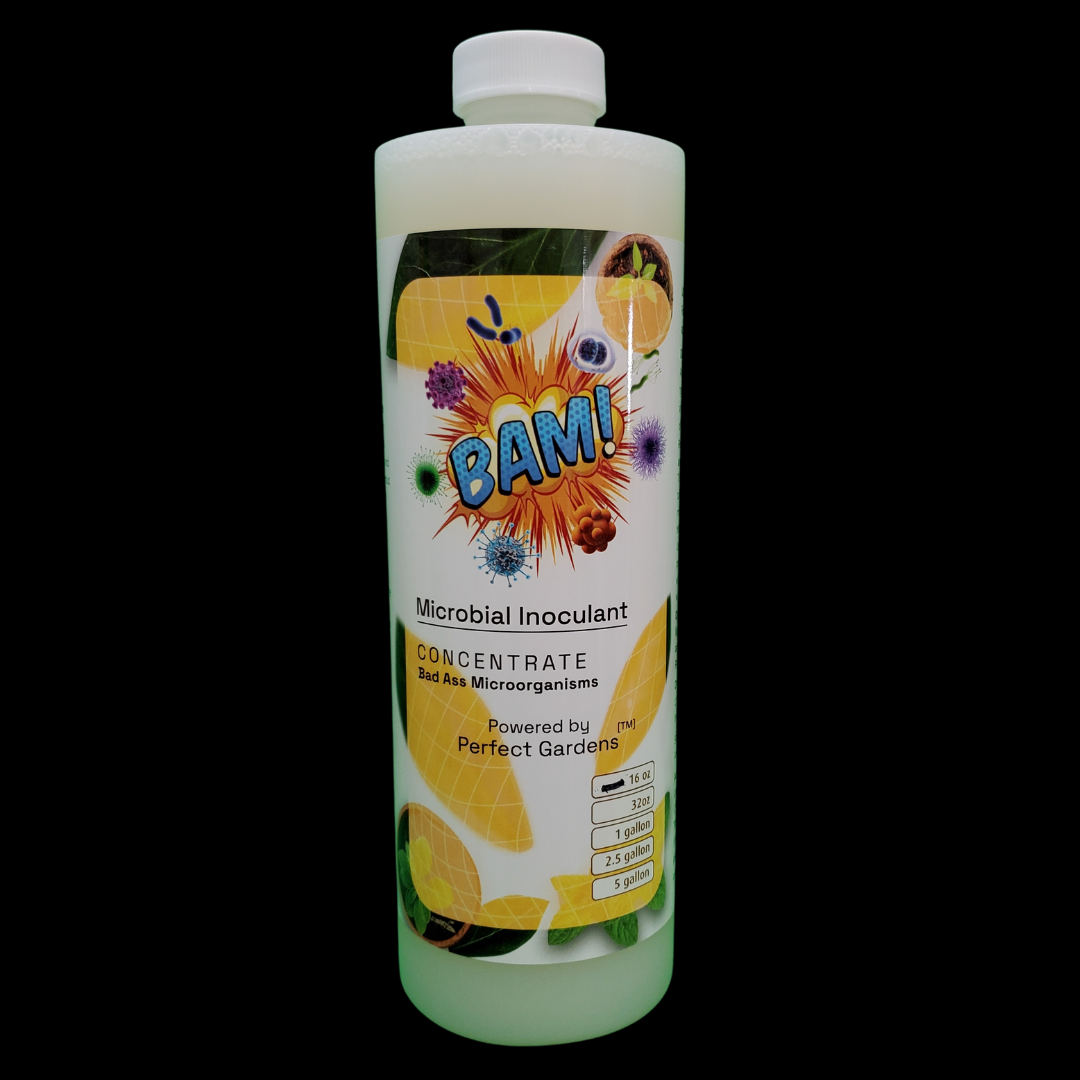
This is where the combination of minerals and microbes becomes a game-changer. By using a product like BAM! (Beneficial Anaerobic Microbes), you introduce a diverse community of microorganisms that thrive in the root zone. These microbes create a symbiotic relationship with the plant roots, extending the root's reach and helping them access deep-seated water pockets that would otherwise be out of reach.
When you combine Drops of Balance minerals with BAM!, you create a nutrient-dense environment that supports soil health and thriving microbes. This microbial activity also helps keep the soil temperature slightly lower, protecting the delicate root hairs from heat damage.
The "Dog Days" Survival Checklist
To ensure your garden stays green through the end of July and into August, follow this scientific approach to summer maintenance:
1. Water Deeply, Not Frequently
Shallow watering encourages roots to stay near the soil surface, where they are easily cooked by the sun. Aim for deep, thorough soakings early in the morning (between 5:00 AM and 8:00 AM). This allows the water to penetrate deep into the soil profile before evaporation rates climb. Always treat your water with Drops of Balance to ensure you aren't introducing salinity stress or toxins.
2. Mulch Like Your Garden Depends On It
A 3-inch layer of organic mulch (straw, wood chips, or shredded leaves) can reduce soil temperature by up to 10-15 degrees Fahrenheit. It also prevents the "crusting" of the soil surface, which can lead to water runoff rather than absorption.
3. Avoid High-Nitrogen Fertilizers
July is the wrong time for heavy nitrogen feeding. Nitrogen encourages rapid, "soft" green growth. This new growth is extremely sensitive to heat and requires massive amounts of water to maintain. Instead, focus on mineral amendments that strengthen existing structures. Pushing your plants too hard with chemical fertilizers during a heatwave is one of the most common mistakes gardeners make.
4. Use Foliar Feeding as a "Coolant"
On particularly hot days, a foliar spray of water treated with Drops of Balance (at a dilution of 2ml per gallon) can provide immediate mineral relief to the leaves. This bypasses the roots: which may be struggling with soil temperature: and delivers trace minerals directly to the cellular "machinery" of the leaves.
Preparing for the Harvest
The goal of surviving the Dog Days isn't just to keep the plants alive; it's to ensure a high-quality harvest in late summer and autumn. When plants are mineral-deficient during heat stress, the fruit they produce is often lackluster in flavor and low in nutritional value. By maintaining mineral balance now, you are ensuring that your tomatoes, peppers, and squash have the brix levels (sugar content) and nutrient density you expect from organic gardening.
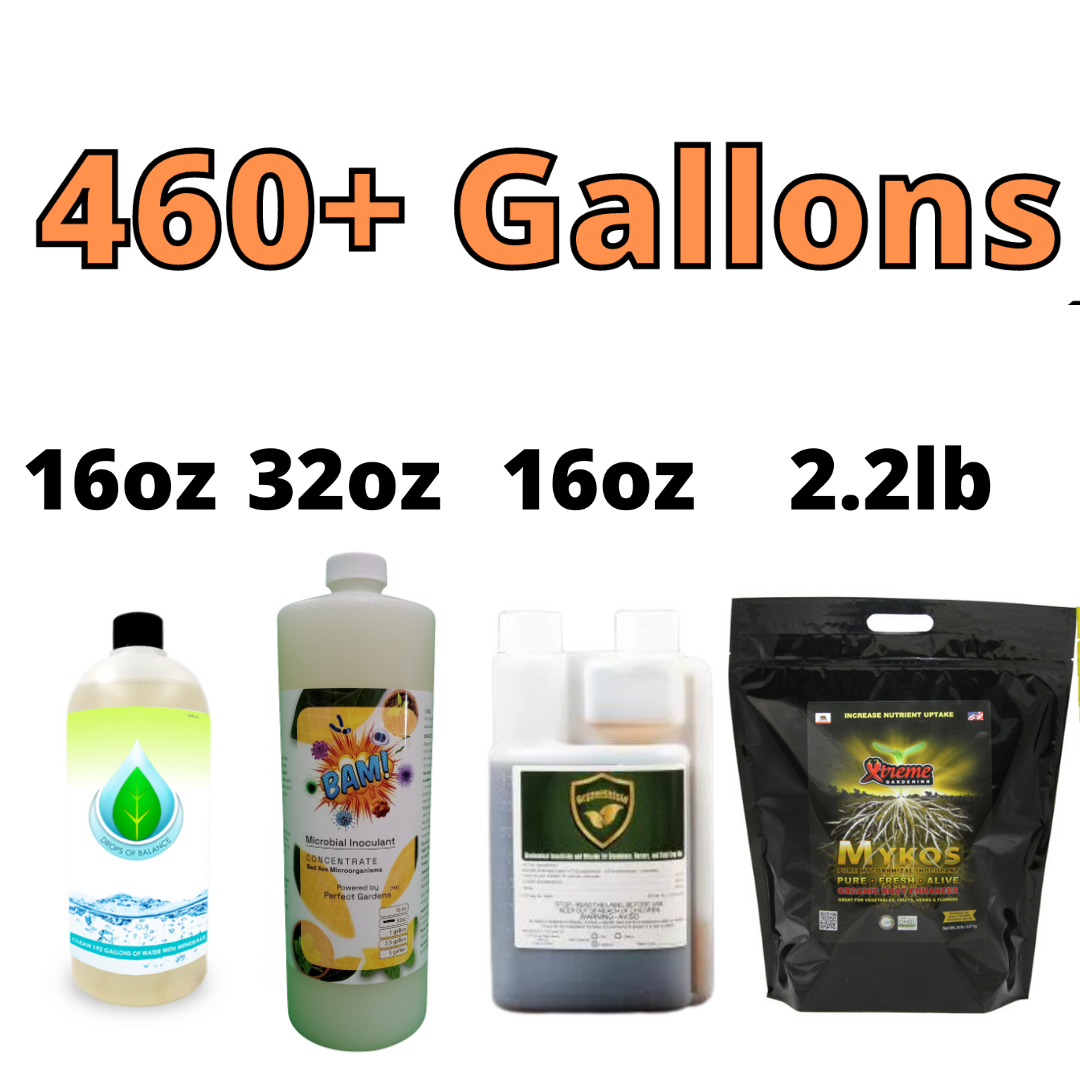
If you are looking for a complete system to manage these challenges, the 460 gallon Water and Soil Treatment Solutions Bundle provides everything needed to treat your water, inoculate your soil, and provide the enzymes necessary for nutrient cycling.
Final Thoughts
The Dog Days of summer are a test of resilience: for both the gardener and the garden. By shifting your focus from "more water" to "better water" and "mineral-rich soil," you can protect your plants from the worst of the July heat. Remember, a plant that is supported by a full spectrum of trace minerals and a healthy microbial community is a plant that can withstand the extremes of our changing climate.
Don't let the heat stop your progress. Treat your water, protect your soil, and watch your garden thrive even when the rain stops. For more tips on optimizing your garden, explore our latest news and guides.