
Are You Making These Common Trace Mineral Mistakes in Your Organic Garden?
In the pursuit of a thriving organic garden, many enthusiasts focus heavily on the "Big Three": Nitrogen, Phosphorus, and Potassium (N-P-K). While these macronutrients are essential for structural growth and energy transfer, they represent only a fraction of a plant's nutritional requirements. The true vitality of a garden: its resilience against pests, its nutrient density, and its flavor profile: is dictated by the presence and bioavailability of trace minerals.
Trace minerals, or micronutrients, are elements required by plants in minute quantities, yet they act as the catalytic sparks for nearly every biochemical reaction within the plant's system. Unfortunately, even the most well-intentioned organic gardeners frequently fall into traps that lead to mineral deficiencies or "lock-out," where minerals are present in the soil but inaccessible to the roots.
Understanding these common mistakes is the first step toward moving from a garden that simply survives to one that truly flourishes.
Mistake #1: The N-P-K Tunnel Vision
The most prevalent mistake is assuming that organic fertilizers labeled with high N-P-K ratios provide a "complete" diet. In nature, plants evolved in mineral-rich soils containing over 70 different trace elements. Modern agricultural practices, and even some organic gardening methods, have depleted these secondary and tertiary minerals.
Elements like Boron, Manganese, Zinc, Copper, and Molybdenum are crucial for enzyme function. For instance, Zinc is a structural component of ribosomes and is essential for the synthesis of auxins (growth hormones). Without these "trace" amounts, plants may exhibit stunted growth, poor fruit set, or increased susceptibility to disease, regardless of how much nitrogen is applied. If you find your fertilizer for tomatoes isn’t working as expected, the missing link is likely a lack of trace mineral diversity.
Mistake #2: Ignoring the pH Paradox
A common frustration for gardeners is seeing symptoms of deficiency despite having "good" soil. This is often due to soil pH. Scientific research indicates that soil pH is the primary governor of nutrient availability. Most trace minerals are most soluble: and therefore most available to plants: in slightly acidic to neutral soil (pH 6.0 to 7.5).
When soil pH rises above 7.5 (alkaline conditions), minerals like Iron, Manganese, and Boron chemically bond with other elements, becoming insoluble salts. In this state, the plant's roots cannot "grab" the mineral. Conversely, in highly acidic soil, elements like Manganese can become toxic. Gardeners often make the mistake of adding more fertilizer to a yellowing plant when the real solution is adjusting the pH or utilizing a delivery method that bypasses soil lock-up, such as foliar feeding or using sulfated mineral solutions.

Mistake #3: Relying Solely on Compost for Mineral Density
Compost is the backbone of organic gardening, providing essential organic matter and microbial life. However, a common misconception is that compost is a complete source of minerals. Compost is only as mineral-rich as the materials used to create it. If you are composting kitchen scraps and yard waste from a geographically depleted area, your compost will likely reflect those same deficiencies.
While it is excellent for soil structure, relying solely on compost to restore trace elements can be a slow and sometimes ineffective process. To achieve true nutrient-dense harvests, the soil often requires direct supplementation with concentrated mineral sources. Furthermore, if you are making common mistakes with your fall compost, you may actually be leaching away the very minerals you hope to preserve.
The Science of Absorption: Why "Sulfated" Trace Minerals are Superior
Not all mineral supplements are created equal. In the world of plant physiology, the form of the mineral is just as important as the mineral itself. Most store-bought mineral powders are "oxides" or "carbonates." These forms are often rocks ground into dust; they are relatively stable and require years of microbial activity and specific soil acids to break down into a form a plant can use.
This is where sulfated trace minerals change the game. Sulfated minerals (minerals bonded to a sulfate group, $SO_4$) are highly soluble in water. In this ionic state, the minerals carry an electrical charge that allows them to move freely through the cell membranes of plant roots and leaves.
The Role of the Sulfate Ion
The sulfate ion does more than just act as a carrier. Sulfur is a secondary macronutrient essential for the production of amino acids like cysteine and methionine, which are the building blocks of proteins. By using sulfated minerals, you are providing a "two-for-one" benefit:
- Immediate Bioavailability: The minerals are already dissolved and ready for uptake.
- Sulfur Enrichment: Providing the raw materials for protein synthesis and enzyme production.
Mistake #4: Watering with Untreated Tap Water
Perhaps the most overlooked "mistake" is the water used to deliver nutrients. Most municipal tap water contains chlorine, chloramines, and fluoride. While these chemicals make water safe for human consumption by killing bacteria, they are detrimental to an organic garden.
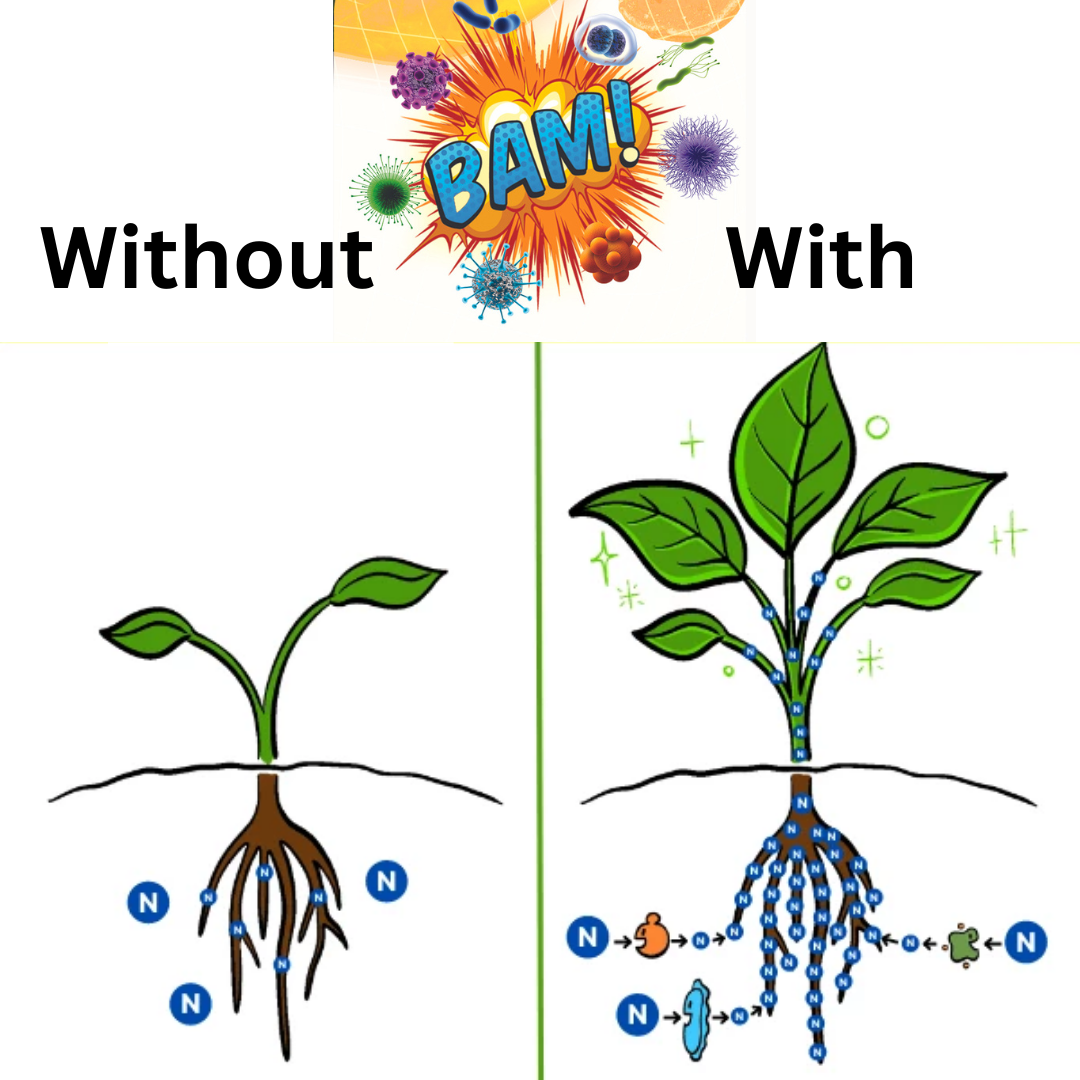
Chlorine is a powerful disinfectant that can kill the beneficial microbes in your soil. These microbes: specifically mycorrhizal fungi and nitrogen-fixing bacteria: are the very organisms responsible for helping plants access minerals. Furthermore, fluoride can accumulate in plant tissues, leading to leaf necrosis and inhibited photosynthesis.
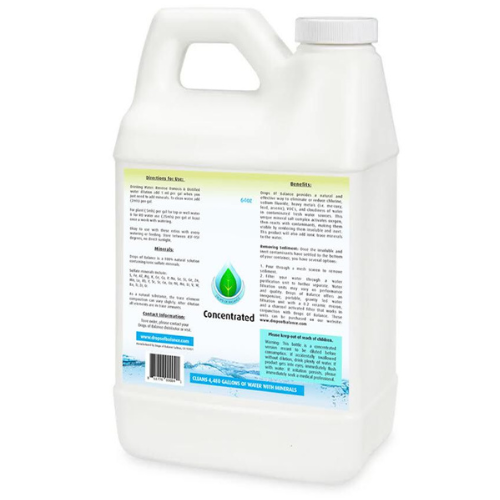
Using a solution like Drops of Balance helps solve this by reacting with these contaminants. The minerals in the solution cause toxins to precipitate out of the water, while simultaneously enriching the water with a broad spectrum of sulfated trace minerals.
Mistake #5: Neglecting the "Off-Season"
Soil health is not a seasonal hobby; it is a year-round biological process. Many gardeners stop caring for their soil once the harvest is over. This is a mistake. The microorganisms in the soil remain active as long as the ground isn't frozen, and they require minerals to process organic matter during the winter months.
Applying trace minerals in the late fall or early winter: a strategy known as "mineralizing for the frost": ensures that your soil biology has the tools it needs to prepare the ground for spring. This off-season secret allows the minerals to integrate into the soil's cation exchange complex, preventing the spring "hunger" often seen in newly planted seedlings.
How to Properly Supplement Trace Minerals
To avoid these common pitfalls, follow a scientific approach to mineral supplementation:
- Conduct a Comprehensive Soil Test: Don't just look at N-P-K. Ask for a report that includes micronutrients and Cation Exchange Capacity (CEC).
- Prioritize Solubility: Choose mineral sources that are water-soluble. Sulfated liquid concentrates provide the most rapid response for correcting deficiencies.
- Use Foliar Feeding for Rapid Correction: If your soil pH is high, soil-applied minerals may get locked up. Spraying a diluted mineral solution directly onto the leaves allows the plant to absorb nutrients through the stomata, bypassing soil chemistry issues entirely.
- Treat Your Water: Ensure your delivery system is free of antimicrobial chemicals. Treating your irrigation water with a mineral-based purifier ensures you aren't fighting against your own soil biology.
Conclusion
Organic gardening is a complex dance of chemistry and biology. By moving beyond the basics of N-P-K and addressing the critical need for bioavailable trace minerals, you can unlock the full genetic potential of your plants. Avoid the trap of "inert" mineral dusts and tap water contaminants. Instead, focus on the scientific advantage of ionic, sulfated minerals to ensure your garden remains a healthy, productive ecosystem.
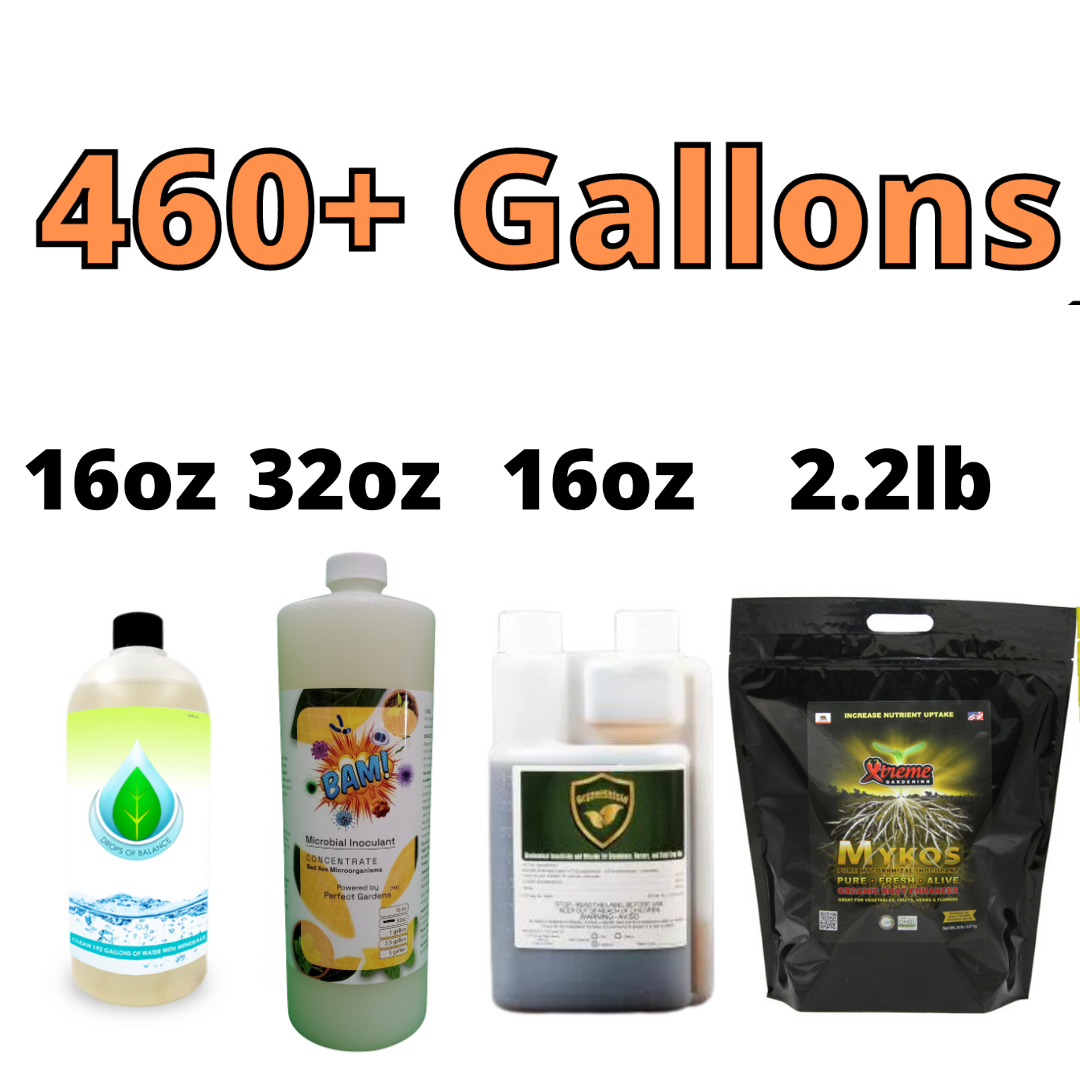
For those looking to streamline this process, our Water and Soil Treatment Solutions Bundle provides a comprehensive toolkit to address both water purity and mineral density in one step.