
Looking for the Best Water Treatment for Plants? 10 Things You Should Know About the PFAS-to-Soil Link
For many home gardeners and commercial growers, the quality of water is often judged by its clarity. If it looks clear and doesn’t smell of heavy chlorine, it is generally assumed to be safe for irrigation. However, recent environmental science paints a much more complex and concerning picture. The emergence of "forever chemicals," specifically Per- and Polyfluoroalkyl Substances (PFAS), has shifted the conversation from simple filtration to comprehensive molecular water treatment.
When searching for the best water treatment for plants, it is no longer enough to simply remove sediment. You must consider the chemical interaction between your water source, your soil's microbial health, and the eventual nutrient density of your harvest. Understanding the PFAS-to-soil link is the first step in protecting your garden's long-term viability.
1. PFAS Are "Forever Chemicals" for a Reason
PFAS are a group of synthetic chemicals used in industrial applications and consumer products since the 1940s. Their defining characteristic is the carbon-fluorine bond, one of the strongest in organic chemistry. This bond is notoriously difficult to break, meaning these chemicals do not biodegrade. When you water your garden with PFAS-contaminated tap water, these substances do not simply "wash away." They accumulate in the soil profile, creating a legacy of contamination that can persist for decades. This persistence directly impacts soil health, as the chemical load increases with every watering cycle.
2. The Bioaccumulation Pathway in Edible Crops
One of the most significant findings in recent agricultural research is the ease with which plants uptake PFAS from the soil. Unlike some heavy metals that may remain sequestered in the root zone, certain PFAS compounds are highly mobile. They move through the plant’s vascular system (the xylem) and accumulate in the leaves, fruits, and seeds. If you are growing leafy greens like spinach or kale, or root vegetables like carrots, the concentration of these chemicals in the edible portions can be significantly higher than in the surrounding soil.
3. Disruption of the Rhizosphere Microbiota
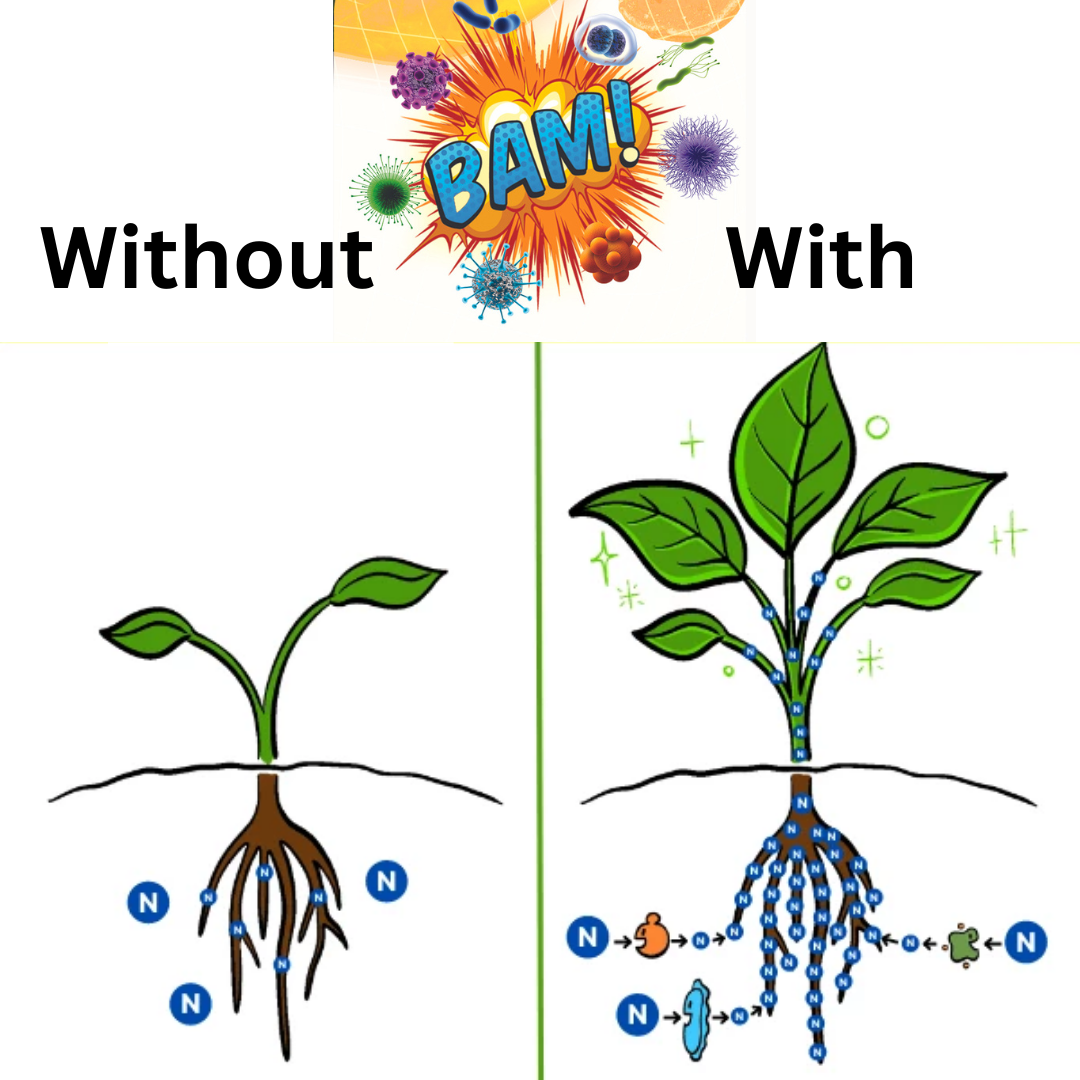
Healthy soil is a living organism, powered by a complex network of bacteria, fungi, and protozoa. This "rhizosphere" is responsible for nutrient cycling and protecting plants from pathogens. High concentrations of synthetic contaminants like PFAS can act as stressors to these microorganisms. When microbial populations are suppressed, plants lose their ability to efficiently uptake minerals, leading to stunted growth and increased susceptibility to disease. To maintain a thriving garden, your water treatment strategy must support, rather than hinder, these tiny allies. You can learn more about how Drops of Balance fixes common water problems for plants and soil to keep your microbes flourishing.
4. PFAS and Soil Sorption Dynamics
The behavior of PFAS in soil is dictated by "sorption": the process by which chemicals stick to soil particles. Organic matter, such as compost and humus, can actually bind some PFAS compounds, keeping them from reaching the groundwater but also concentrating them in the root zone. This creates a paradox for organic gardeners: the more organic matter you add to improve soil structure, the more "sites" you provide for PFAS to attach to. This highlights why treating the water before it hits the soil is the only way to break the cycle of accumulation.
5. Why Standard Filtration Often Falls Short
Many gardeners rely on simple carbon blocks or pitcher filters, assuming they are providing the best water treatment for plants. While activated carbon can reduce some long-chain PFAS, it is often less effective against short-chain variants which are increasingly common in municipal supplies. Furthermore, carbon filters do not address the mineral imbalance often found in tap water. Reverse Osmosis (RO) is highly effective at removing PFAS, but it creates "dead water": water that is stripped of all essential trace minerals, which can lead to nutrient leaching from the soil.

6. The Necessity of Mineralized Water
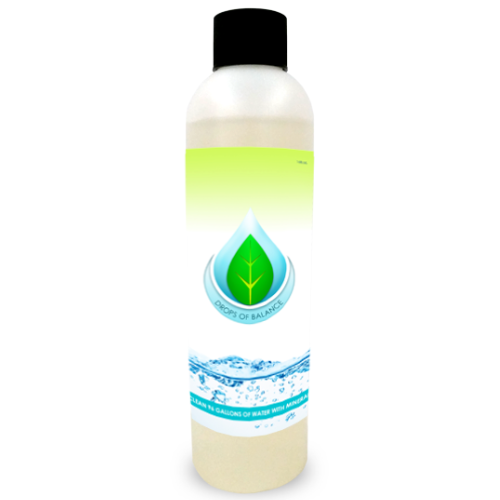
Rainwater is often cited as the gold standard for plants because it is naturally soft and oxygenated. However, in our modern environment, even rainwater has been found to contain detectable levels of PFAS. The goal of any modern grower should be to mimic the purity of rainwater while ensuring the presence of essential ions. Using a solution like Drops of Balance allows you to neutralize contaminants while introducing a broad spectrum of ionic minerals. This creates a "nutrient-dense" hydration source that supports the journey from seed to salad.
7. Interaction with Beneficial Fungi
Mycorrhizal fungi are essential for phosphorus uptake and drought resistance. Research suggests that chemical pollutants in irrigation water can inhibit the colonization of plant roots by these beneficial fungi. By using a water treatment that neutralizes aggressive chemicals (like chlorine, fluoride, and PFAS analogs), you create an environment where fungal networks can thrive. This is particularly important for off-season soil health, as these networks must survive the winter months to support the next spring's growth.
8. The Impact of pH and Ionic Strength
PFAS solubility and movement in soil are influenced by the pH and the overall ionic strength of the water. Tap water is often treated to be slightly alkaline to prevent pipe corrosion, but this alkalinity can affect how contaminants interact with soil minerals. A mineral-based treatment system helps buffer the water, ensuring that the ionic strength is optimal for plant uptake rather than for chemical leaching. This scientific approach to water chemistry is what separates professional-grade results from hobbyist efforts.
9. Trace Mineral Depletion and "Locked" Soil
When soil is consistently exposed to chemical contaminants, the natural minerals already present in the soil can become "locked" or biologically unavailable. This is often due to the formation of insoluble complexes between synthetic chemicals and soil nutrients. By introducing sulfated trace minerals through your water treatment, you can help "unlock" these nutrients. Drops of Balance utilizes a unique sulfate-based mineral technology that helps break down these complexes, making nutrients available to the plant once again.
10. Future-Proofing Your Garden Against Regulatory Changes
As the EPA and global health organizations continue to update their guidelines on PFAS: such as the upcoming 2026 EPA Fluoride and PFAS reviews: the standards for what constitutes "safe" water will only become stricter. By adopting a high-level water treatment protocol now, you are future-proofing your soil. You are ensuring that your land remains productive and your food remains safe, regardless of how the municipal water quality fluctuates.
Choosing the Right Solution for Your Plants
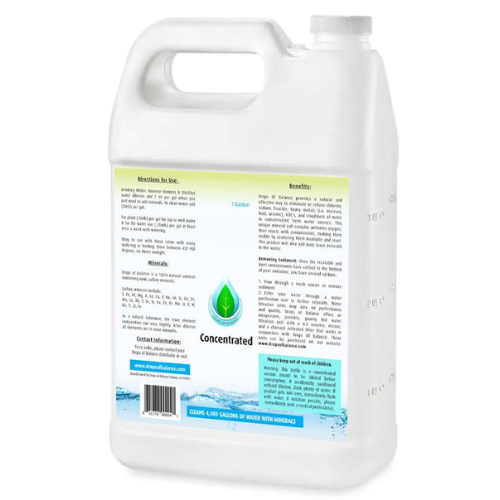
When looking for the best water treatment for plants, you need a system that addresses the molecular reality of today’s water. Drops of Balance is not just a filter; it is a mineral-based purifier that works through the process of flocculation and ionic exchange.
Whether you are managing a small indoor herb garden or a large-scale organic farm, the Drops of Balance collection provides the tools necessary to remove harmful toxins like PFAS, chlorine, and heavy metals, while simultaneously enriching the water with the minerals your soil craves.
Implementation Guide:
- Analyze Your Source: Understand that even "clean" tap water contains invisible chemical loads.
- Neutralize: Use a mineral concentrate to precipitate out contaminants.
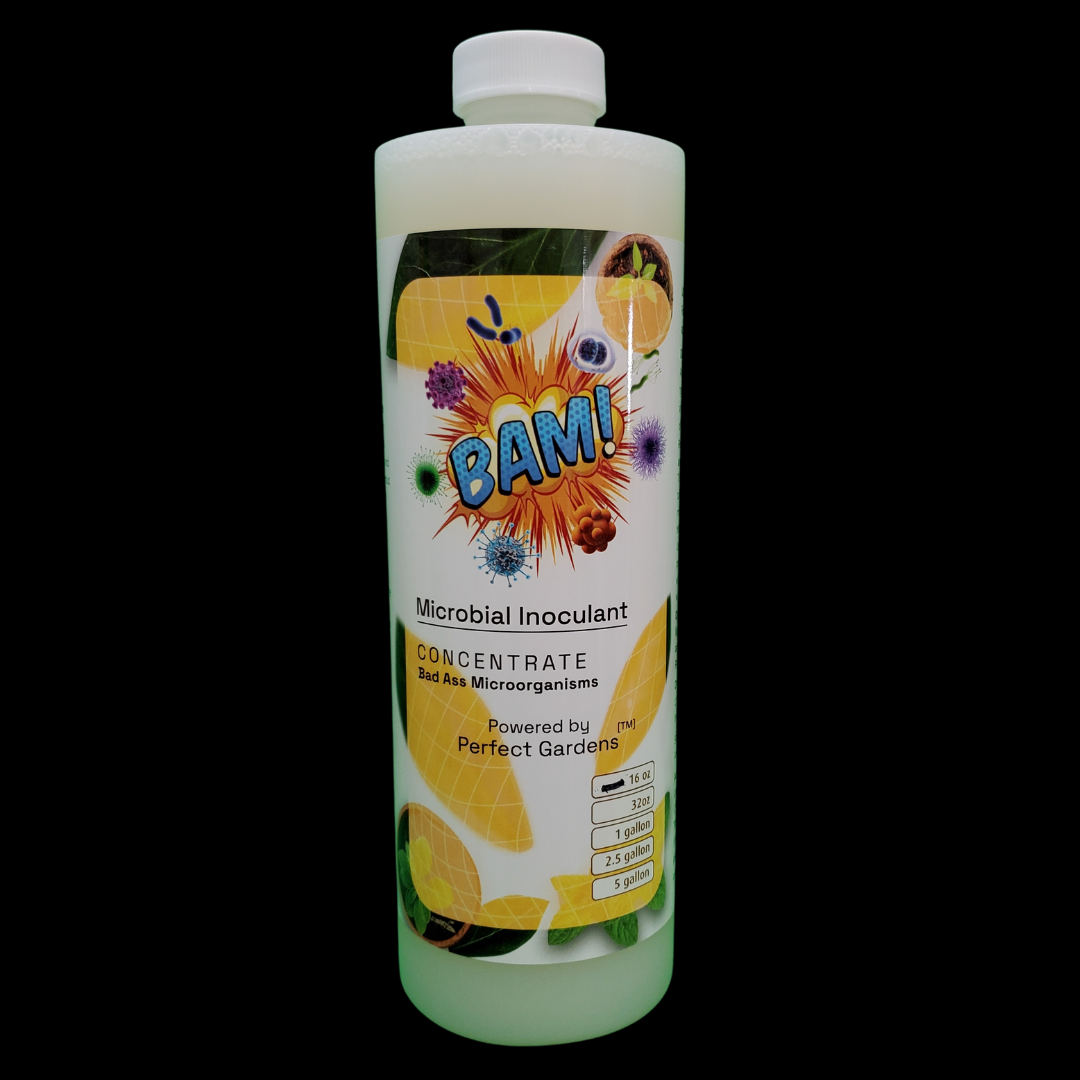
- Inoculate: Support the mineralized water with beneficial microbes like those found in BAM! Microbial Inoculant.
- Monitor: Watch for improved leaf turgor, deeper green coloring, and increased fruit yield.
The link between PFAS and soil health is a scientific reality that we can no longer ignore. By taking control of your water quality, you are taking control of your health, your garden’s vitality, and the safety of the food on your table. Don't let "forever chemicals" leave a permanent mark on your soil. Choose a treatment path that restores the natural balance of your environment.