Soil Health Matters: How Hidden Water Contaminants Are Quietly Killing Your Garden Microbes
In the pursuit of successful organic gardening, the primary focus is often placed on the visible components: the quality of the seeds, the texture of the compost, and the frequency of the harvest. However, the most critical factor in a plant's vitality remains largely invisible to the naked eye. Soil health is fundamentally dictated by the complex ecosystem of the soil microbiome: a dense network of bacteria, fungi, protozoa, and nematodes that drive nutrient cycling and plant immunity.
Despite the careful selection of organic fertilizers and heirloom seeds, many gardeners unknowingly sabotage this ecosystem with every watering. Municipal water supplies are treated to ensure human safety by eliminating pathogens, but the very chemicals used for this purpose are inherently biocidal. When introduced to a garden, these contaminants disrupt the delicate biological balance required for sustainable plant growth. Understanding the intersection of water chemistry and soil biology is essential for anyone looking to restore and maintain true soil health.
The Microbiome: The Engine of Soil Health
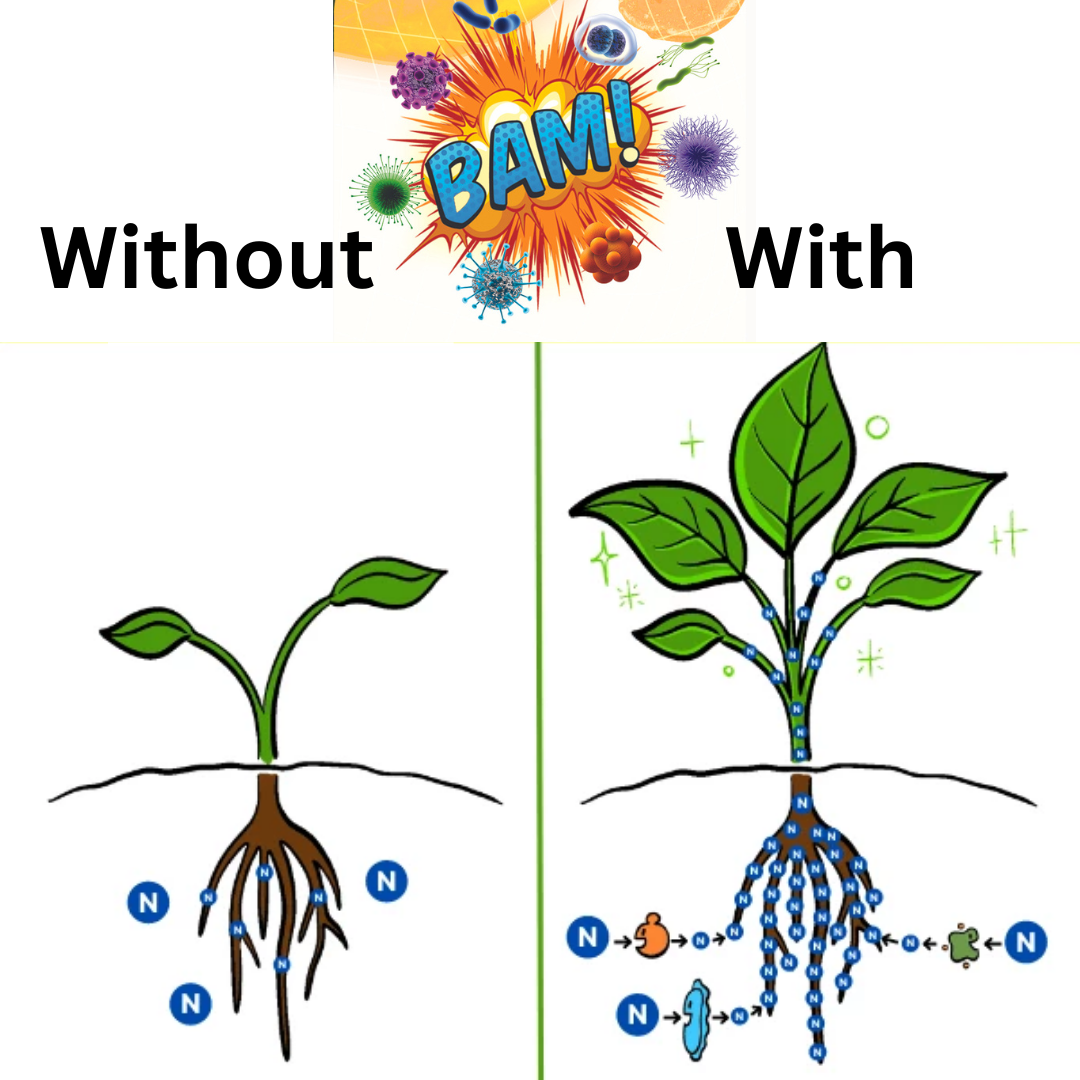
To understand why water contaminants are detrimental, one must first recognize the role of microorganisms in organic gardening. The rhizosphere: the area of soil immediately surrounding plant roots: is a hub of biological activity. Beneficial bacteria like Rhizobia fix nitrogen, while mycorrhizal fungi extend the reach of root systems to scavenge for phosphorus and water.
These microbes do more than just feed the plants; they build soil structure. Through the production of glomalin and other extracellular polymeric substances (EPS), microbes bind soil particles together, creating aggregates that improve aeration and water retention. When this microbial life is suppressed, the soil loses its structure, leading to compaction, poor drainage, and reduced nutrient availability.
The Biocidal Impact of Chlorine and Chloramines
The most prevalent contaminants in municipal water are chlorine and chloramines. These are added as disinfectants to kill bacteria and viruses in the water infrastructure. While effective for public health, they do not discriminate between harmful pathogens and beneficial soil microbes.
Oxidative Stress and Microbial Mortality
Chlorine is a powerful oxidizing agent. When chlorinated water is applied to the soil, it reacts with the cellular membranes of microbes, causing oxidative damage and leading to rapid cell death. Studies have shown that consistent application of chlorinated water can significantly reduce the populations of beneficial fungi and bacteria in the top few inches of soil, precisely where the most intense biological activity occurs.
The Persistence of Chloramines
While chlorine can eventually dissipate as a gas (volatilization), many modern water treatment plants have switched to chloramines: a combination of chlorine and ammonia. Chloramines are much more stable and do not dissipate easily. This persistence means they remain in the soil longer, exerting a continuous suppressive effect on the soil microbiome. For the organic gardener, this creates a sterile environment where plants become dependent on synthetic inputs because the natural nutrient-gathering biological systems have been neutralized.
Fluoride: The Overlooked Enzyme Inhibitor
Fluoride is another common additive in municipal water that poses a significant risk to soil health. Unlike chlorine, fluoride does not evaporate and is not easily filtered by standard carbon blocks. Over time, fluoride can accumulate in the soil to toxic levels.
From a scientific perspective, fluoride acts as an enzyme inhibitor. It interferes with the metabolic pathways of both soil microbes and the plants themselves. High concentrations of fluoride in the soil can inhibit photosynthesis and disrupt the uptake of essential minerals like calcium and magnesium. By stunting the metabolic activity of soil microbes, fluoride effectively slows down the decomposition of organic matter, meaning your compost and organic fertilizers cannot be efficiently converted into plant-available nutrients.
PFAS and Heavy Metals: Long-Term Soil Degradation
Recent environmental research has highlighted the presence of per- and polyfluoroalkyl substances (PFAS), often called "forever chemicals," in water supplies across the country. These compounds, along with heavy metals like lead, arsenic, and mercury, are often present in trace amounts in tap water.
These contaminants are particularly insidious because they bioaccumulate. They don't just affect the microbes; they move through the soil-to-plant pathway, eventually reaching the food consumed by humans. Heavy metals can be toxic to the microbial enzymes responsible for nitrogen mineralization, further depleting the soil's natural fertility. For a deeper dive into the relationship between minerals and soil preparation, see our guide on mineral magic for soil health.
How Drops of Balance Restores the Biological Equilibrium
To combat the degradation of soil health caused by tap water, gardeners need a solution that goes beyond simple filtration. Drops of Balance offers a sophisticated mineral-based approach to water treatment that specifically addresses the needs of the soil microbiome.
Ionic Mineral Flocculation
Drops of Balance utilizes a concentrated solution of sulfate-based ionic trace minerals. When added to water, these minerals initiate a process known as flocculation. The minerals bind to contaminants: including heavy metals, fluoride, and other toxins: causing them to become insoluble and drop out of the solution. This process effectively neutralizes the harmful properties of the contaminants, preventing them from interacting with soil life.
Neutralizing Chlorine
The unique mineral profile of Drops of Balance also helps in neutralizing the oxidative potential of chlorine. By stabilizing the water chemistry, it ensures that the water reaching your garden is no longer a biocide but a source of hydration that supports, rather than destroys, organic gardening efforts. You can learn more about this specific mechanism in our article on how Drops of Balance fixes common water problems for plants.
Re-Inoculating the Soil After Treatment
Once the inhibitory contaminants are removed from the water, the next step in restoring soil health is re-introducing the biological components that may have been lost. This is where microbial inoculants, such as BAM (Beneficial Aerobic Microbes), become essential.
Treating your water with Drops of Balance creates a safe environment for these microbes to thrive. Without removing the chlorine and fluoride first, adding microbial inoculants is often a wasted effort, as the chemicals in the water will kill the new microbes shortly after application. When used together, purified mineral water and microbial inoculants work synergistically to jumpstart the nutrient cycle.

The Result: Nutrient-Dense Harvests
The ultimate goal of focusing on soil health is the production of nutrient-dense food. Plants grown in a healthy, microbially active soil have access to a wider array of trace minerals and organic compounds that are missing in chemically managed soils. This biological richness is what creates the superior flavor and nutritional profile of true organic produce.
When the soil microbiome is protected from water contaminants, plants are more resilient to pests, diseases, and environmental stress. This systemic health begins at the molecular level with the water used in the garden. For more information on how this translates to your kitchen table, read about creating nutrient-dense harvests from seed to salad.
Implementing a Comprehensive Soil Strategy
Restoring soil health is a multi-faceted process. It involves:
- Decontamination: Removing the biocidal chemicals from your irrigation source.
- Mineralization: Providing the trace elements necessary for microbial and plant metabolism.
- Inoculation: Adding beneficial biology to the soil to restart the nutrient cycle.
For those managing larger garden spaces or seeking a complete overhaul of their watering system, integrated packages can provide the necessary tools to address both the chemical and biological aspects of soil vitality.

In conclusion, the health of your garden is inextricably linked to the quality of your water. By recognizing the hidden threat that municipal contaminants pose to soil microbes, gardeners can take proactive steps to protect their soil's living foundation. Using a scientifically-backed mineral treatment like Drops of Balance ensures that your organic gardening efforts are built on a base of clean, life-supporting water, leading to a more robust and productive ecosystem.