

Winterizing Your Indoor Garden: Why Trace Minerals Matter in the Off-Season
When the temperature drops and the days get shorter, many indoor gardeners assume their plants are simply taking a long winter nap. While it is true that growth slows down, your indoor garden isn’t exactly "off." In fact, winter is one of the most stressful times for houseplants and indoor edible gardens. Between the dry, recycled air from central heating and the dramatic decrease in natural sunlight, your plants are working overtime just to maintain their cellular integrity.
This is where the concept of "winterizing" moves from the outdoor flower beds into your living room. At Drops of Balance, we focus heavily on the science of water and soil health, and the data is clear: the "off-season" is the most critical time to focus on remineralization. By providing your plants with essential trace minerals now, you aren't just helping them survive the cold: you are building the foundation for a massive explosion of growth come spring.
The Myth of the "Dormant" Indoor Garden
In a natural outdoor environment, the soil undergoes a cycle of rest. However, in an indoor setting, the environment is controlled but often inconsistent. We keep our homes warm, which prevents total dormancy, but we cannot replicate the intensity of the summer sun. This creates a metabolic "limbo" for the plant.
During this period, the plant’s internal chemistry is focused on maintenance rather than expansion. This maintenance requires a specific suite of micronutrients. While most gardeners focus on the "Big Three" (Nitrogen, Phosphorus, and Potassium), it is the trace minerals: like iron, manganese, zinc, and copper: that act as the catalysts for enzymatic reactions. Without these, the plant’s immune system weakens, making it a prime target for winter pests like spider mites or fungus gnats.

A 16oz bottle of Drops of Balance sits on a rustic wooden plant stand next to a thriving Fiddle Leaf Fig and a classic metal watering can, showing the integration of mineral treatment into a daily plant care routine.
Why Trace Minerals Are Your Plant’s Winter Armor
To understand why trace minerals are essential in the winter, we have to look at the soil on a molecular level.
1. Strengthening Cell Walls
Plants like succulents, ferns, and tropicals face a humidity crisis in the winter. Forced air heating sucks moisture out of the leaves. Minerals such as silicon and calcium are structural components. When a plant has access to bioavailable minerals, it can build stronger cell walls that are better at retaining moisture and resisting the physical stress of dry air.
2. Supporting Cation Exchange Capacity (CEC)
CEC is a measure of how much "storage" your soil has for nutrients. In the winter, rainy or snowy weather often leads to changes in municipal water chemistry (which you can read more about in our Winter Water Test article). These changes can lead to nutrient leaching even in indoor pots. By adding a concentrated mineral solution like Drops of Balance, you are effectively "recharging" the soil’s battery, ensuring that when the plant does need a snack, the nutrients are physically held in the soil and ready for uptake.
3. Maintaining Photosynthetic Efficiency
Even with grow lights, winter light is suboptimal. Magnesium is the central atom of the chlorophyll molecule, and Iron is essential for chlorophyll synthesis. If these trace minerals are lacking, your plants will start to look "pale" or chlorotic. Providing these elements ensures that every bit of limited winter light is captured and converted into energy as efficiently as possible.
The Problem with Tap Water in the Winter
Most indoor gardeners reach for the tap to water their plants. However, winter tap water is often more heavily treated with chlorine and chloramines to combat the pathogens that thrive in cold, stagnant pipes. These chemicals are toxic to the delicate microbial life living in your potting soil.
If you are trying to build healthy soil, you cannot ignore the water quality. As we discuss in our guide on how Drops of Balance fixes common water problems, our mineral sulfate solution works by drawing out these harmful toxins and neutralizing them, while simultaneously depositing over 70+ trace minerals back into the water. It’s a two-fold win: you remove the "bad" and add the "good" in one simple step.
Supporting the "Soil Food Web" During the Off-Season
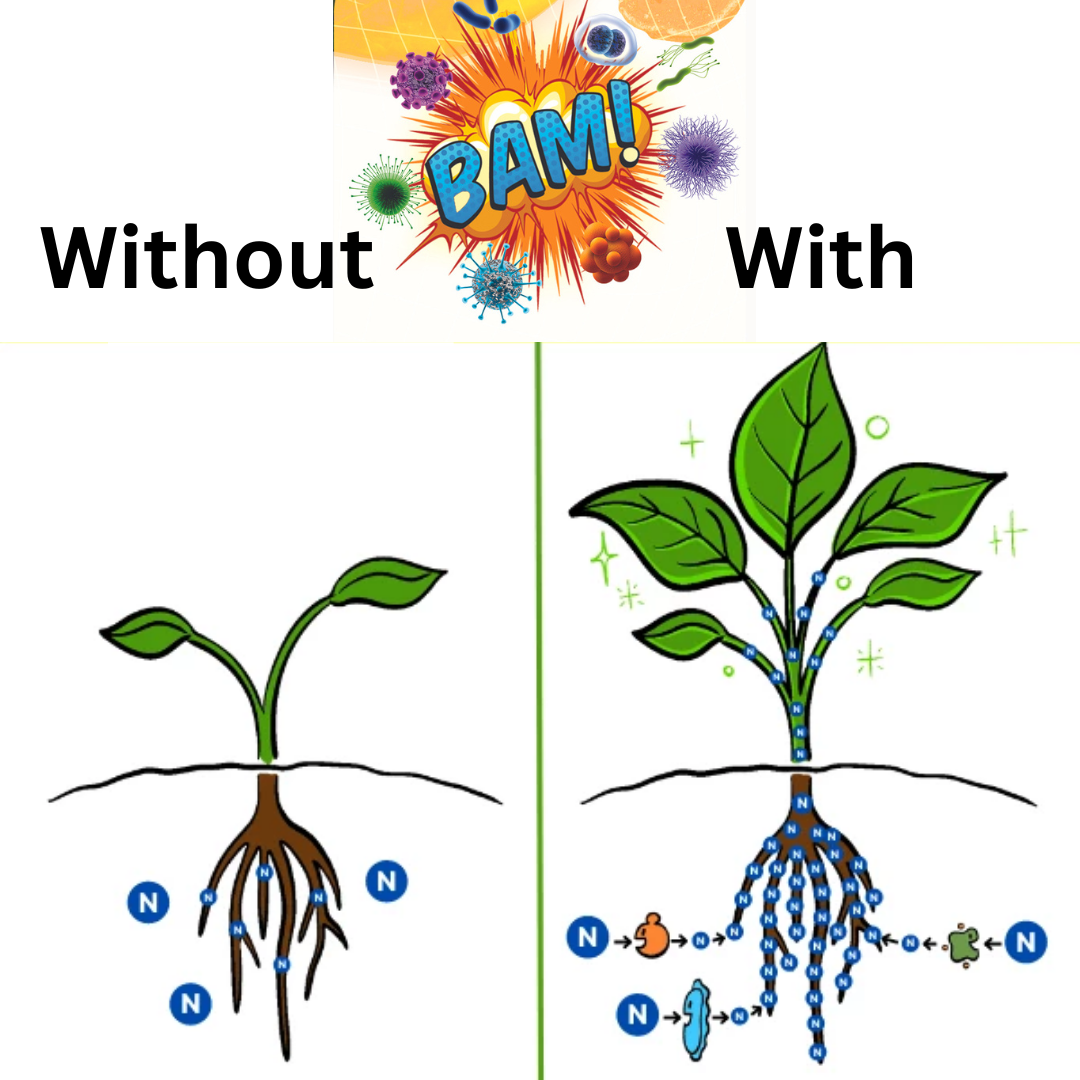
Soil health never truly sleeps. Even in the dead of winter, the beneficial bacteria and fungi in your soil (the microbiome) are working to break down organic matter. These microbes require trace minerals to form biofilms. These biofilms allow microbes to anchor themselves to soil particles and roots, creating a symbiotic relationship that protects the plant from root rot: a common winter killer caused by overwatering in cold conditions.
To truly maximize your winter garden’s potential, consider a holistic approach. Combining our mineral solution with a microbial inoculant like BAM! (Beneficial Adaptive Microbes) creates an environment where the soil is alive and resilient. The minerals provide the raw materials, and the microbes provide the labor to deliver those materials to the plant. This is the "off-season secret" that professional growers use to ensure their spring harvests are nutrient-dense and robust. You can dive deeper into this concept in our post on why soil health never sleeps.
Practical Winterizing Tips for Your Indoor Garden
Ready to give your plants the winter upgrade they deserve? Here is a simple scientific protocol to follow:
- Reduce Frequency, Increase Quality: Your plants need less water in the winter because evaporation is slower. However, the water they do get should be the highest quality. Always treat your tap water with Drops of Balance (roughly 0.5ml per gallon for plants) to neutralize chemicals and add minerals.
- Monitor Soil Mineralization: If you see a white, crusty buildup on your terra cotta pots, that’s often a sign of synthetic salt buildup from low-quality fertilizers. Flush your soil with mineralized water to help break down these salts and restore a natural balance.
- Foliar Feeding: Since root uptake slows down in the cold, consider "foliar feeding." Mix 2ml of Drops of Balance per gallon of water and lightly mist your plant's leaves. This allows for direct absorption of minerals through the stomata, bypassing the slow winter roots.
- Keep it Local: If you’re growing winter greens or herbs indoors, remember that the minerals you put into the soil end up in your salad. Mineralized water creates nutrient-dense harvests that are better for your own health too.

A close-up shot of a 32oz bottle of Drops of Balance positioned on a kitchen counter next to a tray of vibrant microgreens and a glass of water, highlighting the product's dual use for both plant nutrition and human hydration.
The Spring Payoff
The work you do in December, January, and February determines the success of your garden in April. By maintaining a high mineral profile during the off-season, you prevent the "nutrient gap" that often occurs when plants suddenly wake up and realize they don't have the resources to grow.
Plants grown in mineral-rich soil develop more complex root systems and higher brix levels (sugar content), which naturally wards off pests. When you winterize with trace minerals, you aren't just hovering over your plants; you are empowering them to thrive.
If you're unsure about your current water quality, check out our FAQ page or look into our safety testing data to see how we handle everything from fluoride to heavy metals. Your indoor garden is an investment in your home's air quality and your own well-being: give it the minerals it needs to stay strong all winter long.
For more tips on maintaining your soil through the changing seasons, explore our full collection of educational articles. Whether you are a master gardener or just trying to keep one succulent alive, the science remains the same: healthy water plus essential minerals equals a thriving life.