

Sustainable Soil: Preparing Your Garden Beds for the Spring During the Holidays
While most people are busy checking off their holiday shopping lists or decorating the tree, the most successful gardeners know that the real magic happens underground during the "off-season." It might seem like the garden is sleeping, but beneath that frost, a complex biological process is either thriving or struggling.
At Drops of Balance, we believe that sustainable gardening isn't just a springtime activity: it’s a year-round commitment to soil health. Preparing your garden beds during the winter months, specifically around the holidays, gives your soil the time it needs to process organic matter, stabilize its mineral content, and build a robust microbial network.
In this guide, we’re going to dive into the science of winter soil prep and show you how to set the stage for a legendary spring harvest.
Why Winter Soil Prep Matters
Most gardeners wait until the first warm weekend in April to start thinking about their soil. By then, they’re already behind. Soil is a living, breathing ecosystem. When you add amendments in the spring, the soil microbes have to work overtime to break those materials down into a bioavailable form that your plants can actually use.
By starting in December, you’re utilizing the "slow-burn" of winter. The freeze-thaw cycles help break up compacted earth, and the extra moisture helps minerals migrate deeper into the root zone. As we discuss in our post on why soil health never sleeps, the work you do now determines the nutrient density of your vegetables six months from now.

A 16oz bottle of Drops of Balance mineral solution sits on a rustic wooden bench inside a frost-covered greenhouse, surrounded by terracotta pots and gardening gloves.
Step 1: The Great Holiday Clean-Up
Before you can build the soil up, you have to clear the deck. This doesn't mean you need to strip the garden bare, but you do need to be strategic.
- Remove Diseased Plants: If your tomatoes had blight or your squash had powdery mildew, do not leave those vines to rot in the bed. Many pathogens can survive the winter in plant debris. Pull them out, roots and all, and dispose of them (don't compost diseased plants!).
- Manage Stubborn Weeds: Weeds like clover and chickweed are winter-hardy. If you leave them now, they will have a massive head start in March. A quick weeding session between holiday parties can save you hours of back-breaking work later.
- Leave the Healthy Stems: For non-diseased plants, consider cutting them at the soil line rather than pulling them. Leaving the roots in the ground provides "food" for beneficial fungi and helps maintain soil structure.
Step 2: Mineralization – The Foundation of Life
One of the biggest mistakes in organic gardening is focusing solely on N-P-K (Nitrogen, Phosphorus, Potassium). While these are important, they are only a fraction of what a plant needs to thrive. Truly "sustainable" soil requires a full spectrum of trace minerals.
When soil is depleted of minerals, the plants grown in it are weaker, more susceptible to pests, and: most importantly: less nutritious for you. This is where Drops of Balance comes in. Our mineral concentrate contains over 70 naturally occurring, sulfated trace minerals. Adding these to your soil during the winter allows the minerals to bond with the soil particles, ensuring they are ready for the roots the moment they emerge in spring.
For more on the science of this, check out Mineral Magic: Why Your Soil Needs Trace Minerals.
Step 3: Invigorating the Microbiome with BAM!
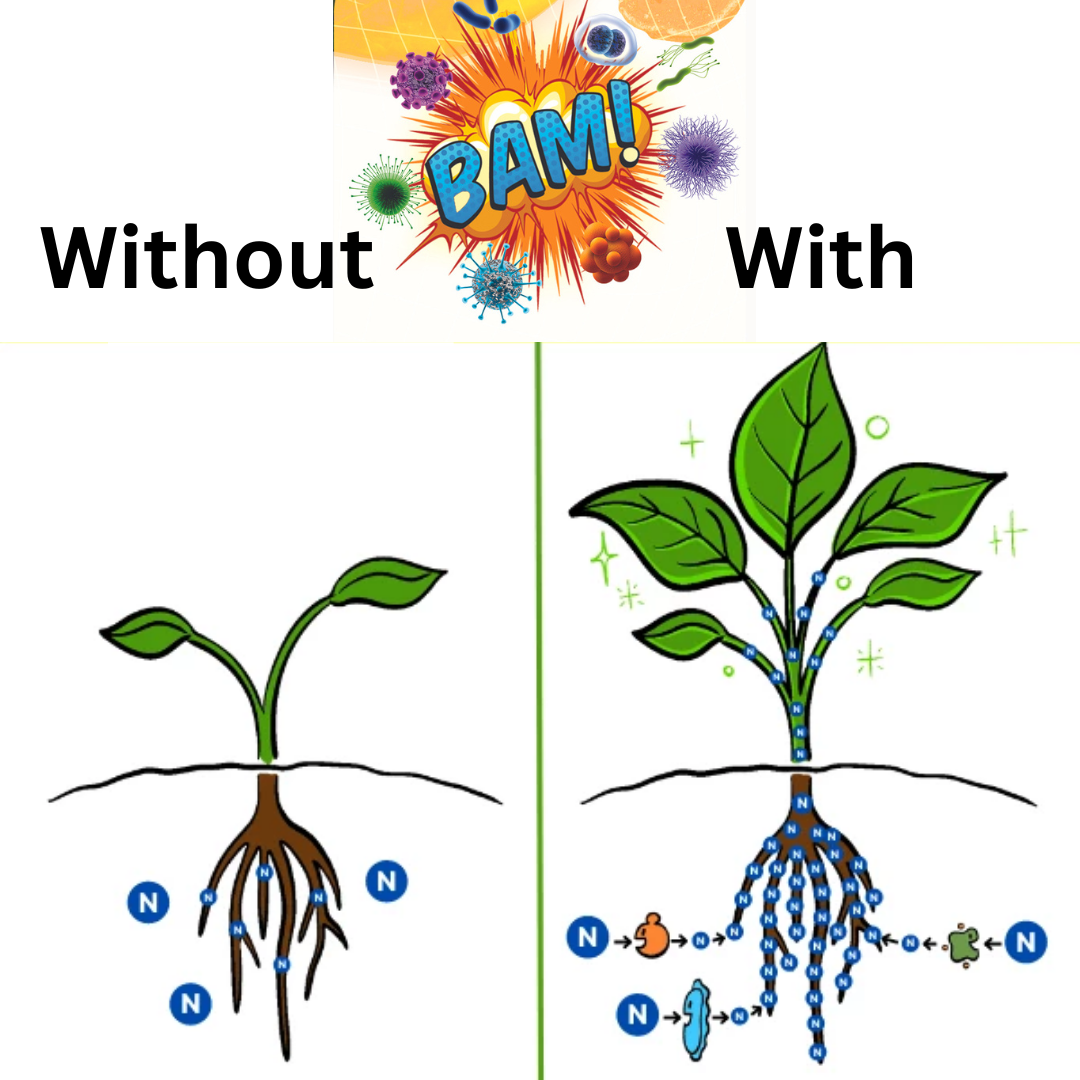
Soil is not just "dirt"; it is an active biological community. To have sustainable soil, you need beneficial bacteria and fungi to act as the "delivery drivers" for your minerals.
During the winter, microbial activity slows down, but it doesn't stop. By introducing a microbial inoculant like BAM! (Beneficial Adaptive Microbes), you are ensuring that your soil has a healthy population of "good guys" to outcompete pathogens. These microbes help break down the organic matter you're adding and improve the soil's ability to hold onto water.
Using BAM! in combination with our mineral solution creates a synergistic effect. The minerals provide the raw materials, and the microbes provide the labor. This is the secret to moving from seed to salad with nutrient-dense results.

A gardener in a warm winter coat holds a 32oz bottle of BAM! Microbial Inoculant while standing next to a raised garden bed that has been neatly covered in a thick layer of straw mulch.
Step 4: The "Lasagna" Method for New Beds
If you’re planning on expanding your garden for the new year, the holidays are the perfect time to start a "lasagna bed." This is a no-dig method that builds incredible soil depth over time.
- Layer Cardboard: Lay down plain, brown cardboard (remove the tape!) over the area where you want your new bed. This smothers existing grass and weeds.
- Add Nitrogen (Green): Put down a layer of kitchen scraps, fresh grass clippings, or aged manure.
- Add Carbon (Brown): Layer on fallen leaves, shredded paper, or straw.
- Mineralize: Sprinkling a diluted solution of Drops of Balance between these layers helps accelerate the decomposition process.
- Repeat: Keep layering until the bed is 8–12 inches high. By spring, the worms will have done the tilling for you, leaving behind rich, dark "black gold."
If you’ve already started composting this fall, make sure you aren't making these 7 common compost mistakes.
Step 5: Winter Mulching – The Soil's Winter Coat
Think of mulch as a thermal blanket for your soil. Without it, the winter sun, wind, and heavy rains can cause erosion and "crust" the top layer of your soil, making it difficult for air and water to penetrate.
Apply 2-3 inches of organic mulch (wood chips, straw, or chopped leaves) over your garden beds. This protects the microbial life living near the surface and prevents heavy winter rains from leaching out the minerals you just added.
Pro Tip: If you live in an area with particularly harsh winters, remember that the water you use to "tuck in" your plants matters. Even in the cold, tap water can contain high levels of chlorine and fluoride which can harm your soil's delicate biology. You can learn more about winter water contaminants here.
Putting It All Together: Your Winter Bundle
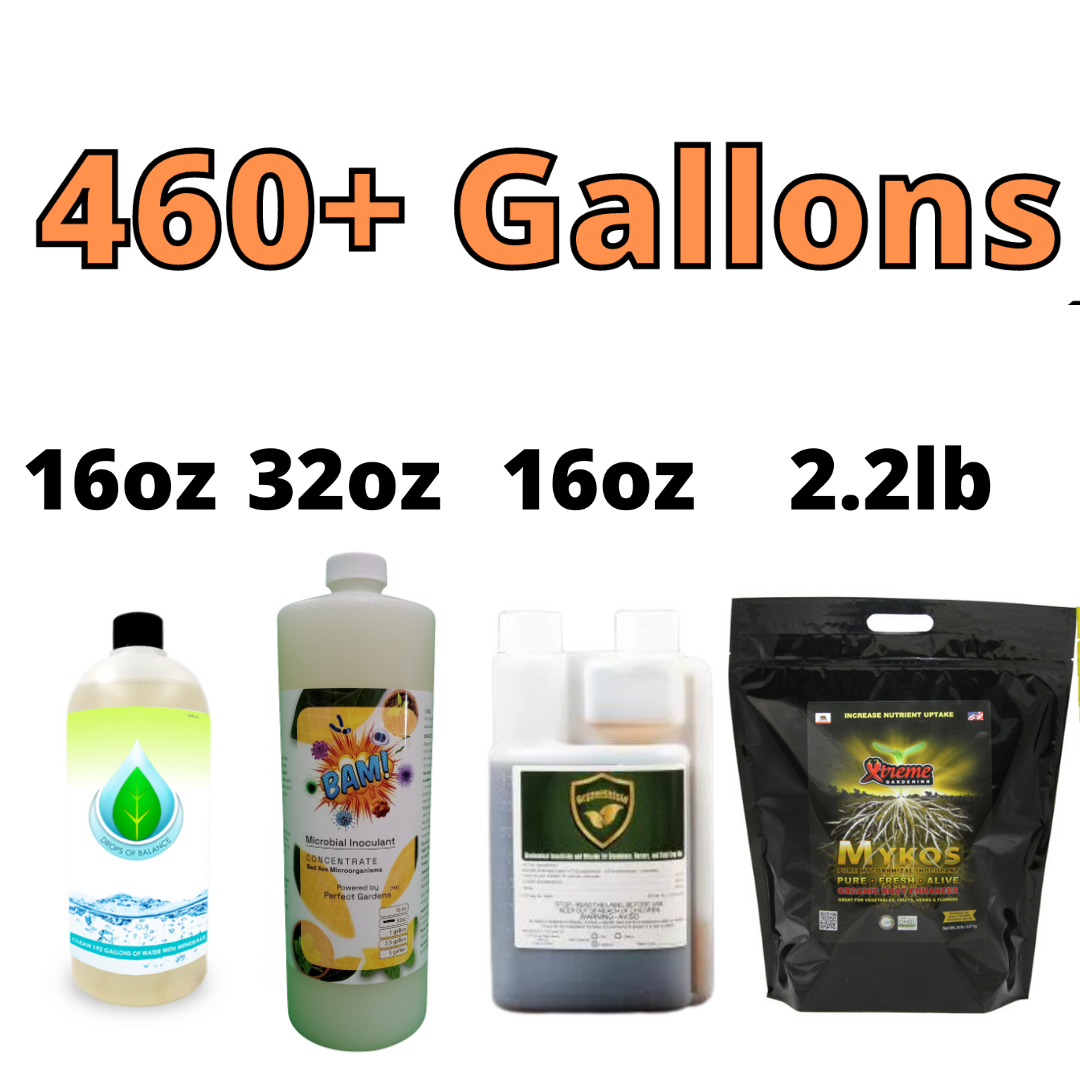
At Drops of Balance, we want to make sustainable gardening as easy as possible. That’s why we’ve curated bundles that include everything your soil needs to survive the winter and thrive in the spring.
Our 460-Gallon Water and Soil Treatment Solutions Bundle is the ultimate holiday gift for your garden (or yourself!). It includes the 16oz mineral concentrate, 32oz BAM! microbial inoculant, and Mykos mycorrhizal inoculant. This combination ensures that every drop of water you put on your garden is free of toxins and loaded with the building blocks of life.
Conclusion: A Gift to Your Future Self
Preparing your garden during the holidays is a form of mindfulness. It’s an investment in the health of your family and the sustainability of your local ecosystem. When you take the time to mineralize, inoculate, and protect your soil now, you aren't just growing plants: you’re cultivating a legacy of health.
So, this holiday season, take a break from the chaos. Head out to the garden, breathe in the crisp air, and give your soil the nutrients it deserves. Your spring self will thank you.
If you have questions about how to use our products in your specific climate, feel free to reach out to us or check out our FAQ page. Happy gardening!